2 months ago
110
2 months ago
110
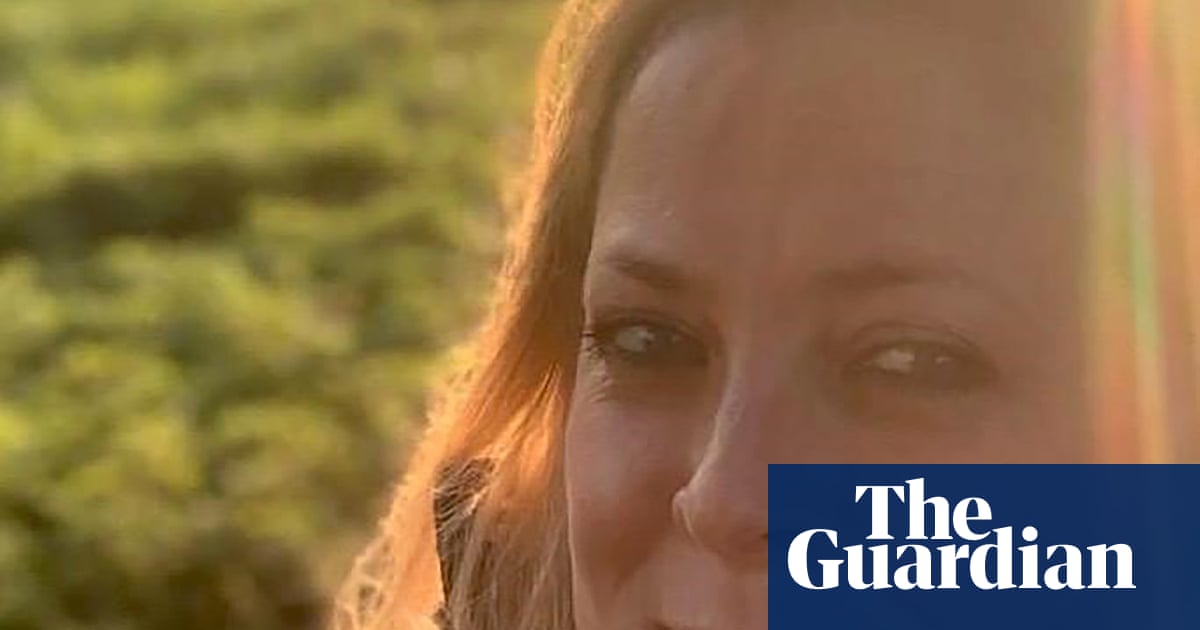
Yordanos Bezabih, an Ethiopian women’s rights activist, had faced online threats for years: of acid attacks, gang-rape and death. She tried her best to ignore the abuse as she continued her advocacy work. But in 2025, the threats became more menacing. In April, an anonymous Telegram group with 6,000 subscribers organised an effort to track down her location.
They shared deepfakes of her – nude images and videos. The following month, a stranger started to film her in the streets, calling her by her social media handle.
In summer, thieves broke into her house and stole her laptop. Soon after, her Telegram account was hacked and her private photos and messages were circulated on social media. The perpetrators later circulated her address, she says, demanding she be found and “executed”.

In August, she left Ethiopia on a fellowship for human rights defenders. She has not returned since; it is too dangerous. “I have been forced to remain outside the country in order to protect my safety and continue my work,” she says.
Bezabih is one of a small but growing number of feminists and women’s rights defenders who have left Ethiopia over the past two years, as online violence has become all-pervasive and uncontrolled.
Three years after Facebook was accused of allowing hate speech to spread unchecked in Ethiopia, amid genocidal violence against ethnic Tigrayans during the civil war – claims rejected by Meta – social media inciters in Ethiopia have found a new target: women online.
What is technology-facilitated gender based violence (TFGBV)?
ShowAs the world becomes increasingly digital, the spaces and methods for perpetrating gender-based violence are expanding and proliferating at an alarming rate.
Technology-facilitated gender-based violence (TFGBV) is, as defined by the UN, any “act committed using information communication technologies or other digital tools, which results in physical, sexual, psychological, social, political or economic harm, or other infringements of rights and freedoms”. The consequences are severe, affecting many aspects of women and girls’ lives and often forcing them to self-censor or leave the online world altogether. The term reflects how technology can result in harm, both in the digital, and real, world.
Millions of women and girls are affected by TFGBV every year with research suggesting that up to 60% of women around the world have experienced this type of gendered abuse.
TFGBV takes many forms. For example, doxing is the act of sharing someone’s personal information online and can lead to stalking and physical violence in real life. Deepfake abuse, where manipulated images or videos are published online, can damage someone’s reputation and have a lasting impact on their life. Sexual harassment, intimidation and sextortion are also common forms of TFGBV.
It infiltrates homes, workplaces, schools and universities. It has no limits and can occur anywhere. It can start online and escalate into the offline world, or the other way around, culminating in the most extreme forms of violence, including femicide.
Certain groups are more at threat – young women and girls, who are more likely to use technology and are therefore more exposed; women with disabilities, women of colour and LGBTIQ+ people; and women in political and public life such as parliamentarians, activists and journalists.
There are huge gaps in data, policy and the law when it comes to TFGBV, and several international organisations have been working with governments and the tech industry to combat the issue.
Maya Misikir, the sister of Lella Misikir, another activist who has fled the country, says: “If you self-describe as a feminist, then you become a target, as that word is associated nowadays with anti-Ethiopian values and traditions, against the core family unit.”
Feminists are “dehumanised. Their lives are unvalued”, says an Ethiopian women’s rights activist who asked not to be identified, fearing that she would become the target of online abuse. To a loose ecosystem of conservative influencers – and a growing manosphere – women who speak out about gender-based violence are “against Ethiopian identity, and hence they must be exterminated”, the activist says.
The Guardian spoke to Bezabih, and to Maya Misikir, as well as to human rights defenders in Ethiopia and abroad. Several of them asked to remain anonymous, fearing that calling attention to themselves would invite threats.
They described a world in which extreme online abuse has become rampant – and normalised. The war in Tigray, when mass rape, sexual slavery and sexual torture of women and children by Ethiopian and Eritrean soldiers took place, has shaped an online environment in which calling for feminists to be killed is unremarkable.
“Sexual violence was weaponised as a form of domination,” says the anonymous activist. “It’s created a sense of normalisation even in other regions of the country where the war hasn’t happened.”
Research by the Centre for Information Resilence (CIR) bears out the scale of online gendered abuse in Ethiopia. Its 2024 report, Silence, Shamed and Threatened, found that technology-facilitated gender-based violence (TFGBV) has become “normalised to the point of invisibility” and is a daily occurrence with severe offline impacts including psychological harm, physical assault and arrests. As part of a four-year project, CIR conducted in-depth interviews with 14 Ethiopian women who were active online and held public roles. They described how being humiliated, shamed and sexualised online made them feel silenced or forced them to withdraw from social media. No platform felt safe, the women told the CIR.
In another 2024 study, the CIR analysed gendered hate speech in four languages (Amharic, Afaan Oromo, Tigrinya and English) to gain insight into the nature of TFGBV in Ethiopia, where lack of data is one of the main barriers to addressing the problem. Its findings are designed to raise awareness of TFGBV, particularly within government institutions, which, activists say, are failing to protect women and girls from online assaults or to hold perpetrators accountable.
“I don’t think the government is much concerned about online harassment. It is barely a government agenda,” says Befekadu Hailu, an Ethiopian civil society leader and former director of Ethiopia’s Centre for the Advancement of Rights and Democracy.
“I have never come across any government action following any [tech-facilitated gender-based violence].”
Bezabih says the online platforms that enable the violence also do little about it. “Even though they claim to have all these community guidelines, tech platforms never respond to reports, claims or even appeals.”
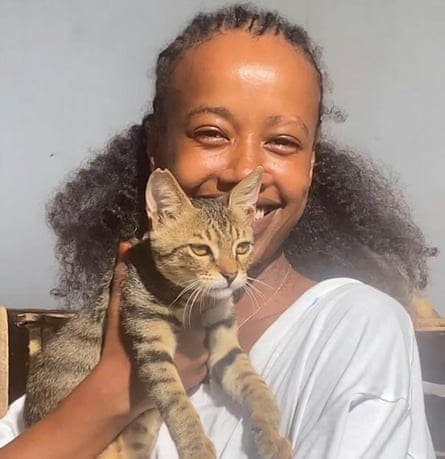
In 2023, Lella Misikir, along with a feminist collective called Setaset Power, started a campaign called My Whistle, My Voice, encouraging women to stand up against street harassment. As a part of this campaign, they urged their followers to carry red whistles, and blow on them if they were catcalled.
Maya Misikir says it was about “breaking that shame, the taboo on one hand for something that another person is doing to me, but also at the same time bringing in other people as witnesses and as people accountable to the safety of women”.
One TikTok video that they made caught on, with almost 400,000 views. Soon after, the online hate started. Commenters posted skulls. Some called Misikir and her co-creators “donkeys” or said they looked like men. On other videos, commenters called Misikir a lesbian, a feminist and a slang term for slave.
For a time, says Maya Misikir, her sister was unconcerned. As a part of Setaset, Lella had worked for years to raise awareness about sexual violence. “She’s really gotten skilled at navigating all the hateful responses.”
But then the tenor of the online harassment changed. A prominent TikTok influencer began to make videos about Lella, saying she was gay – and screenshotting photos indicating that she followed queer accounts. In Ethiopia, where homosexuality is illegal, members of the LGBTQ+ community have been attacked in public after being outed; some have been beaten and killed. Being called homosexual comes with the threat of a prison sentence.
“It really just quickly escalated,” says Maya Misikir. “There were a lot of men making videos about her. And YouTube, like, just went crazy.”
The online mob began to search for Lella’s home address. For a time, she stopped leaving the house. When she went out, people recognised her in cafes, or when she was stopped in traffic.
She debated waiting for the furore to die down. Then, in November 2024, she left the country. She has been abroad ever since and it is unclear if she will be able to return.
Maya Misikir says a wave of online campaigns targeting feminists began in 2023. These were followed by targeted harassment against individual activists, which pushed a number of people to leave the country. Not all of those individuals had a public profile, but the Ethiopian activist who wished to remain anonymous says she recalls at least three big campaigns against feminists in recent years.
Some became so threatening that their targets had to leave the country “immediately, in less than a week, less than two days”, she says.
The director of an organisation focused on Ethiopian youth says the violence has led to women being increasingly pushed out of public spaces.
“Instead of accountability for the perpetrators, women are frequently told to withdraw from online spaces, effectively silencing them and pushing them away,” she says.
But, she says, in the aftermath of a genocidal war society is failing to take the consequences of online abuse seriously. “People don’t think it is a problem. They consider it as a luxury thing. They don’t think people are actually getting assaulted, or socially traumatised, or psychosocially affected by the issue.”
The anonymous activist says she left Ethiopia for a time to study, although there were no direct campaigns against her.
“I felt very burnt-out and wanted to leave the country for a while, having spent a lot of time online, with so much hate speech, so much violence, targeted violence, against you and people very close to you.”