3 months ago
67
3 months ago
67
Exhibition of the week
In Bloom: How Plants Changed Our World
Lovely flower paintings to herald the spring, but all is not what it seems in this survey of how science, trade and tulip crazes helped shape the modern world.
Ashmolean Museum, Oxford, from 19 March to 16 August
Also showing
Alexis Ralaivao
Paintings that hover provocatively between abstraction and fleshy erotica.
Pilar Corrias, London, until 23 May
Beneath the Great Wave
Hokusai and Hiroshige get the Turner and Constable treatment in this look at two print masters.
Whitworth Art Gallery, Manchester, from 14 March to 15 November
Seth Price
Cave paintings, Renaissance art and the digital revolution are among the themes of this video installation.
Sadie Coles HQ, London, from 17 March to 2 May
Swords of Lucknow
Last chance to see this exhibition of shimmering 18th and 19th-century blades from Lucknow’s court.
Wallace Collection, London, until 22 March
Image of the week
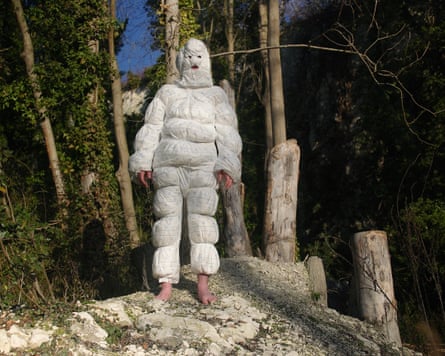
Performance artist zack mennell waded into British waterways to highlight sewage pollution and the way benefit claimants are labelled as a drain on society. “OK,” mennell thought, “I’m going to be the parasite.” But their taking on of pollution was more literal than they intended; they contracted Weil’s disease from rat urine in the water. Read the full article.
What we learned
World heritage sites in Iran have been damaged by US-Israeli bombing
The European Commission will cut funding for Venice Biennale if Russia is included
The Deutsche Börse photography prize ranges from real prison life to invented facts
A new show of the great British painter of animals George Stubbs’s art is far too small
The V&A’s redesigned Gilbert Galleries present a complicated legacy
David Hockney’s 90-metre vision of nature only looks great on your phone
Painter Harold ‘the Kangaroo’ Thornton had an extraordinary, forgotten life
Politics is everywhere at the Sydney Biennale – but with nuance, beauty and heart
Masterpiece of the week
A Bowl of Flowers by Marie Blancour, 1650s
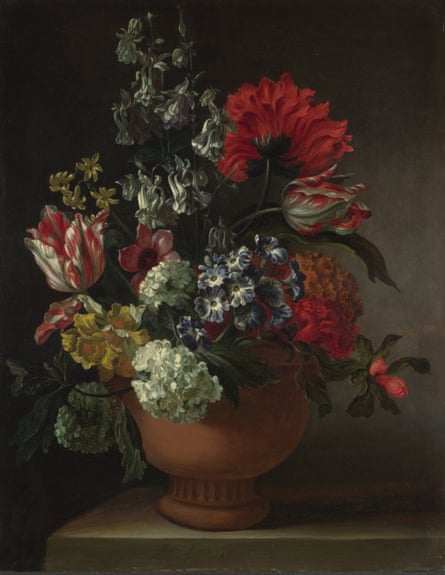
This painting is signed by Marie Blancour, a 17th-century French woman– and it is her only known work. She was obviously talented. Tulips, a daffodil, a poppy and other blooms curl and twist in flamboyant flowing sail-like sheets of colour, delivering intense hits of yellow, red and the tulips’ richly variegated white and pink. Nature itself seems to sign up to the baroque style here, with its spectacular curvaceous theatre of billowing form and bright colour that flourished throughout Europe and beyond in the 1600s and early 1700s. So on the small apparently modest scale of a flower arrangement, this artist is exploring big bold aesthetic ideas with a blazing paintbrush. Who was she? What happened to her other works? And why is this rare painting by an early modern female artist not currently on display at the National Gallery?
National Gallery, London
Sign up to the Art Weekly newsletter
If you don’t already receive our regular roundup of art and design news via email, please sign up here.
Get in touch
If you have any questions or comments about any of our newsletters please email [email protected]