3 hours ago
7
3 hours ago
7
The landscapes of southern England and Wales are slowly regaining their colour after this summer’s extreme heat.
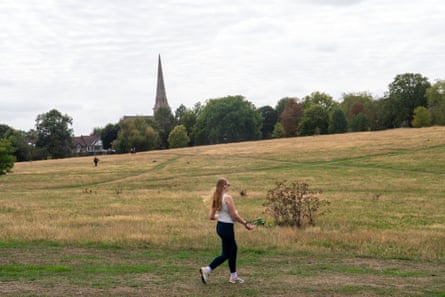
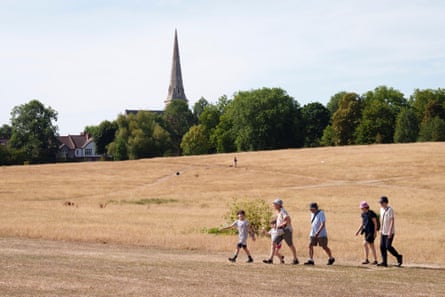
The UK’s hottest summer on record left the south of the country dried out and brown, making the impact of the drought particularly visual.
As autumn begins, large parts of the UK are still officially in drought. And even if autumn is wetter than normal, some could still be in drought in the spring, according to the Environment Agency.
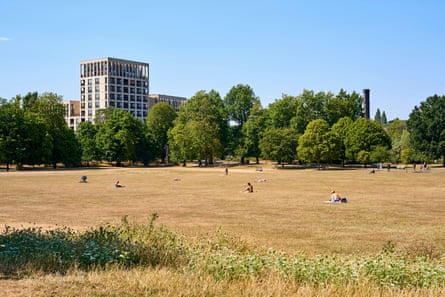
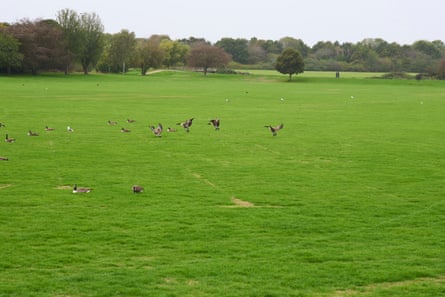
But some rain has returned, and with it the green, to the relief of many. Darren Share, the director of the royal parks, which manages Hyde Park and St James Park among others, recalls: “The grass was completely scorched off across all of our park network, it was quite shocking. The grass level had almost turned to dust.
“We’ve had heatwaves in the past but they’ve only been for short periods of time. The grass dies off, we get the rain again and then everything starts coming back quite quickly. This time it was just one [heatwave] after another.”
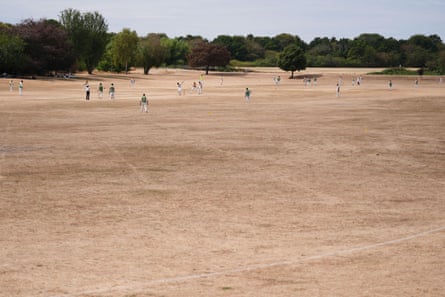
The extreme conditions not only changed the physical features of the parks, he said. “You could see that people were using the parks completely differently.”
Visitor numbers decreased significantly during the day and many sporting and volunteering activities were cancelled because of health and safety concerns.
The royal parks are not yet in full bloom again, but the difference between now and peak summer is stark. Share attributes the rapid regrowth to the resilience of grass. “I’m looking at the parks and seeing the grass come back to green. We’re very lucky that grass can tolerate that level of heat and will regenerate like we’re seeing now,” he said.
In Wales, which was hit by wildfires in mid-August, the death of grassy areas had a range of social and environmental effects. “I saw really thin cattle because they had no food for grazing,” said Carolyn Thomas, a climate activist and former Senedd member. “Farmers … had to go into their winter stock to keep their animals fed.
“Sheep and cows were hiding under the shade of trees barely moving. Some were lying down flat and I was thinking: ‘Are they dead?’”
The UK government has pledged £100m to “strengthen the country’s capacity to respond to extreme weather and wildfires”, but Thomas said she did not think this was the solution.
“If you have to evacuate your home because of a wildfire you can’t just think: ‘We need a bigger fire service and more helicopters that can drop water’,” she said. “We need prevention.”
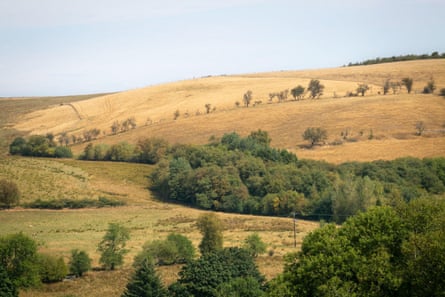
Like southern England, the Welsh countryside is slowly returning to normal, much to Thomas’s pleasure. “Now I’m walking and seeing green fields,” she said. “It’s amazing. But we still have that loss as well and it’s going to take a while to recover.”
Groundwater and reservoir levels remain low and the government has urged water companies to continue their efficiency measures until normal levels are reached.