3 months ago
192
3 months ago
192
The 1991 revenge thriller Cape Fear boasts many famous moments. A teddy bear rigged with fishing wire. A drowning man speaking in tongues. But the image I cannot shake is the back of a sailboat, piloted by a lawyer who is being hounded by Max Cady, a rapist he once sent to jail. The boat is called Moana. It makes sense – throughout Polynesia, moana means “ocean”. However, watching now, I can’t help but wonder if the Rock is going to appear and save the day with his magical pec tattoo.
Martin Scorsese’s classic was a remake of a 1962 film, which was based on a 1957 novel. Recycling IP can feel depressing, but Cape Fear always stirs the pot. The 60s film, starring Gregory Peck as a morally upright man tormented by a senselessly evil one, had a Book of Job mystery to it. Scorsese’s version introduced sympathy for the devil, and a jaundiced view of its protagonist: a lawyer who buries evidence that might exonerate his client, whom he believes should go to jail. The high-water mark, though, is probably Cape Feare, the Simpsons parody featuring Sideshow Bob. (Best. Episode. Ever.)
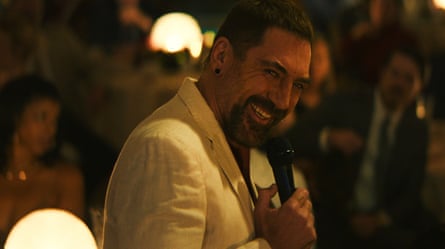
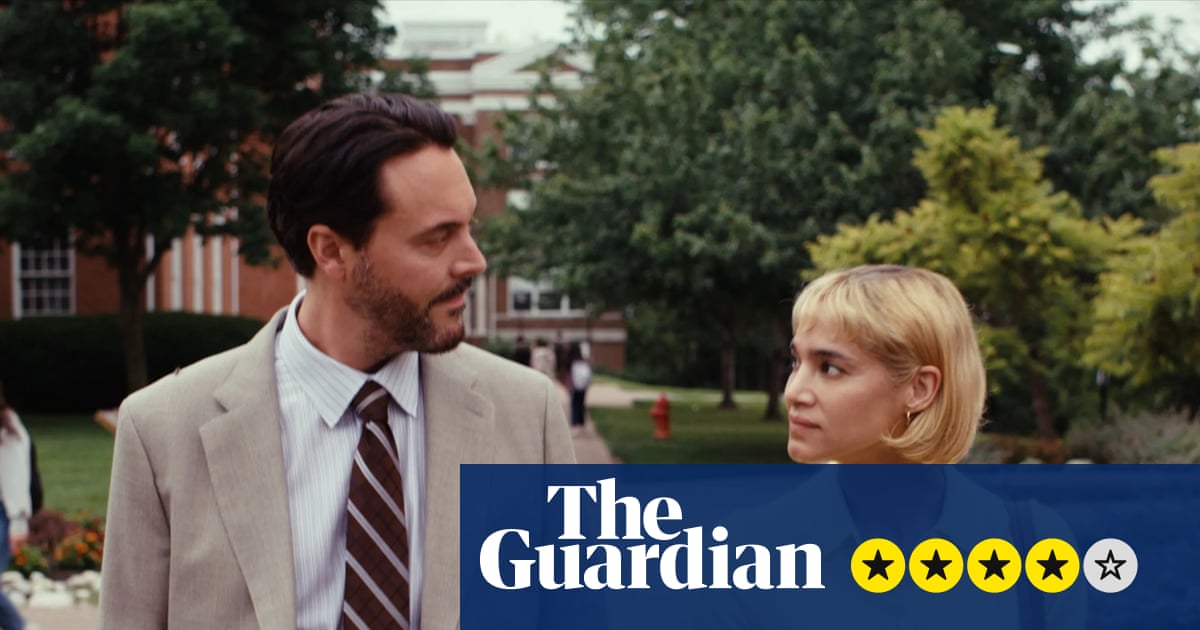
Now, a new version for our time (Apple TV, from Friday 5 June). The lawyer is affluent Anna Bowden, who 17 years ago entered a guilty plea for her client. After Cady received a life sentence, Anna married the prosecuting lawyer. Which isn’t illegal, but does make the trial outcome shadier than a grove of chestnuts. Cady has counted every brutal moment behind bars: “6,222 times I died. That’s how many days I served.” Once exonerated, he’s free to exact a campaign of patient revenge on Bowden and her family. If that’s what he still wants. In this telling, many twists await. Thank God, as there are 10 hours to kill.
The fact this is a TV series speaks to how hard it is to get movies made. Scorsese has frequently discussed struggling to find investors for new films. That’s like the Medicis refusing to buy pencils for Leonardo da Vinci. Can you imagine a more important modern film-maker, who balances artistry and commercial success? Steven Spielberg, perhaps? Both are executive producers here. At least Apple is happy to pick up the tab, and the cultural prestige. Your phone might have paid for a leaf on a BLT in on-set catering, too. Well done you.
Should it be TV? The opacity of Cape Fear has always given it the force of a biblical story. Stretching that story five times longer risks letting the air out. Yet if anyone can chart a course around these rocks, it’s this creative team. There are new characters, new forms of torture, mediated by new technology. The show is now compelled by themes of generational trauma and political expedience. Dread can always be resuscitated. One of the new characters is a hooded woman in a Covid mask.
There’s much to feast on, if you like acting chops with sauce. Javier Bardem is superb as Cady, marrying the granite ferocity of Michael Shannon with the mercuriality of Andrew Scott. Making his lawyer a woman adds an edge to proceedings; especially when she’s played by southern-accented Amy Adams, her voice honeyed by repressed aggression, to the point she sounds narcotised. The duelling pair enter an uneasy alliance to free another wrongfully convicted prisoner. Max is threatening, seductive, ambiguous, possibly still a victim – certainly not the villain we expect. Where be monsters? This is a psychological play, modern in its telling, but lit by gaslight.
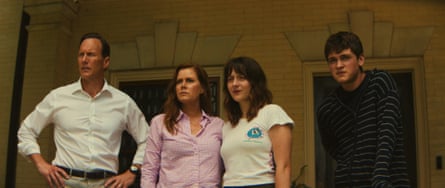
It doesn’t take punditry to guess at why we might be drawn to a story of insidious celebrity, evil lurking in plain sight. Or a reminder of our powerlessness in the face of someone hell-bent on destroying our reputation. At a deeper level, Cape Fear is also a satire of how frail comfortable western lives are, which we pretend aren’t built on blood. But there’s really one question I want an answer to. Are they going to rename the boat, to something just as jarring? Finding Dory? SpongeBob SquarePants?