2 months ago
101
2 months ago
101
The Town Hall riot will no doubt be examined closely by NSW police, accountability agencies and likely the criminal courts, as charges against protesters and possibly police are processed.
I decline in its aftermath to engage in the standard political rhetoric; fawning praise for police and strident condemnation of protesters. I have a lot of respect for the work police do and how tough it is. I also have a lot of respect for people who peacefully engage in the political process by protesting. Most people in both groups are decent and good, but not perfect, and all people deserve the benefit of the doubt.
As a member of parliament I try to bring objectivity, because I genuinely feel I represent all people in NSW. In the last three years, for example, that has led me to both consistently defend our police and to consistently stand up for the right to protest.
Many community members however will understandably immediately form a view, take sides and inevitably emphasise the wrongdoing by the side they don’t politically favour.
I must confess that what I saw last night, as I proudly protested along with hundreds of Labor party members, looked like instances of excessive force by police as well as some assaults on police.
This is not an attempt at finding a “sensible centre”, nor an effort to achieve some kind of political compromise.
We need to move beyond a false dichotomy between totally amazing and perfect police and horrible dangerous protesters, or the opposite.
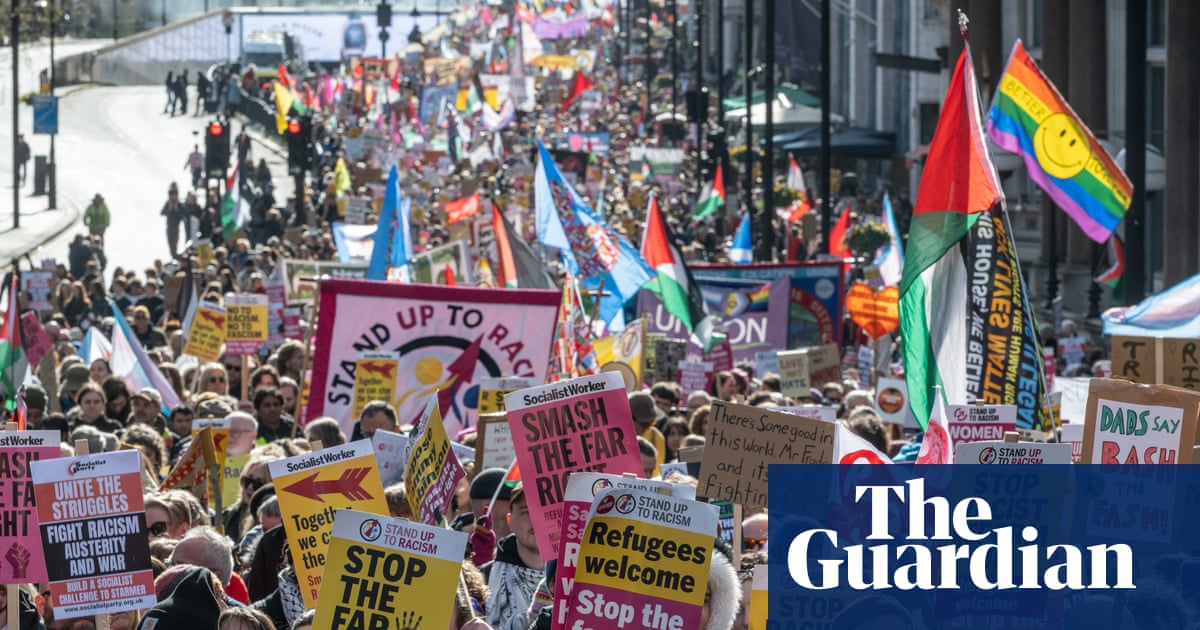
There were a lot of people there, strong differences of opinion over a most incendiary state visit and a conflict between the law, police operational decisions and the desire of some protesters to march to state parliament. Conflict was almost inevitable. I don’t say that being wise in retrospect; I actually predicted it in parliament last year.
The most important question for me now is the legal framework and the reality that it placed police and protesters in this situation of almost inevitable conflict.
At the moment in Sydney, under the public assembly restriction declaration continuously extended by the police commissioner, there is no independent arbiter to decide what protest routes will be lawful. The police decide if a protest route in the area of the declaration can proceed.
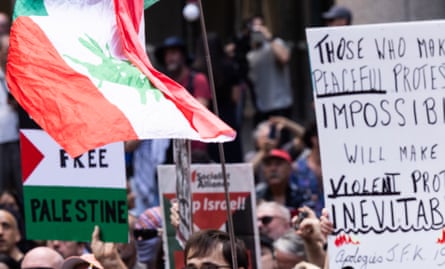
The 1978 Mardi Gras riot has many similarities to the Town Hall riot. A large group of protesters wanted to take a particular march route and police disagreed. The result was violence, arrests and huge social concern. I note a stigmatised minority was involved in that protest and prejudice played a big role. Last night we saw a protest involving several minorities, but also a protest movement that has been thoroughly demonised.
After the excesses of 1978, lessons were learned and the parliament engaged in serious law reform; removing ultimately from police the role of being the arbiter of street protest and granting that power to our independent courts. Another important change related to the disapplication of police “move on powers” from lawful protests.
Since those reforms as a community, we seem to have unlearned those lessons. We have adopted a view that it can legitimately be the role of the state to suppress mass protests. We have done so despite the obvious potential for violence.
Contentious legislative reform can of course relate closely to the political ebb and flow of the community. A pernicious injection into the public debate occurred after the Bondi atrocity: the appalling suggestion that the attack was caused by lawful and peaceful protest. That has driven many of the subsequent developments. I was heartened to see the shadow attorney general, Damien Tudehope, recently reject this link. A glimmer of the potential for bipartisan sanity in NSW.
-
Stephen Lawrence is a NSW Labor MLC