3 months ago
83
3 months ago
83
It is not often that Keir Starmer’s allies believe he has Nigel Farage and Kemi Badenoch on the run – but on Iran, they think he is on the right side of history and public opinion.
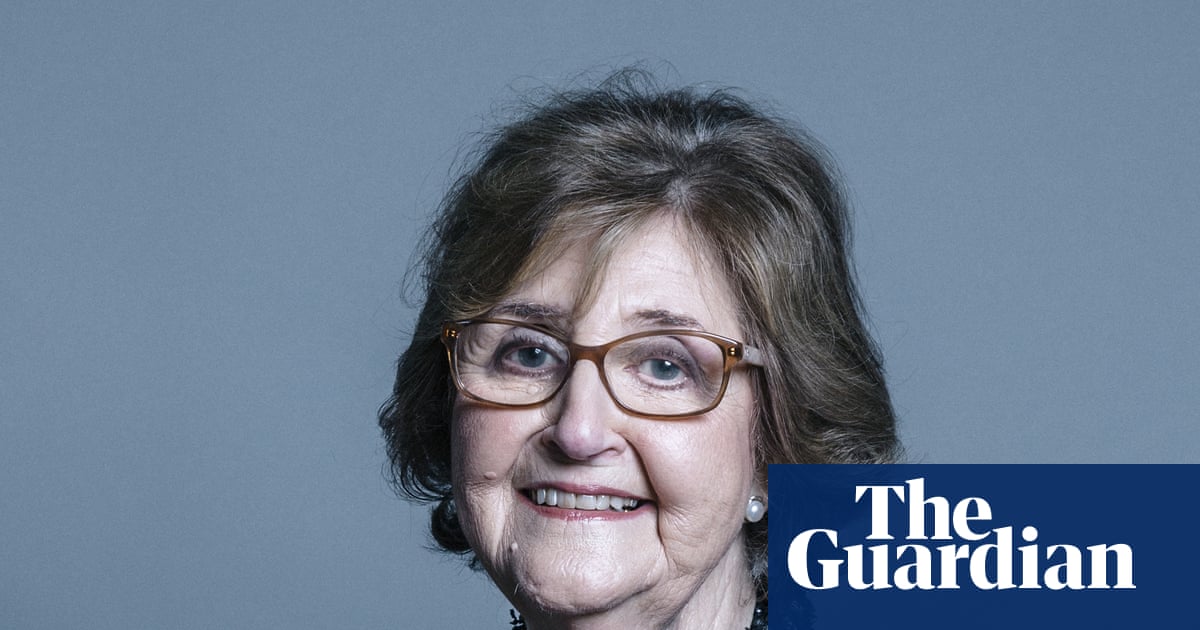
“It could be the making of him,” said Emily Thornberry, the Labour chair of the foreign affairs committee, who was first out of the blocks to say she thought Donald Trump’s strikes on Iran were illegal. “You’ve not had a British prime minister say no to an American president since Vietnam. This is a big deal.”
Since the drawn-out disasters of Iraq and Afghanistan, the prospect of helping the US attempt to facilitate regime change in another foreign country has been deeply unpopular with the public.
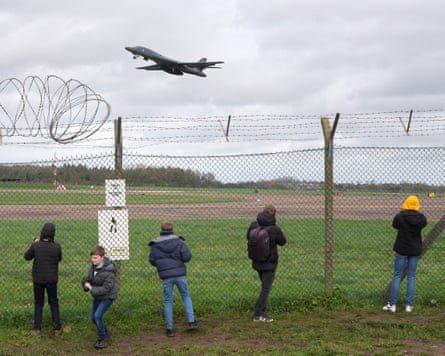
Starmer has sought a middle ground – refusing to let the US operate from British bases for the initial strikes but later giving it permission to use them for defensive action to destroy Iranian missiles. It has earned him the ire of Trump and public approval in the UK, and has given heart to many within the Labour party who believe he is acting more according to his own political instincts.
One Labour MP said Starmer’s decision after several days to become even more critical of the US strikes on Iran had made them feel they “recognise this person as the real Starmer – closer to Robin Cook than Tony Blair” on these matters.
In contrast, Farage and Badenoch were quick to say Starmer was not doing enough to support the US and Israel’s joint strikes. The Reform UK leader said when the conflict began: “We should do all we can to support the operation.”
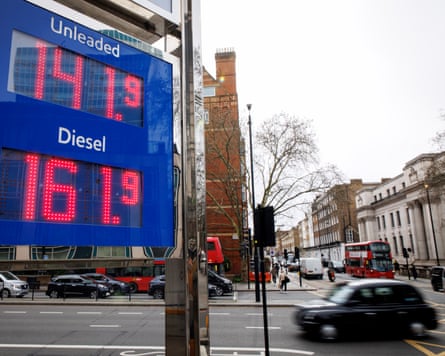
However, as petrol prices rose and public opinion hardened against the war over the past week, both adjusted their positions. A YouGov survey found this week that six in 10 Britons are opposed to the military action, while a quarter are in favour of it.
Badenoch now denies she wanted the UK to join the war and says she wanted Britain only to help take out Iranian missiles. Meanwhile, Farage held a stunt at a petrol station promising 25p off a litre of fuel and claiming: “If we can’t even defend Cyprus, let’s not get ourselves involved in another foreign war.”
One senior Tory said: “We have just looked confused and the messaging has been terrible. But most of us on the right do actually believe Starmer was completely wrong not to support Trump at the beginning, so the right thing to do would be to stick to our guns, whatever the public say.”
Andrew Mitchell, a veteran Conservative and former deputy foreign secretary, said refusing Trump’s request was a “very big mistake” and that Starmer would be proven not to have acted in the UK’s national interest in the long run.
“The US is our closest ally and friend, and when the president asked for our help with the use of joint bases – essentially what he wanted them for was refuelling – the answer should have been yes,” he said. “It’s embarrassing, really, that Starmer said no on the basis of questionable legal advice, thus demonstrating that Starmer is a lawyer, not a political leader.”
Although the majority of the public are anti-war, opinion polls suggest Conservative voters are almost equally split. Reform voters are more likely than other party supporters to back the Iran war, but there is still an isolationist flank on the hard right drawn to the message of Rupert Lowe – a former Reform MP who now sits as an independent – that it is “not our fight”. The risks of appearing too pro-war and pro-Trump appear to have forced both parties on the right to have moderated their initial messaging.
But Alan Mendoza, Reform’s chief adviser on global affairs and executive director of the rightwing Henry Jackson Society thinktank, said the party still believed that Starmer was wrong to have refused Trump’s request and maintained that Farage had been consistent throughout.
“He’d have said yes when America asked that question on day one. And he, of course, would have also firstly ensured the British bases were defended,” Mendoza said, adding that no one in the UK was ever suggesting or in favour of joining in offensive bombing action or a ground invasion.
He also questioned whether polls were asking the right questions about support for the Iranian military action, and suggested that framing questions around whether it was in Britain’s strategic interests to back an ally would generate a more positive response.
However, those within Downing Street are confident they have got the strategy right on this one, with internal polling showing support for Starmer’s approach. One senior Downing Street figure said: “[Reform mayor] Andrea Jenkyns not ruling out boots on the ground is exactly the wrong side.”
Labour’s position is also helpful in explaining any potential hit to the cost of living. “Obviously how people attribute blame is a multifaceted thing, but we can turn around and say, this is exactly why we don’t think we should be involved in the Middle East,” they said.
Other senior MPs within Labour have been reflecting on whether Starmer would have made the same decision to block the US using the military bases if Peter Mandelson were still ambassador to the US and his ally Morgan McSweeney were still chief of staff.
Ben Judah, a former adviser to David Lammy when he was foreign secretary, said the rightwing parties had got into difficulties because they “basically took a decision on the first day to try and use that old card of ‘have you failed the special relationship?’ to try and bash the prime minister”.
He added: “I think, out of their own leadership’s foreign policy inexperience and lack of curiosity about the world beyond Westminster, that they were sort of anticipating that this would be a Venezuela-style one-night story. And it’s turned out, actually, this is kind of a weeks-long, deeply disruptive event in the world economy, which voters are really concerned about, and at the petrol pump. And you see them changing position.”
He said that for the Tories it had come from the party “losing that kind of foreign policy muscle now they’re in opposition”, and that Farage “has an America problem”.
“Trump 2.0 is not governing in the same [way] as he campaigned,” Judah said. “He campaigned on an isolationist platform, he literally campaigned to bring world peace.
“We’ve seen Reform in its attempt to professionalise and become the real competitive conservative party, from the old sort of Ukip isolationists to a more kind of neocon, pro-American stance.
“That sort of neocon tradition in the UK is one thing when America is behaving in a way that’s good for your politician, shining praise on him, or when America is perceived to [be] booming, or charging ahead, but now it’s become a problem for him.”
However, not everyone within the cabinet is on the same page on whether the UK’s strategy will ultimately prove to be the right one. While an unprecedented leak to the Spectator of a national security council meeting showed Ed Miliband, Rachel Reeves and Yvette Cooper had strongly supported blocking the US from using Britain’s military bases, at least one senior cabinet minister is worried that the longer-term impact on the transatlantic relationship will be disastrous for the UK’s standing and security.
Thornberry is more confident that the relationship will recover. “We will always be close to America,” she said. “They are our closest ally. But there are times when you can disagree. We survived Vietnam, we will survive this. And it’s not like we haven’t been led by them into some pretty disastrous decisions in the near past.
“People get – well, men particularly get – particularly excited about wars, and it’s quite popular to start with. And then, as they begin to think through what it means and what the ramifications are, then the war starts to affect daily life, war starts to kind of lose popularity. You don’t have to have been around that long to have experience of Middle East wars. You know, we know how this goes.”