2 months ago
101
2 months ago
101
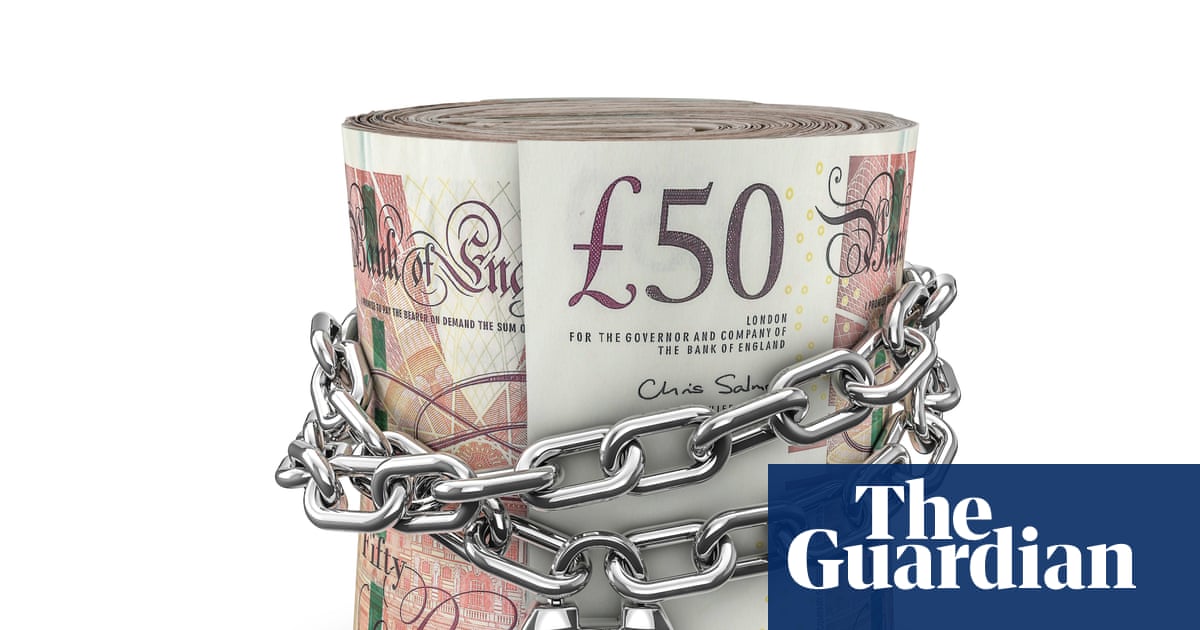
A “Doge of the left,” could save up to £30bn a year for taxpayers by rooting out waste, fraud and tax avoidance, according to the first report from a new green thinktank.
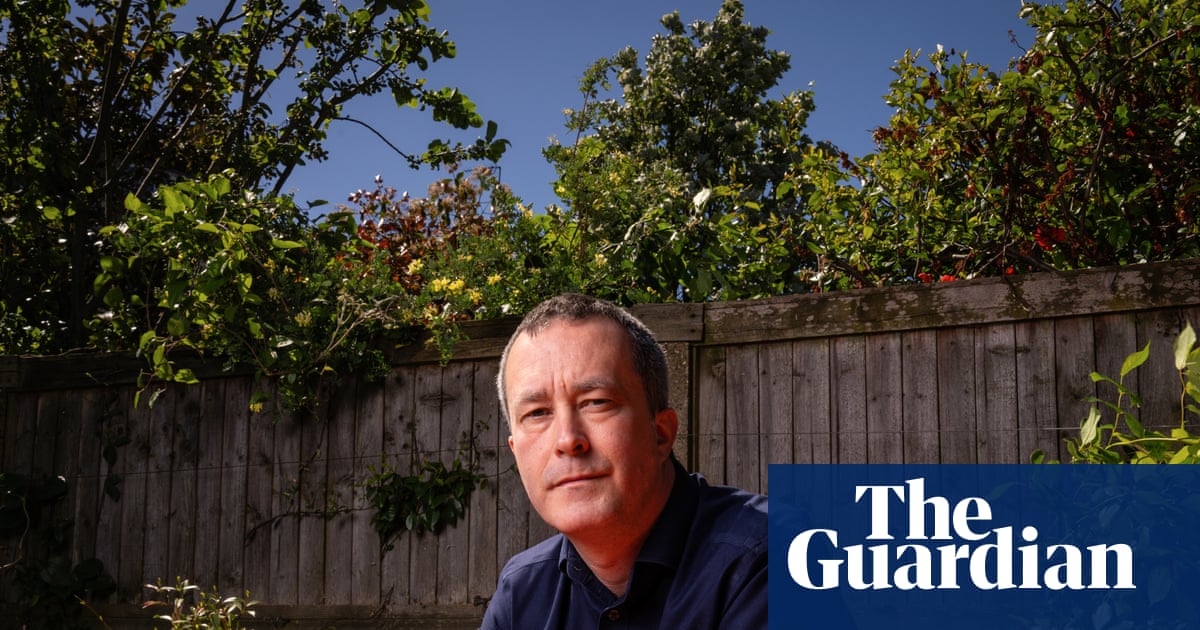
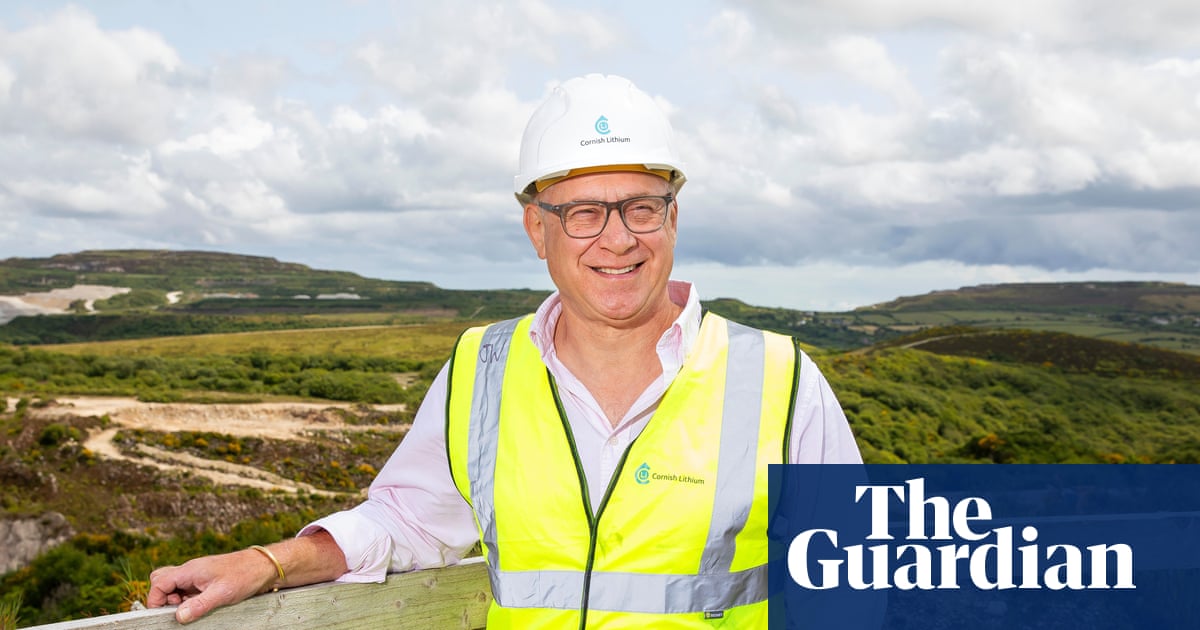
Launched amid growing interest in the future manifesto of Zack Polanksi’s Green party, the Verdant thinktank will be co-chaired by James Meadway, a former adviser to Labour shadow chancellor John McDonnell, and civil society campaigner Deborah Doane.
In its first report, the new group argues that a crackdown on waste, rather than the ideologically driven approach of Elon Musk’s former Doge – Department of Government Efficiency – in the US, could free up significant resources.
“The political right have monopolised the discussion about savings in government spending, to disastrous effect,” said Meadway. “Breaking the false economies of Treasury thinking and vested Whitehall interests are an essential. A ‘Doge of the left’ would rinse out the tax avoiders, the profiteers and the fraudsters, and help deliver the high quality public services we deserve.”
Doge, in the US, which was run by Tesla’s billionaire boss, took the axe to the US development agency, and slashed projects seen as “woke”, but the savings made fell far short of Musk’s aspiration of $2tn.
Verdant says its ideas could be adopted by any political party, but with Polanski’s Greens drawing ahead of Labour in some polls, the thinktank appears keen to influence the party’s future manifesto.
Keeping a firm hand on the purse strings could be an asset for a Green party likely to face tough scrutiny from the bond markets, given the size of the UK’s national debt.
Verdant says the UK should echo the approach of the New York mayor, Zohran Mamdani, by appointing a “chief savings officer”, who could hunt out waste and fraud, instead of leaving the details of departmental budgets to be fought out solely in spending review negotiations with the Treasury.
The report calls for the National Audit Office (NAO), which scrutinises public spending projects, to be given the power to halt those that are hopelessly overspending; while public procurement, including for notoriously costly defence projects, would be opened up to more transparent competition.
And it suggests an internal consultancy function, working in a similar way as the existing Government Digital Service, could take on many of the projects now outsourced to costly private consultants.
The ambitious £30bn in savings mooted by the thinktank is largely made up of independent estimates of the amount lost to the taxpayer each year through fraud, waste, under-collection of tax, and lack of competition in procurement.
Verdant also says tax reliefs and other government support for oil and gas producers, worth £3.6bn a year, should be scrapped. “At a time of rising fossil fuel prices globally, there is little to no justification for lavish expenditures on socially harmful production of this kind,” it says.
Polanksi, who leads the Greens in England and Wales (the Scottish party is distinct) gave his first big speech on economic policy last week at a north London garden centre, hosted by the leftwing New Economics Foundation.
He promised sweeping changes, including caps on rents and a new wealth tax. In contrast to Rachel Reeves’s approach, he also said a Green government would spend £8bn protecting all consumers, even the wealthy, from rising energy prices as a result of the Iran war.
Polanksi expressed scepticism about GDP as a measure of the economy’s performance and insisted, contrary to Labour’s approach, that increasing economic growth should not be the government’s main aim, or “mission”.
“Actually, I’m much more interested in growing people’s mental health, growing our public services, growing cohesion in our communities,” he said.