1 month ago
75
1 month ago
75
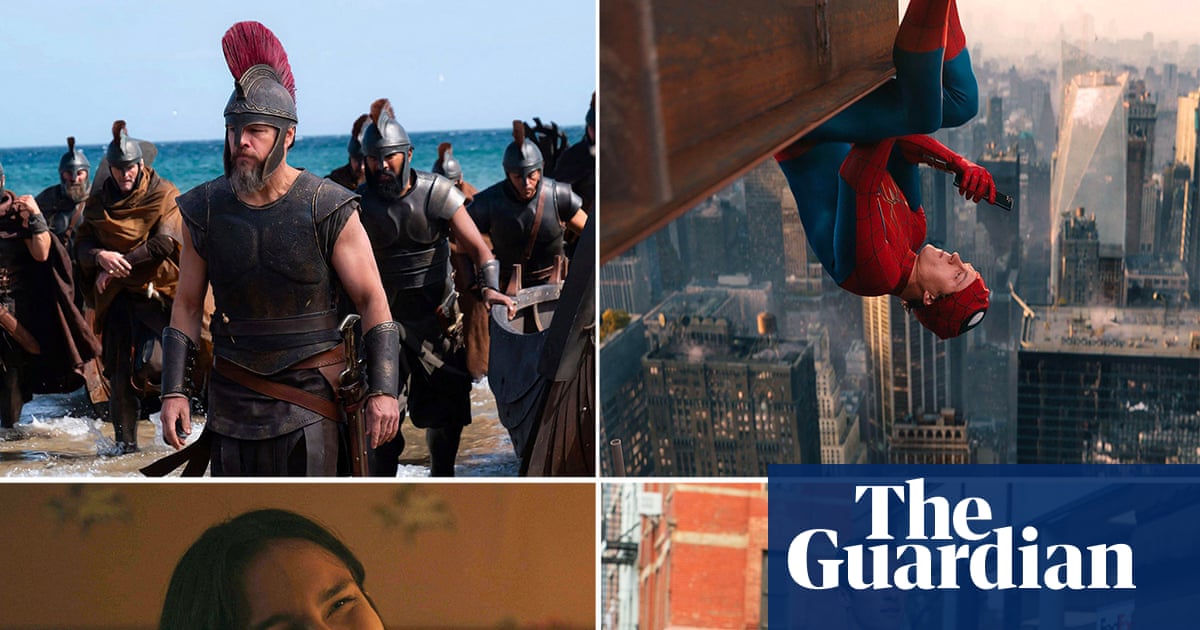
As AI slop takes over our screens, what better antidote for enquiring minds than a magical film? We ask directors, producers and critics to pick one must-see movie for each year from infancy to early adulthood
Screentime has a bad rep these days: it’s allegedly at the root of everything from the collapse of media literacy to the rise of the far right. For parents, and indeed anyone who cares about the future of the planet, the relationship children have to their screens is a particular hot potato.
Orson Welles’ advice to young people to be selective about your viewing – “Don’t be marinated, don’t soak yourself in films” – has never been more relevant in the era of AI slop and doom-scrolling. So we asked film-makers, critics and industry names for the joyful, imaginative and thought-provoking films that every child and young adult should see. Here is their curated list of just 25 screen experiences worth having.
Catherine Bray
At the age of …
1
Fantasia
(1940)
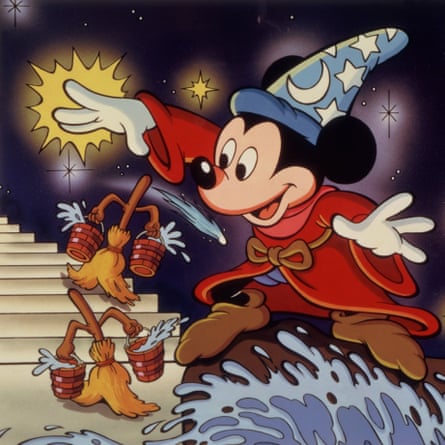
My first child is due in autumn and it’s made me think about what I’d like to share with them in their journey into the magical world of movies (I know they will be asleep or crying, but allow a man to dream). Disney’s Fantasia holds some of my own earliest film memories: the music; the dancing ostriches; Mickey Mouse just trying to have a rest. If cinema is the fusion of sound and image into something greater than the sum of its parts, then Fantasia is truly visceral and joyous cinema. I hope my wee one will feel the same.
Tom Nicoll, director
2
The Snowman
(1982)
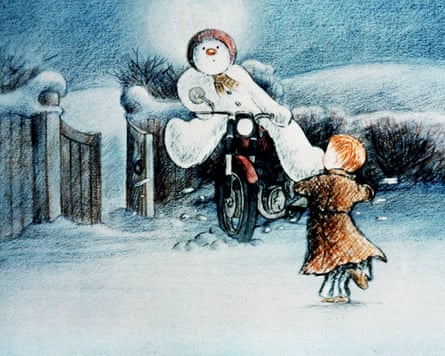
With its winsome, crayon textures, The Snowman is a dream. Young James delights in showing his miraculous visitor around his domestic domain, but it’s the Snowman who expands the kid’s horizons, as they soar above the Sussex countryside. In the morning, the snow has melted, but the magic remains.
Michael Leader, author of The Animation Atlas
3
My Neighbour Totoro
(1988)
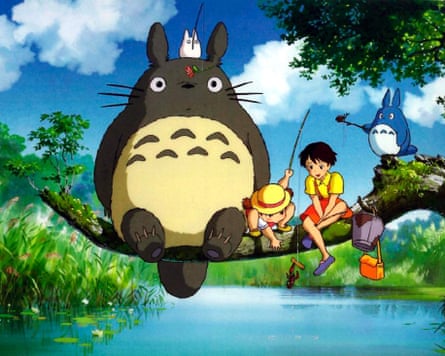
Hayao Miyazaki’s animation is a beautiful, meditative film about illness, grief and the power of nature. My daughter was three when she first watched it and was totally mesmerised. It is a real shift in tone from the usual American fare and offers something different for kids to connect with.
Imran Perretta, director
4
Muppets Take Manhattan
(1984)
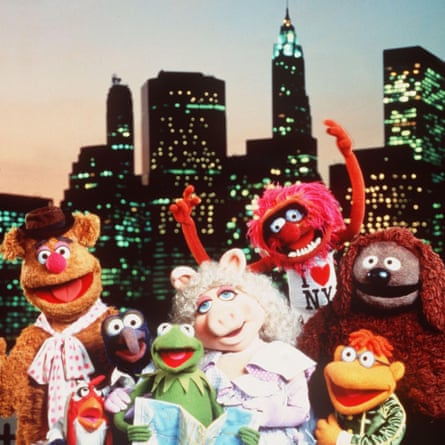
Coming at the tail end of “peak Muppets”, and directed by Frank Oz (also at his creative apex, having just done The Dark Crystal), this film sees Kermit and friends take their ensemble play to the Big Apple with the dream of opening on Broadway. Things are not as easy as they seem and they encounter hardships and learn life lessons. The film is full of laughs and inspired cameos (including Joan Rivers inflicting her version of an extravagant makeover on a permed Miss Piggy). It’s a deserving entry in the canon of great 1980s New York City films.
Michelle Carey, founder of Red Balloon alliance
5
Chicken Run
(2000)
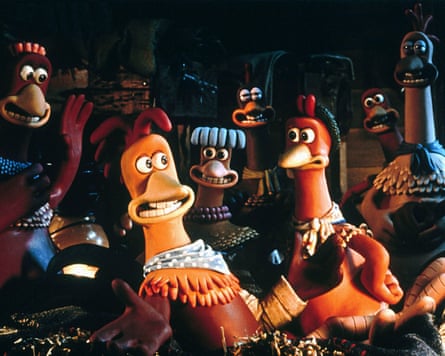
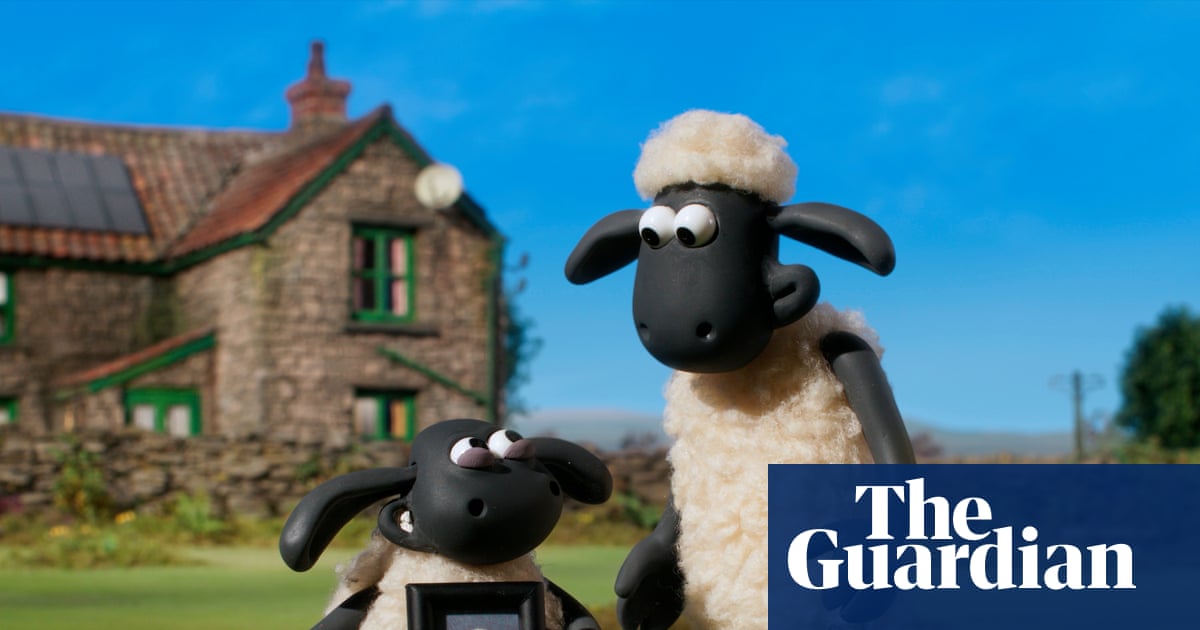
A masterclass in stop-motion, I’d choose this for every five-year-old, mainly having seen the effect it had on mine. Drawing heavily from classic second world war adventure films, this tale of plucky chickens who dream of a life outside their electric-fenced egg farm is filled with slapstick, action and gags that hit kids and grownups alike, all wrapped around a message about the fundamental right to freedom. It’s The Great Escape – with chickens.
Briony Hanson, director of film, British Council
6
The Wizard of Oz
(1939)
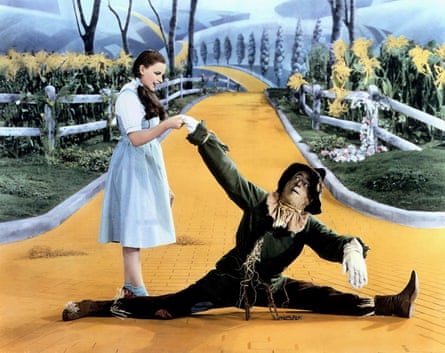
The Wizard of Oz changed my life when I was six years old. It is a visual delight that expands imaginations and every six-year-old should see it.
Prano Bailey-Bond, director
7
Scooby-Doo
(2002)
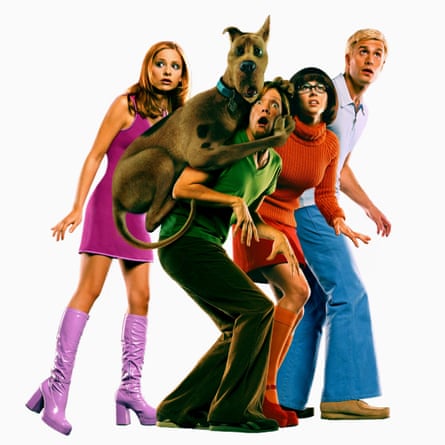
My younger self thought Scooby-Doo was a masterpiece. My current self agrees. It has everything you need from a film: a compelling story, an incredible cast of characters, mystery, thrills and laughs. It’s pure pop spectacle. Rewatching it as an adult, I could see that this was also a film with big ideas: it’s an autopsy of the American project post-9/11, an examination of gender relations and performance at the beginning of a new century, and a deeply felt exploration of the value of friendship under late capitalism. The exact kind of film a seven-year-old should be watching.
Naqqash Khalid, director
8
Labyrinth
(1986)
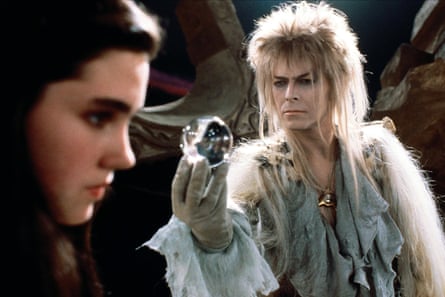
David Bowie may have been the Thin White Duke but he was also Jareth the Goblin King in Jim Henson’s charming family fantasy adventure. A ludicrously bewigged Bowie taunts and tantalises Jennifer Connelly’s Sarah as she undergoes a perilous journey to find her kidnapped baby brother.
Alex Larman, author of Lazarus: The Second Coming of David Bowie
9
The Amazing Mr Blunden
(1972; remade in 2021)
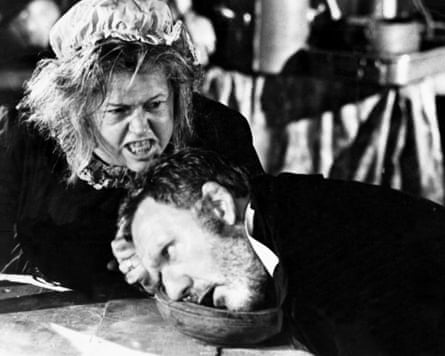
I can’t remember exactly how old I was when I saw this ghost story, directed by Lionel Jeffries, but it affected the smaller me deeply, mainly by introducing me to a kind of exhilarating dread. I saw two kids in 1918 find themselves in a lonely country house haunted by two other kids who died in a fire 100 years earlier (instigated by, of all people, Diana Dors in a Regency bonnet); they head to 1818, save the kids, do in the baddies and inherit the lovely house. The estimable Mark Gatiss’s remake should really be the gateway drug to the source – your nine-year-olds may never be the same again.
Andrew Pulver, associate editor, film, the Guardian
10
The Princess Bride
(1987)
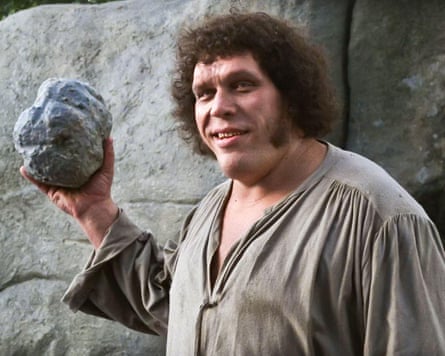
It’s whimsical fun for a kid, but also has a bunch of jokes for the grownups that go over your head until you revisit it in a fit of nostalgia as, say, a hungover 24-year-old looking for a comfort watch. Rob Reiner, what a talent you were.
Julia Jackman, director
11
Mulan
(1998)
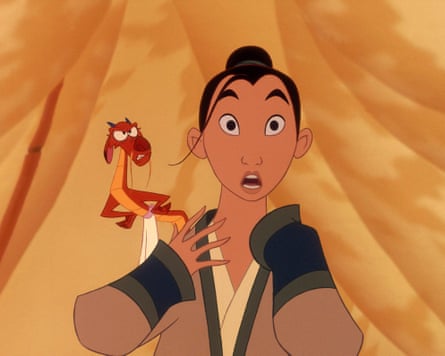
Brilliant songs, sweeping romance and a great way to introduce younger audiences to the comic brilliance of Eddie Murphy as Mushu the dragon. Based on the Chinese legend of Hua Mulan, this fun adventure about identity follows a girl who disguises herself as a boy, because people won’t let her do what she wants when she’s a girl. They’re furious when they find out!
Rhianna Dhillon, critic
12
The Witches
(1990)
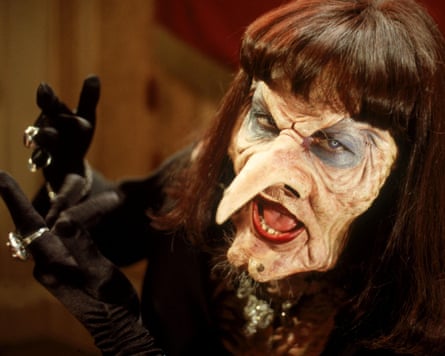
Once you hit your preteens, it’s time to cue up this dark and delightful adaptation of Roald Dahl’s book. Anjelica Huston goes from glam to gruesome when she transforms into the bald, child-hating Grand High Witch, determined to wipe out the kiddos of the world with a new magic potion. Young viewers will root for Luke (who is turned into a mouse) and his grandmother, who use cleverness, bravery and trust in each other to triumph over the witless witches.
Rebecca Fons, Barbican head of cinema
13
Princess Mononoke
(1997)
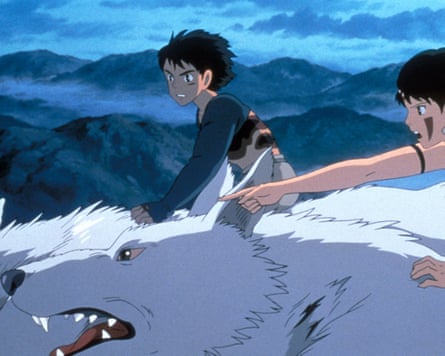
Speaking as a fully grown adult, The Wind Rises sits high atop my list of favourite Miyazaki films, but I’m not sure I’d feel that way had I not grown up alongside the reverence for nature instilled in me by this earlier classic. It is a film so beautiful, frightening, hardcore, playful and prescient about the pained relationship between nature and technology – and a child can grasp its profundity as easily as an adult. In Miyazaki’s films, children are often more capable of achieving wisdom than the rigid adults trying to make the old ways endure. That seems about right.
David Osit, director
14
Ferris Bueller’s Day Off
(1986)
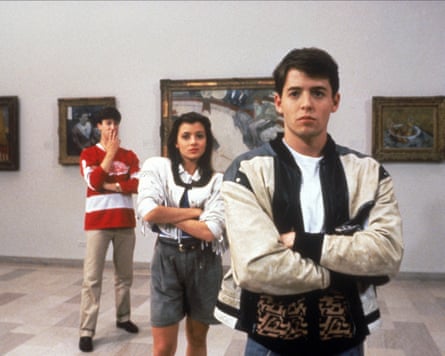
You would not have caught me watching a John Hughes film for love nor money in my youth. It was my assistant who got me into the film about 10 years ago – she declared one day on a set that she was a big Hughes fan and this was one she held close. I watched it and thought it was pretty damn funny – with all its un-PC flaws ignored.
Elizabeth Karlsen, producer
15
Run Lola Run
(1998)
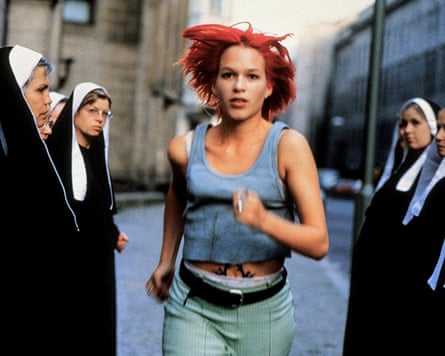
Since I was young, plenty of films have made me yearn to be a director, but I left a matinee of this in the summer of 1999 both completely envious and fizzing with excitement, desperate to make a movie that very day. It’s a brisk but profound film about how your whole life can change in the next 20 minutes, and how true destiny and blind chance may not be as far apart as we imagine. It’s also propelled by a pulse-quickening techno score, so I defy you not to be moved – both literally and figuratively.
Edgar Wright, director
16
The Umbrellas of Cherbourg
(1964)
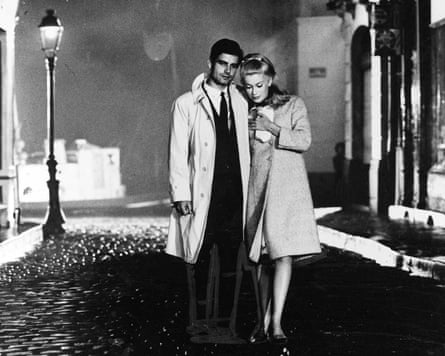
When I was a teenager, most of my favourite films involved guns and swearing. So a film shot in bright pastels about young lovers in a French port where everyone sings all the way through the movie was a hard sell. But there was nothing else on and iPhones didn’t exist yet, so I went and it changed me. It’s a musical about how disappointing life is – a lesson best learned early – and one of the most beautiful films ever made.
Gareth Tunley, director
17
Get Out
(2017)
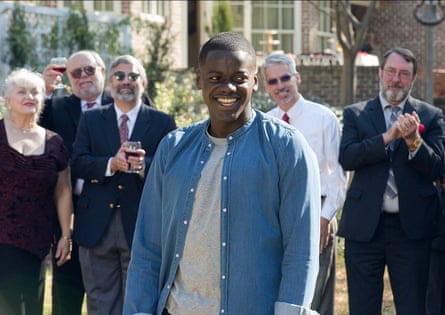
Jordan Peele’s film, in which a young photographer realises something isn’t quite right while meeting his girlfriend’s family, is the perfect gateway for a young cinephile – so much fun you barely notice it’s teaching you how to watch.
Farhana Bhula, director of Film4
18
Gaza: Doctors Under Attack (2025); Louis Theroux: The Settlers
(2025)
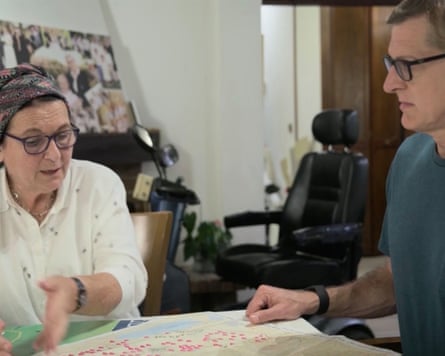
These films depict Israel’s genocidal war on Gaza and the ethnic cleansing of the West Bank. The images are heartbreaking and unforgettable: there are horribly mutilated children facing death; medics in wrecked hospitals knowing they themselves are targets. Theroux’s documentary shows the chilling smile of a settler woman who knows she has the power to drive Palestinians from their homes. Pictures seen when young stay in the mind for a lifetime. Never was the need for such films so urgent. Remember Martin Luther King: “The ultimate tragedy is not the oppression and cruelty by the bad people but the silence over that by the good people.”
Ken Loach, director
19
Trainspotting
(1996)
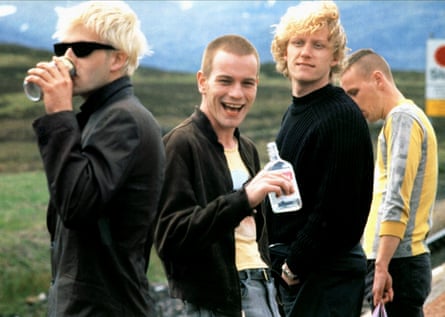
It has been 30 years since we made Trainspotting, and the film Danny Boyle put together from Irvine Welsh’s brilliant book has taken on a life of its own. Its iconography still seems to be everywhere, which is gratifying if a little overwhelming. We are immensely proud of the film we made and what it has to say about being young and pushing back on what’s expected. The good people at the BBFC insist that you have to be 18 to see the film and we must abide by the law. But if you are old enough, I highly recommend the film. It is even screening at the Edinburgh International film festival this year.
Andrew Macdonald, producer of Trainspotting
20
Blue
(1993)
We were art students in 1993 when Derek Jarman’s final film was released. Blue landed like a manifesto: an invitation to question everything and to believe that art could change the way you see the world. Derek Jarman described Blue as “an infinite possibility, becoming tangible”. In this devastating yet profoundly hopeful farewell to film-making, he created a work that has continued to shape us and redefined the possibilities of cinema for ever.
Iain Forsyth and Jane Pollard, co-directors
21
Cléo from 5 to 7
(1962)
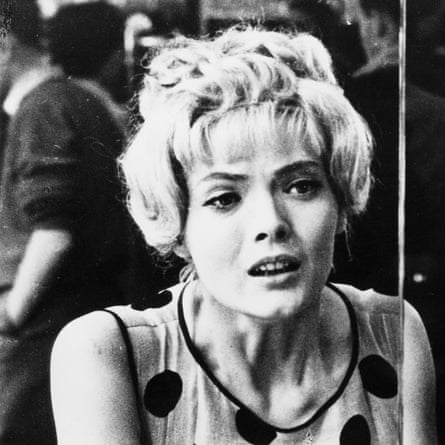
Twenty-one feels like a beginning and so something from the French New Wave seems appropriate; all that energy, excitement and idealism. I thought about the cool of À Bout de Souffle or the coming-of-age anxieties of Truffaut’s Antoine Doinel films, but for its spirit of playfulness, its style and beauty, I’d choose Agnès Varda’s Cléo from 5 to 7, in which a tarot reading causes Corinne Marchand’s pop star to evaluate her life in real time. Optimism, transformation, connection - it’s all the stuff of early adult life.
David Nicholls, novelist and screenwriter
22
Do the Right Thing
(1989)
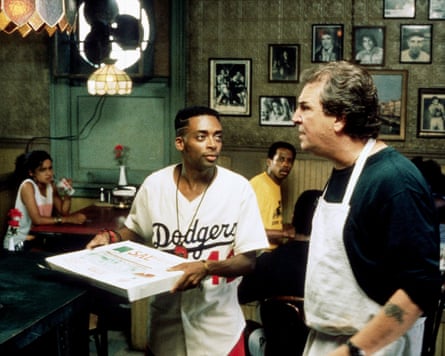
So stylish, so dynamic, so urgent: I love Spike Lee’s film for inviting young minds to interrogate the past and the present and determine their own ideas of community, power, justice and personal morality – questions more relevant than ever to those inheriting our fragile Earth.
Eva Yates, director of BBC Film
23
The Girl Chewing Gum
(1976)
I first saw this in the 1990s when I was studying film at Central Saint Martins, where John Smith – who directed it – was a tutor. It was made when he was a post-grad student and mostly filmed on a busy London street corner in a single, unscripted documentary shot. John later added his voice directing, controlling and commenting on the action. This retrospective narration (which becomes deliberately unreliable) wittily interrogates how a film manipulates and constructs meaning. Nowadays it’s widely regarded as an avant garde masterpiece.
Carol Morley, director
24
Morvern Callar
(2002)
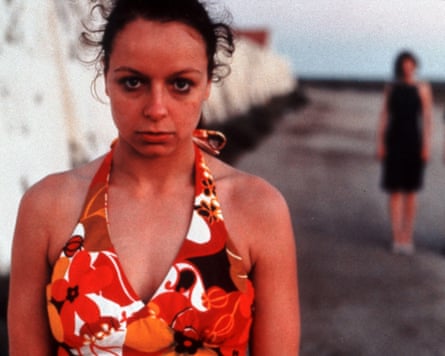
A film by Lynne Ramsay that captures the feeling of being young, adrift and still free to take one giant swing before you calcify into a responsible adult! Many people I know find viewing this movie a rite of passage – it rearranged their entire being. It’s a movie you can come back to in 20 years to see where you stand in relation to its freewheeling spirit. Would its spell have worn off? And what does that say about you?
Sandi Tan, director and writer
25
The Graduate
(1967)
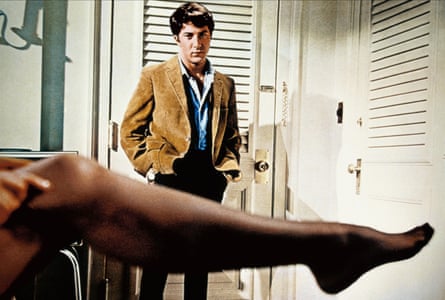
At 25, it’s time for your quarterlife crisis. So sit down to this dark, existential masterpiece, an age-gap sex romp which is actually about the terrible twentysomething burden of making irreversible life choices. Dustin Hoffman is Benjamin, a college graduate embarking on a long hot summer of torpid indecision (a friend of his father advises going into “plastics”), who is seduced by the sensual older woman, Mrs Robinson, gloriously played by Anne Bancroft. Her own cynicism is a counterpoint to Benjamin’s callow ennui. The subversive sexual politics are funny, alarming and desperately sad.
Peter Bradshaw, Guardian film critic