2 months ago
89
2 months ago
89
Christmas is over and a new year is upon us. Time, then, to start planning your next summer holiday.
Next year, however, you may be more likely to be downing gut health shots and Japanese tea in the airport than the once-traditional morning pints.
Figures from Manchester Airport Group, the biggest in the UK, show soaring numbers of passengers shunning pre-flight booze in favour of more wholesome alternatives.
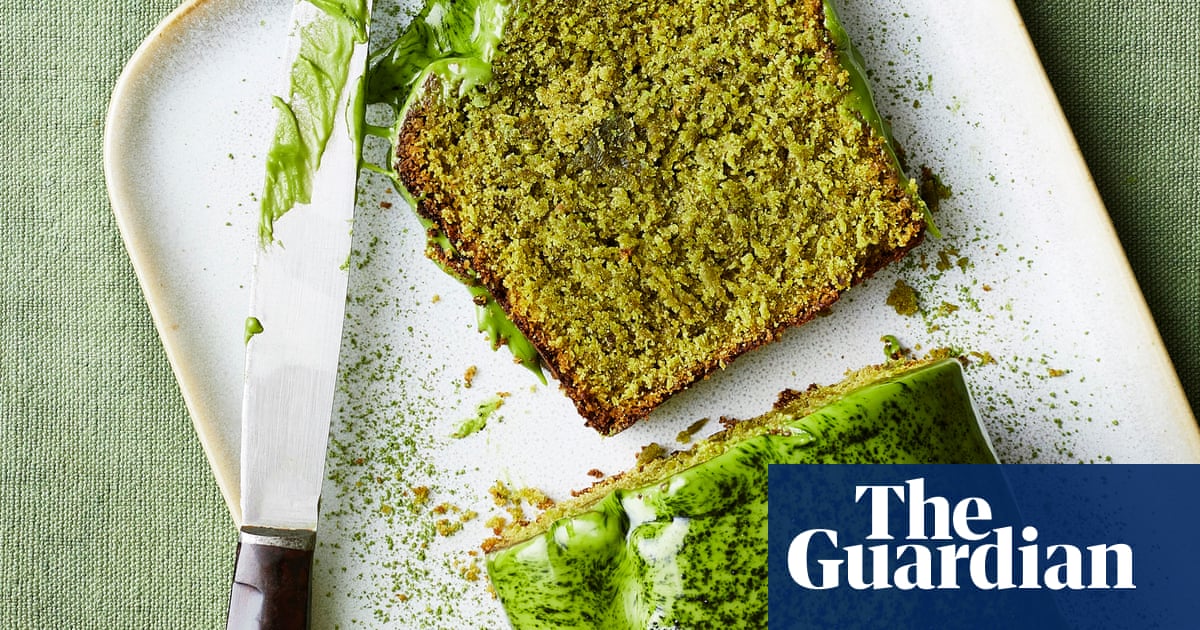
Sales of matcha, the antioxidant-rich green tea, rose 165% at Manchester, Stansted and East Midlands airports this year as TikTok influencers sold it as the ultimate wellness drink.
Younger travellers were also more likely to sink super smoothies and gut health shots – up 650% and 102% respectively – than £7 airport pints.
And rather than having a skinful in the sky, a social media craze for “skincare in the sky” drove a 399% increase in sales of onboard face masks compared with 2024.
The trends reflect the healthier – and more selfie-conscious – habits of gen Z travellers, defined as those born between 1997 and 2012, with many more of them jetting off on city breaks and retreats than rowdy 18-30 holidays.
Andrew MacMillan, the chief strategy officer at Manchester Airport Group, said this generational shift was transforming habits in the departure lounge: “This data shows the influence of our younger passengers. Generation Z are creating their airport experiences strongly influenced by AI and social media. These travellers both want to follow trends and set them.”
While experts are not yet calling time on pre-flight pints – sales in recent years have risen in line with the growth in passengers – younger travellers are less likely to be filling airport pubs.
Across Manchester, Stansted and East Midlands airports, 61,500 more cups of matcha were sold this year than in 2024. Stansted alone recorded 70,000 sales of the Japanese super-tea this year – almost 200 a day.
One of the year’s must-have accessories – at least, according to TikTok – were Stanley drinks holders, beloved by influencers (they come in an array of colours). More than 10,000 of the £40 Stanley bottles were sold at the three airports this year, up six-fold since they went on sale in 2024.
It is not just social media driving alternative travel habits: AI is increasingly being used as a “virtual travel agent”, according to Manchester Airport Group.
A recent survey found that one in four of its passengers aged under 25 had used or intended to use tools such as ChatGPT to plan their trip.
Travel data also suggests that fewer gen Z travellers are jetting off on boozy 18-30 holidays to party hotspots in the Canary Islands and Mediterranean.
Among the typical 18-30 party places, only Tenerife and Palma made the top 10 destinations for under-25s last year. City breaks to Barcelona, Amsterdam, Dublin and New York were more in demand.
Gen Z are more likely than their elders to venture away from the tourist traps. Figures from the Civil Aviation Authority (CAA) show flights to Albania, Bulgaria and Romania doubled among under-25s last year, partly due to a social media trend for “destination dupes” recommending picturesque places on a budget.
Yet those with more money appear happy to spend it on long-haul travel. The holiday rental firm Airbnb said Buenos Aires in Argentina, Busan in South Korea, João Pessoa in Brazil and Nakano in Japan were the top trending cities among gen Z this year.
Younger Britons may find adventure closer to home, however. The travel magazine National Geographic on Monday picked stargazing in Northumberland as its hottest trip in the world for 2026, ahead of “forest bathing” in Japan and a football pilgrimage across South America. There may be no need for the in-flight face masks after all.