2 months ago
74
2 months ago
74
Israel has announced it will stop dozens of aid organisations working in Gaza within 36 hours for failing to meet stringent new requirements to hand over personal details of Palestinian and international staff deployed in the devastated territory.
The list of groups hit by the ban include some of the world’s best known humanitarian organisations such as ActionAid, International Rescue Committee and Médecins Sans Frontières (MSF).
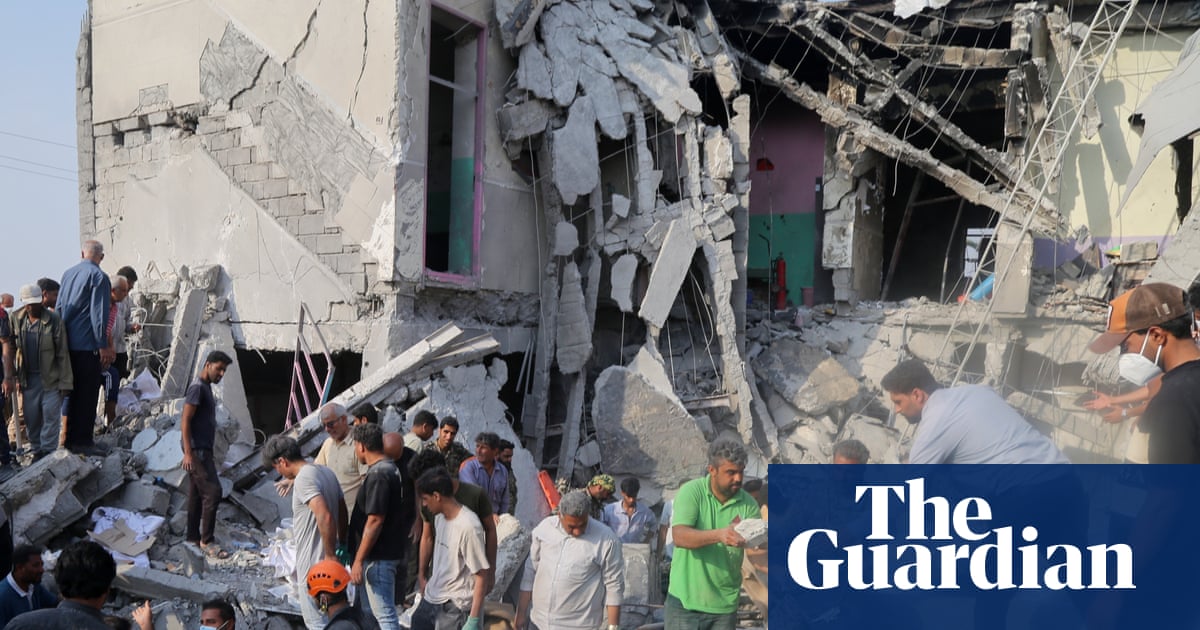
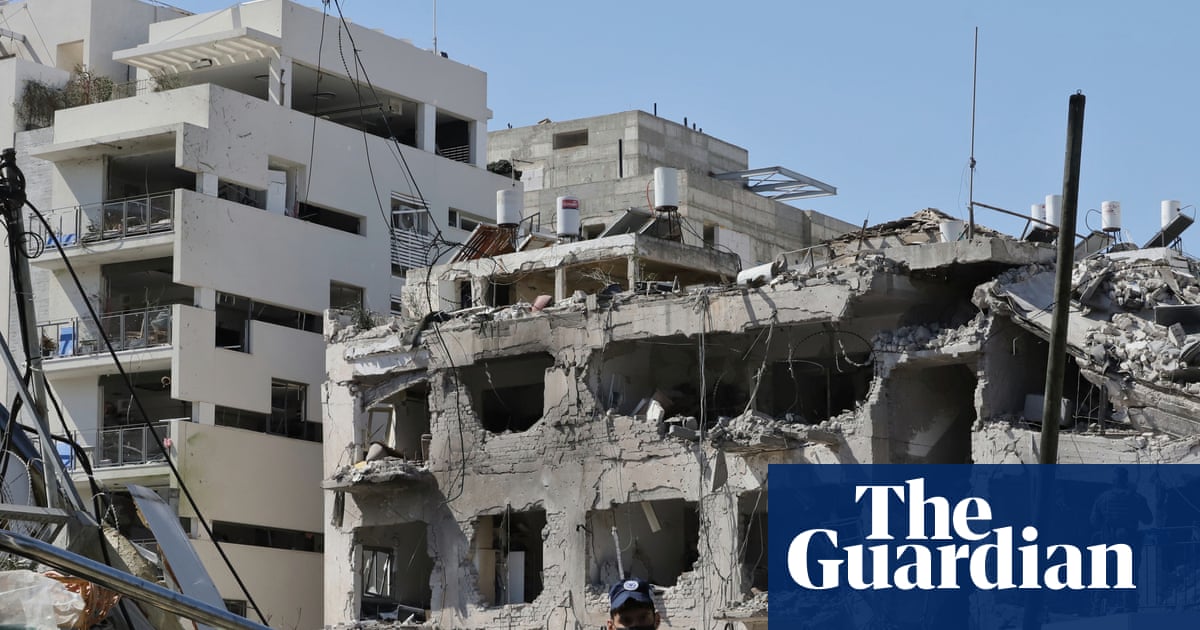
Tuesday’s announcement by the Ministry of Diaspora Affairs comes amid fierce storms that in recent days have destroyed thousands of tents in Gaza, exacerbating an already acute humanitarian crisis.
Foreign ministers of 10 nations expressed “serious concerns” about a “renewed deterioration of the humanitarian situation” in the devastated territory, saying the situation was “catastrophic”.
“As winter draws in, civilians in Gaza are facing appalling conditions with heavy rainfall and temperatures dropping,” the ministers of Britain, Canada, Denmark, Finland, France, Iceland, Japan, Norway, Sweden and Switzerland said in a joint statement released by the UK’s Foreign Office on Tuesday.
The statement added that “1.3 million people still require urgent shelter support. More than half of health facilities are only partially functional and face shortages of essential medical equipment and supplies. The total collapse of sanitation infrastructure has left 740,000 people vulnerable to toxic flooding” .
The ministers called for the UN and its partners to continue their work in Gaza, and for the lifting of “unreasonable [Israeli] restrictions on imports considered to have a dual use”.
Hundreds of items have been blocked by Israel from entering Gaza on the basis that they may be used by Hamas to rebuild tunnels or for military purposes. The items include some vitally needed medical and shelter equipment.
The ministers also called for the opening of crossings to increase the flow of humanitarian aid into Gaza, saying that corridors for moving goods remained closed or severely restricted for humanitarian aid, including Rafah, the biggest entry point that leads directly to Egypt.
“Bureaucratic customs processes and extensive screenings are causing delays, while commercial cargo is being allowed in more freely,” the statement said.
“The target of 4,200 trucks per week, including an allocation of 250 UN trucks per day, should be a floor not a ceiling. These targets should be lifted so we can be sure the vital supplies are getting in at the vast scale needed,” it added.
Under the 20-point agreement that allowed a fragile ceasefire to come into effect in October, Israel is obliged to allow “full aid” to be “immediately sent into Gaza”.
The ceasefire ended two years of relentless conflict, but further progress towards a lasting peace deal has stalled, with Israel saying it will not withdraw from the 53% of Gaza that is still under its control until Hamas disarms and returns the remains of the last hostage it is holding. The Islamist militant organisation has so far refused to commit to full disarmament.
Speaking on Monday, Donald Trump said that he hoped “reconstruction” could begin soon in the Palestinian territory, reduced to ruins by Israeli offensive in response to Hamas’s 7 October 2023 attacks, but gave no details.
Israeli officials said they had given ample warning to aid organisations about the new registration requirements and that about 15% of nongovernmental organisations working in Gaza had not had their permits renewed.
“Humanitarian organisations that fail to meet security and transparency requirements will have their licences suspended,” the ministry said, adding that those that “refused to submit a list of their Palestinian employees in order to rule out any links to terrorism” had received formal notice that their licences would be revoked as of 1 January.
NGO officials have previously told the Guardian that the new requirements clashed with European data protection legislation, and could endanger their staff.
In its statement on Tuesday, the Israeli ministry alleged that an investigation had found that MSF employed two individuals with links to Palestinian militant groups: an alleged sniper with Hamas and a member of Palestinian Islamic Jihad.
MSF said it “would never knowingly employ people engaging in military activity”.
The ministry’s statement did not say whether MSF’s licence had been revoked.
“In terms of registration, MSF continues to engage and discuss with Israeli authorities,” the NGO said. “We have not yet received a decision on re-registration.”
The allegations against MSF echo those made by Israel against Unrwa, the main UN agency working with Palestinians in the region.
A law passed on Monday in Israel will force electricity and water companies, communications providers and banks to cut Unrwa off from any services. Previous laws stopped the agency from operating in Israel and ended all government contact.
The international court of justice, the UN’s highest court, cleared Unrwa of the allegation that it was not impartial.
Coordination of Government Activities in the Territories (COGAT), the Israeli agency responsible for the administration of Gaza and the occupied West Bank, said that the organisations whose operations in Gaza will now be suspended had not supplied the territory with any aid since the ceasefire that came into effect in October, and had only contributed about 1% of the total aid volume previously.
“Accordingly, the implementation of the government decision will not result in any future harm to the volume of humanitarian aid entering the Gaza Strip,” it said.
Other major organisations whose permits have not been renewed include Care International, and divisions of major charities such as Oxfam and Caritas, according to a list from the ministry. All help provide a variety of social services, including food distribution, healthcare, disability services, education and mental health.
The ministry said the groups were given 10 months to provide the requested information but “nonetheless failed to comply with the requirements”.
The ministry said that by late November approximately 100 registration requests had been submitted and “only 14 organisation requests have been rejected”.
“The remainder have been approved or are currently under review,” it added.