2 months ago
100
2 months ago
100
The UK’s competition watchdog has ordered vets to cap written prescription fees at £21, and practices will have to publish price lists in a crackdown on rising fees.
The Competition and Markets Authority also said a costcomparison website would be introduced to increase competition and drive down costs.
These are just some of the measures due to come into force later this year.
The Guardian spoke to pet owners in the UK about their experiences with vet bills. Many felt prices had increased so much that they were becoming difficult to afford.
Others were concerned they were paying “over the odds” for medication when it could be bought cheaper online.
Many people who contacted us also spoke up for their vets, saying that while treatment was expensive, they felt they were made fully aware of what they were paying for. Here are some of their responses.
‘It just feels like they’re pulling figures out of the sky’
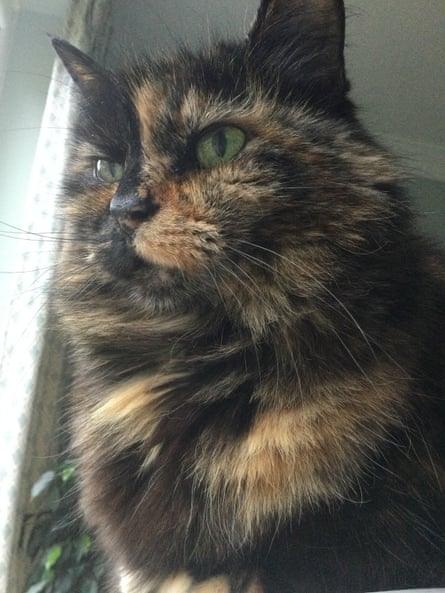
Anna Radley, a retired co-director from Wiltshire, said she was left angry after being quoted £1,400 for dental treatment for her cat, which was more than double what she ultimately paid elsewhere.
Radley has been caring for Perdy, an older stray cat she inherited from her mother, for the past 12 years. “We’ve only ever had strays in my family,” she said. “You look after them.”
Perdy, who is uninsured, developed gum disease and first had treatment in about 2021, costing about £200. But when Radley returned to the same practice two years later, by then taken over by a larger company, she was quoted £1,400.
“I expected it to be a bit more expensive, maybe £400 or £500,” she said. “But £1,400 was just unbelievable.”
Radley challenged the estimate and asked for a breakdown of the costs, but said she struggled to get a clear explanation. “It was all jargon. You’ve got no real benchmark.”
Instead, she took Perdy to a different, independent vet. The procedure, which included multiple extractions, X-rays, blood tests and follow-up care, cost £627.
“The difference was shocking,” she said. “It just feels like they’re pulling figures out of the sky.”
She believed rising costs risk deterring people from seeking care for their pets. “These kinds of fees undermine the very purpose of veterinary healthcare,” she said. “If we can’t afford to look after them, animals are going to be abandoned or untreated.”
‘I felt anxious and guilty, so I paid’
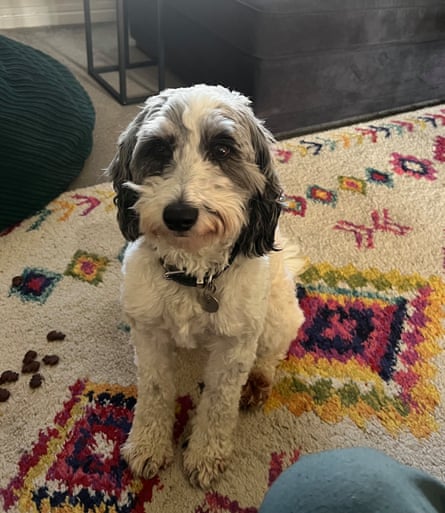
Kim, 68, who lives in Wiltshire, said she was left annoyed when she took her dog, Suki, to the vet after the cockapoo developed an eye problem.
“I paid £35 before I even walked through the door,” she said of the vet, which is part of a chain.
She was told Suki, four-and-a-half, who is insured, had an infection and was prescribed antibiotics costing £48 plus the cost of painkillers.
But after the course of antibiotics, Suki had not improved. Kim returned to the vet. She paid £35, and again was prescribed antibiotics for £48 and painkillers.
After the antibiotics had run their course, Suki was still not right.
Kim, who is retired, said her insurance company told her to ask for the prescription because they could get the antibiotics cheaper.
When she went back to the vet, after paying another £35, she did just that. She was told a prescription would “take a few days to order them” and that Suki “really needed to start on them that evening”.
“I felt anxious and guilty,” Kim said. “So I paid the £48. I wouldn’t do that again. I’ve learned.”
Suki’s issue persisted, so Kim went back to the vet again. The vet then referred Suki to an eye specialist who performed a small operation on her.
“My bill was just over £1,500,” said Kim, adding that the antibiotics she was prescribed “could be bought much cheaper online”.
“I feel very annoyed as I believe a referral to the eye specialist should have happened after no improvement after the first lot of antibiotics, this would have saved me a lot of money in prescriptions and vet appointments,” she said.
“I’d be quite reluctant to go back to the vet. Obviously, if she were injured or she was really sick, I would, but it’s made me quite wary. You put your trust in vets because you think they do what they do because they actually care about animals, but actually, it’s all about money-making.”
‘You just have to take the vet’s word for it’
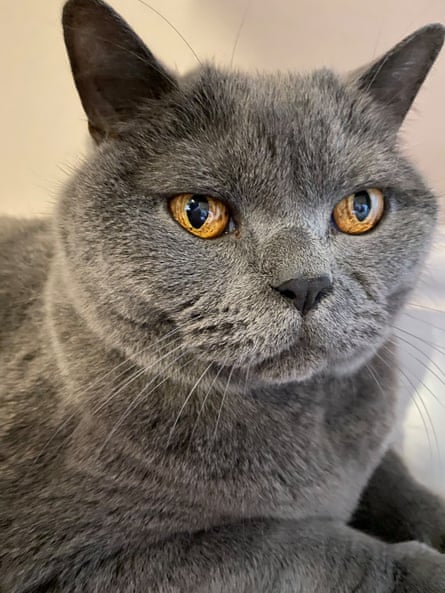
Vikki White, a freelance editor from Manchester, said the rising cost of treating her 11-year-old British blue shorthair cat, Humphrey, had left her feeling “at a massive disadvantage”.
Humphrey was diagnosed with rheumatoid arthritis in 2024 after his back legs began collapsing. “I thought it was something really serious, like a stroke,” she said. “So in a way it was a relief as it’s manageable, but it’s an expensive condition.”
He now receives monthly injections of Solensia at the vet. Initially costing £113 a month, the price has risen to £125. White’s insurance covered the treatment for a year, but because arthritis is a chronic condition, she must now pay out of her own pocket.
Recently, a nearby independent clinic quoted her £85 a month for the same injections, £40 less. “That’s a significant difference,” she said.
Despite the potential savings, she was reluctant to switch. “My cat has had quite a few health problems and his vets know him. I’m worried about moving him and then regretting it,” she said.
White said the lack of clarity around pricing made it difficult to judge what was fair. “I feel like, a bit like when you take your car to a garage, you just don’t know what you should be charged,” she said. “You just have to take the vet’s word for it. And because your cat is like family and you would do anything for them, they really have you.”
She believed greater regulation would help. “Standardising fees would be great.”
‘People are loyal to their vets, but they should shop around’
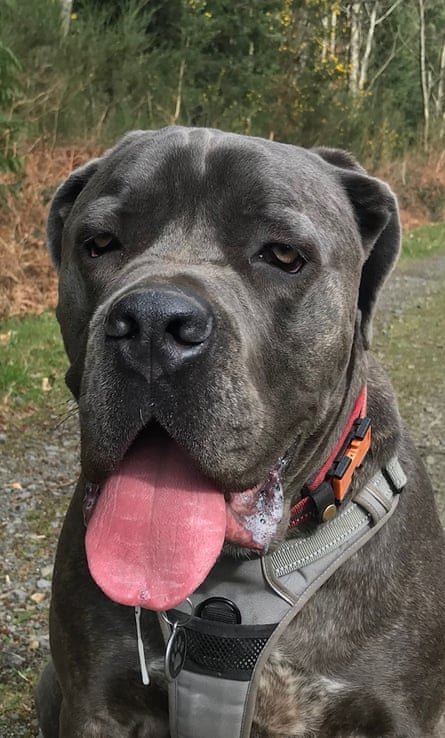
Paul, 60, said he would travel to France for non-emergency treatment for his cane corso, Benny, as he believed it would work out cheaper.
Last September, Benny, who is four in June, suffered a bee sting on the back of his throat.
Paul, who is semi-retired and recently returned to the UK after living in France, contacted a vet in the Brighton area, which is part of a chain. He was quoted £1,200 and told Benny would have to be “examined, X-rayed, sedated and registered for a new UK passport as he had a French passport”.
Paul decided to ring around and was also quoted £600 to £800. Another vet, also part of a chain, said they could treat Benny for £72.
“That’s a huge price difference,” he said. “They also offered free follow-up advice.”
He said he would combine using this vet with visits to France for treatment.
“Even after paying for a return ferry crossing, petrol and vet’s fees, I’d still be saving compared to UK prices,” he said.
Paul welcomed more price transparency, but said people should “shop around more” as the prices are “not standardised”.
“The prices will probably still be high,” he said. “They’ll just be advertising how high they are. But people are loyal to their vets and won’t ring around, because they’ve had their vets for 20 years – they’re a captive audience.”