2 months ago
68
2 months ago
68
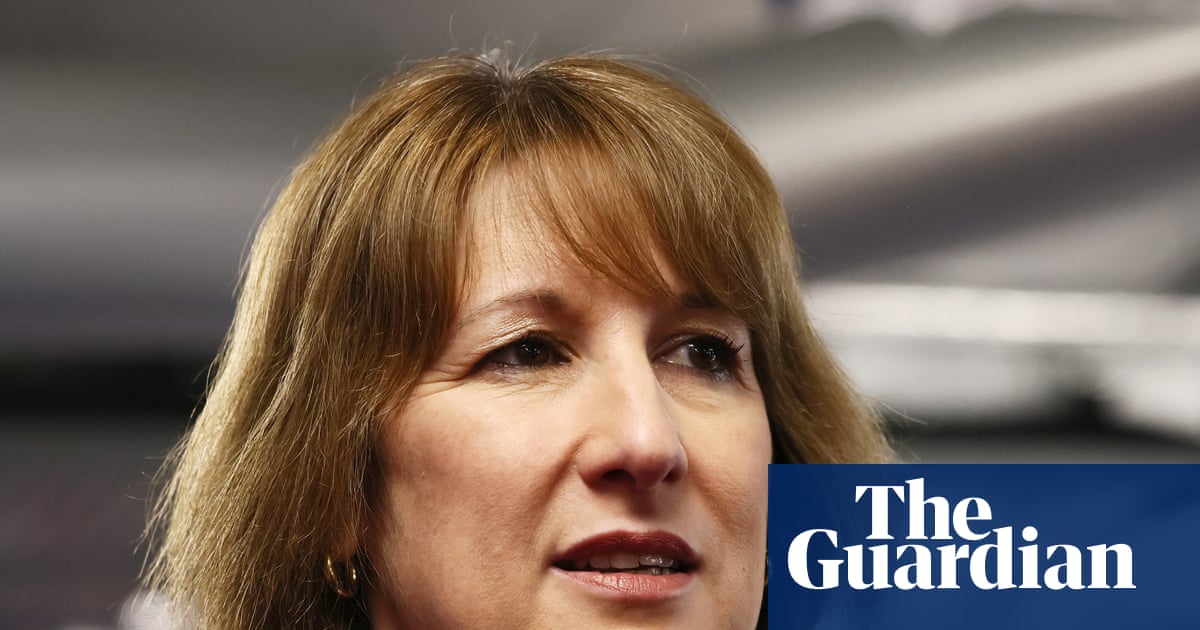
The new chair of the Equality and Human Rights Commission has asked campaigners who raised doubts about her appointment to “judge me on what I do”.
In one of her first media interviews since her appointment at the start of December, Dr Mary-Ann Stephenson pledged to “uphold the rights of everybody across all protected characteristics”, after the UK government overruled the objections of parliament’s women and equalities committee about her suitability for the job.
Stephenson argued that open letters she had signed opposing censorship on campus and violence against campaigners had been “really widely mischaracterised as kind of anti-trans letters”.
Instead, she said, they were in line with her “lifelong commitment to protecting and upholding human rights, including the right to freedom of expression and freedom of association and basic democratic rights”.
Stephenson donated to the 2022 campaign of the barrister Allison Bailey, who was found to have been unlawfully discriminated against by her chambers for her gender-critical views.
Asked what she would say to those who may feel she had taken a side in the debate, Stephenson said: “I was concerned about women who had been harassed or sometimes lost their jobs for the expression of legally protected views at a point when there was a public debate about changing legislation.”
She went on: “I would say, you know, judge me on what I do. I am really keen, I think it’s really important for the chair of the EHRC to uphold the rights of everybody across all protected characteristics.”
Acknowledging that “clearly I need to build a relationship” with the LGBTQ+ sector in her new role, she said: “I think it’s really important when we’re looking at this issue around single-sex spaces, to make sure that you also protect the rights of trans people.”
A number of LGBTQ+ organisations raised objections to Stephenson’s prior public statements after she was announced as the government’s preferred candidate. An open letter signed by Stonewall, Galop and TransActual, among others, said: “We recognise that Dr Stephenson has an impressive track record in the sector. However, she has also previously supported views seen at odds with inclusivity for all.”
Stephenson’s most pressing challenge in the new role is the formal guidance on how public bodies, businesses and other service providers should respond to April’s landmark supreme court ruling on biological sex that the equalities watchdog submitted to the government for approval in September.
Her predecessor, Kishwer Falkner, has criticised the amount of time ministers have taken to approve the new rules, while a leaked draft last month suggesting transgender people could be banned from single-sex spaces based on how they look caused consternation among LGBTQ+ advocates.
Stephenson said she did not accept the characterisation that this was “a licence to discriminate based on looks”. She said: “I think my starting point in all of this is that you have to ensure that everyone, as far as possible, has access to the services they need.”
She said it was “important to make sure that there are services provided for people who can’t or don’t want to use the services for their biological sex. It is about recognising that everybody has rights in this situation, but where you are providing single-sex services, the supreme court has said those have to be on the basis of biological sex.”
The UK government has previously insisted it will take as much time as necessary to “get right” new rules on access to single-sex spaces.
Asked if she would be prepared to accept changes to the draft guidance from ministers, Stephenson said she believed it was “legally sound” and that the EHRC was “really happy to provide [the government] with any evidence that they need”.