1 month ago
78
1 month ago
78
Fran Kranz’s 2021 film Mass, featuring two sets of parents whose sons have died in a high-school massacre, was originally written as a play. Restored as such, in Carrie Cracknell’s production, it takes place in the backroom of a church where their across-the-table encounter encapsulates a pained instance of restorative justice.
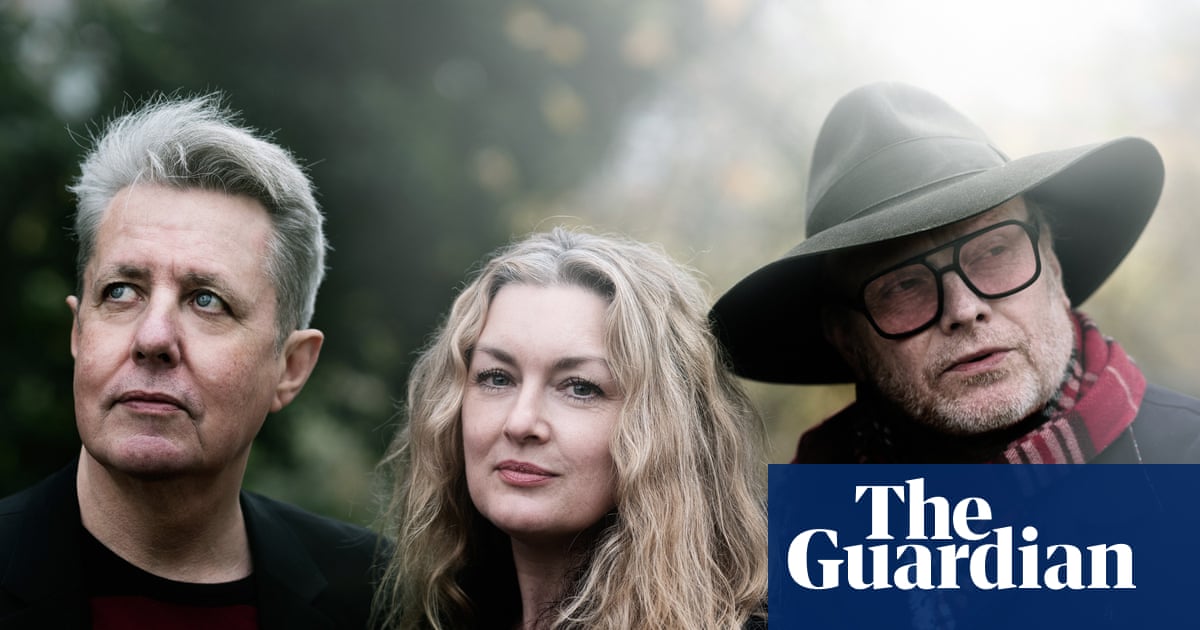
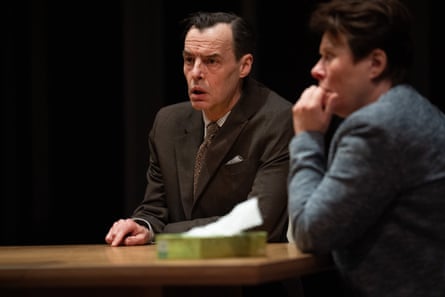
Gail (Lyndsey Marshal) and Jay (Adeel Akhtar) are the parents of Evan, one of 10 children murdered by the teenage shooter, Hayden, the son of Richard (Paul Hilton) and Linda (Monica Dolan), who then killed himself.
Evan’s parents want to understand why Hayden committed such violence but there is also an unspoken sense of blame buzzing around them. Hayden’s parents address this first: we blame ourselves, they say, again and again, yet in one dangerous moment, they posit the notion of separating who their son was, and what he did.
The stark, unflinching treatment of this subject matter is well realised on Anna Yates’s set, where two office-style storeys stretch across the stage, and it does not sugarcoat the emotionally messy nature of the process. Both sides are explored. One terrible instance of maternal anguish comes from Linda when she speaks about a threatening memory of her son and for this charged moment, the play enters the emotional territory of Lionel Shriver’s We Need To Talk About Kevin.
Kranz’s script swerves away from debates on gun violence deftly: the parents have not made the journey to talk politics, Gail makes clear, but to enter into much more personal terrain. Like Jack Thorne’s Adolescence, it also throws into relief the issue of troubled teenage boys who retreat into online silos.
It is hard to beat the force and sensitive performances of Kranz’s film but Hilton is masterfully brittle, his entire being sunken with apology, while Dolan is whey-faced and shaky. The always brilliant Akhtar is angrier and edgier than his film counterpart and Marshal brings a moving softness.
Like the film, it takes time to build in intensity, with the awkward arrangements of the opening and the small talk. There is not the same reflective space of the film, which pulls away from the claustrophobia and pain in the room at key moments. Here, there is no looking away.
The play works on two levels: as a drama of forgiveness and of polarisation. What would happen if any of us sat down with those at the furthest ideological extreme from our own, however unpalatable their views? Listening is the pathway towards empathy for these characters, even if there is desire for vengeance or vindication along the way. By the end, they are all parents who have lost sons, grieving over this tragedy in different ways.