3 months ago
144
3 months ago
144
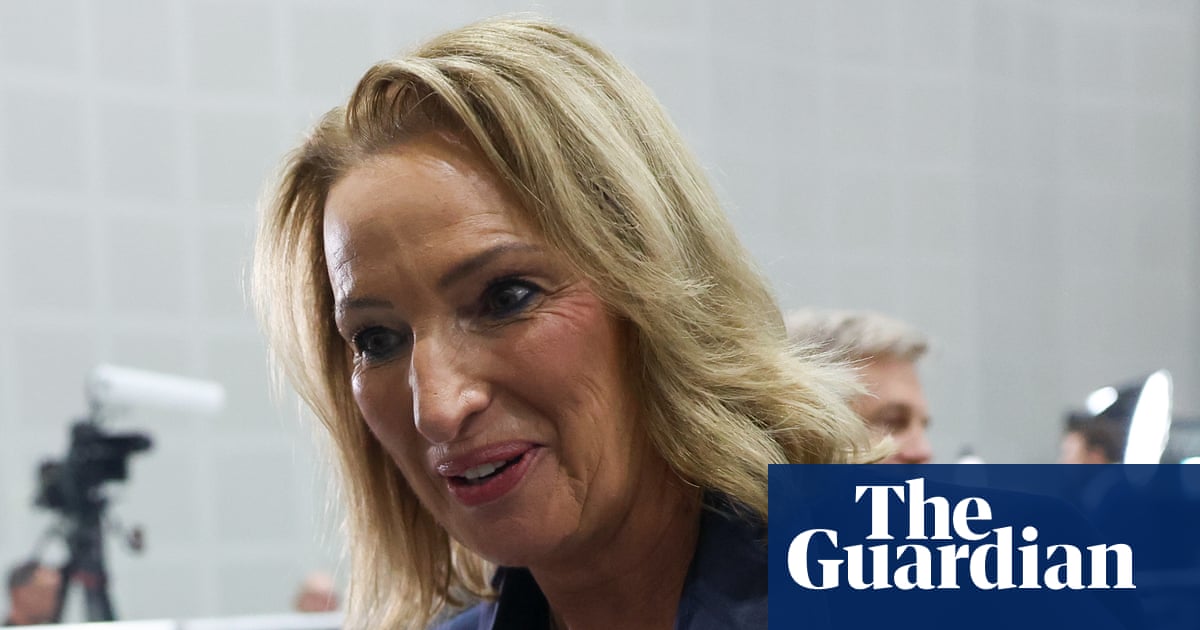
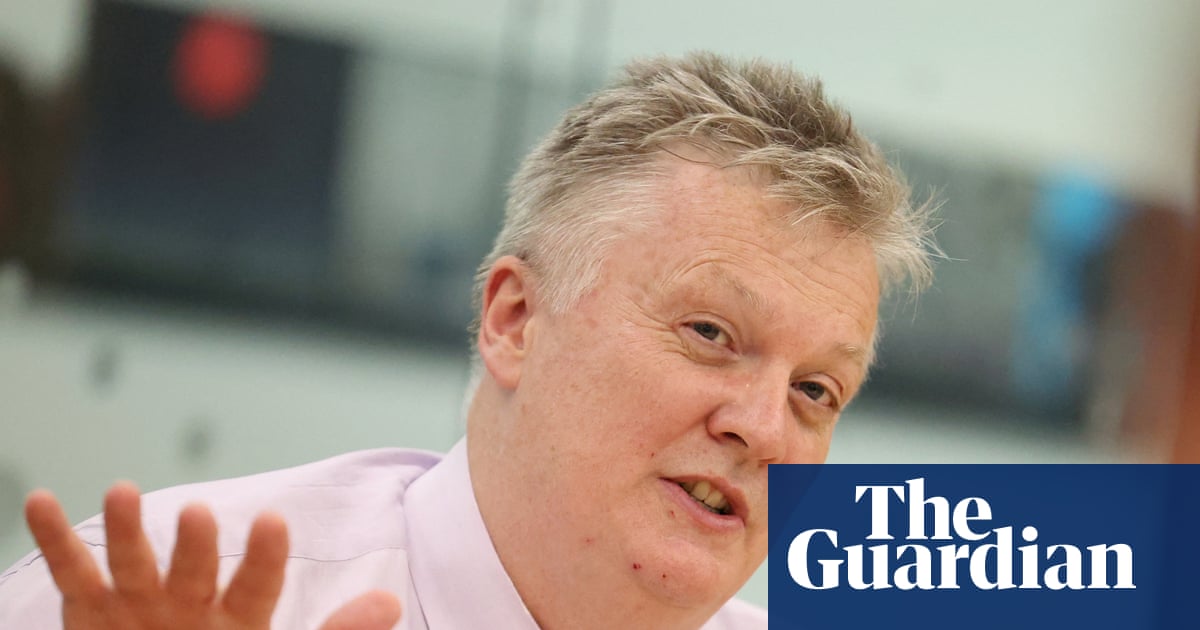
The basic annual salary of MPs will soon rise to £110,000, the expenses watchdog has said, on the grounds of increased abuse and intimidation as well as growing constituency workloads.
This April, MPs’ basic pay will rise by almost £5,000 to £98,599, a jump of 5% – and it is expected to reach £110,000 by the end of the parliament.
The Independent Parliamentary Standards Authority (Ipsa) said the pay had been benchmarked against other similar roles in the public sector as well as parliamentarians around the world in similar democracies.
It awarded an increase that was significantly above inflation – a 3.5% increase for the cost of living and a further 1.5% “benchmarking adjustment”.
“The role of an MP has evolved,” said Ipsa’s chair, Richard Lloyd. “MPs are dealing with higher levels of complex casework than ever before, driven by economic pressures and global and domestic events. Abuse and intimidation towards MPs and their staff have also been growing, and there are increasing risks to their safety.”
MPs do not determine their own salaries, which have been set by Ipsa since the expenses scandal in 2009. The Taxpayers’ Alliance said the rise would come in sharp contrast to that experienced by many others working in the private sector.
“Taxpayers will be seething to see politicians receive an inflation-busting pay rise, all while they suffer a personal recession,” the lobby group said. “Politicians should not be insulated from the consequences of their own actions. Their pay should be linked to real living standards measured by GDP per capita.”
The increase by the end of the parliament will take MPs’ salaries over the £100,000 threshold for the first time – a tax band that has come under scrutiny in recent years because it involves the loss of the personal allowance as well as tax-free childcare and free childcare hours.
In the “£100k tax trap”, those whose earnings increase to between £100,000 and £125,140 can in effect be left worse off, particularly if they have children and lose their childcare entitlements – now likely to apply to a number of MPs with small children.
Ipsa said it would seek in the coming years to “consider prevailing economic and fiscal conditions when confirming our future annual pay decisions for MPs, taking into account the experience of people outside of parliament”.
In a recent survey conducted for a speaker’s conference on the rise of abuse of MPs, 96% of MPs and 69% of MPs’ staff who participated said they had experienced one or more forms of abuse in their role.
About one in three participating MPs said they had considered not standing for re-election, and one in six had considered resigning from public office because of the abuse they received.