2 months ago
81
2 months ago
81
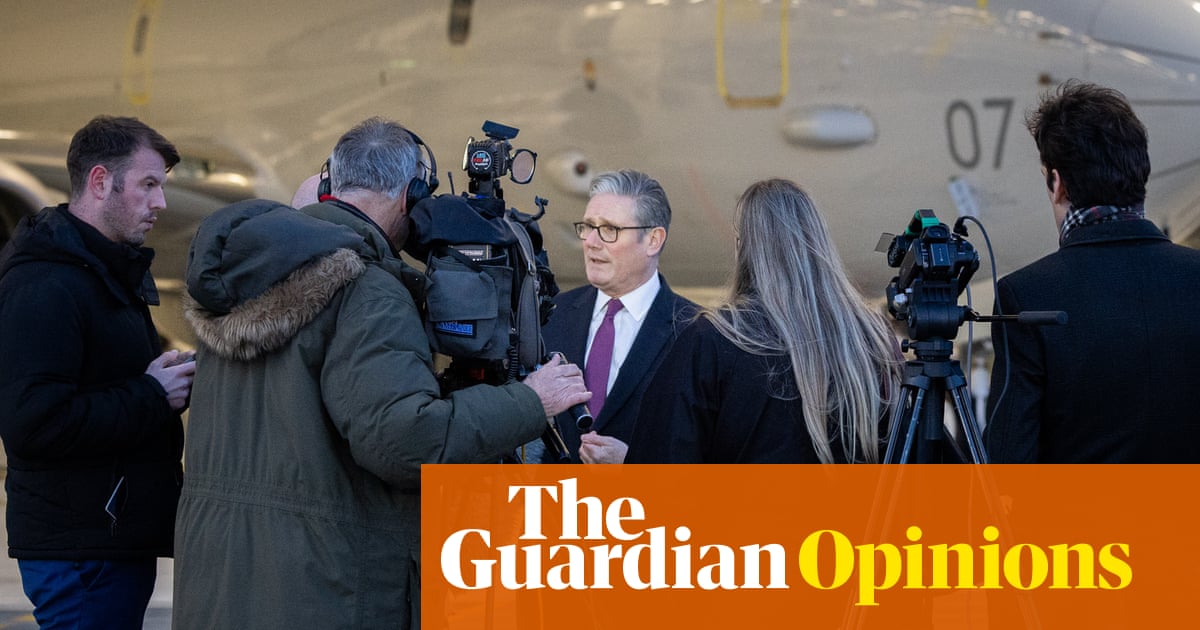
Downing Street has defended its campaign for the release of a British-Egyptian activist and decision to welcome him to the UK despite his “abhorrent” tweets a decade ago.
Alaa Abd el-Fattah, who arrived in London on Boxing Day after the British government successfully negotiated his release, apologised “unequivocally” for his posts after opposition parties called for him to be deported and his citizenship revoked.
Successive governments led by the Conservatives and Labour have advocated for Abd el-Fattah’s release over the past 10 years, which he has spent almost entirely in prison in Egypt for his political beliefs, including his opposition to the treatment of dissidents.
Keir Starmer said he was “delighted” by Abd el-Fattah’s arrival on Friday, but the development triggered a political storm after historic tweets were unearthed including some in which he called for Zionists to be killed.
The prime minister’s spokesperson defended the handling of the case, saying: “We welcome the return of a British citizen unfairly detained abroad, as we would in all cases and as we have done in the past. That is central to Britain’s commitment to religious and political freedom.
“It doesn’t change the fact that we have condemned the nature of these historic tweets and we consider them to be abhorrent.”
In one resurfaced tweet from 2010, Abd el-Fattah said he considers “killing any colonialists and specially Zionists heroic, we need to kill more of them”. In 2012, he posted: “I am a racist, I don’t like white people.” He is also accused of saying police do not have rights and “we should kill them all”, and referring to the British as “dogs and monkeys”.

Downing Street said Starmer had not been “aware of the historical tweets” until after Abd el-Fattah entered the UK. The development raised questions about what vetting took place before he was granted UK citizenship in 2021 and what research the government carried out before it took up his case with the Egyptian authorities. Successive prime ministers including Boris Johnson and Rishi Sunak have campaigned for his release.
The Foreign Office is looking into issues raised by the handling of the case, but government sources indicated that Abd el-Fattah was eligible for British citizenship through his mother without having to undergo character checks.
The Conservatives and Reform UK have both suggested he should be removed from the UK for the posts and have his British citizenship revoked, even though the law does not appear to provide grounds for either action.
Other MPs have condemned Abd el-Fattah’s historic posts but called for a more measured response. Emily Thornberry, the Labour chair of the foreign affairs select committee, said: “For those of us who campaigned for his release it is extremely disappointing to see these tweets and they cannot be condoned in any way.”
“That doesn’t mean, however, that it would be right to take away his nationality and send him back to Egypt where we can see that in a period of 10 years he spent most of the time in jail just for campaigning for human rights and democracy.
“If his apology today is heartfelt and genuine then he won’t need reminding of this, but it is against the law to incite religious hatred and violence, and he needs to stay within the law in the UK.”
John McDonnell, the Labour MP for Hayes and Harlington, said Abd el-Fattah had been “a furious young man, angry at the brutality of what he saw around him, especially the plight of the Palestinians”.
McDonnell added: “His appalling social media interventions were the product of that anger and had been exposed over a decade ago. But that’s the point, Alaa’s journey was from someone who could send these vile tweets to becoming an advocate for dignity, respect and human rights for all, a defender of the oppressed and persecuted no matter what their religion, gender or sexuality.”
In an apology issued on Monday, Abd el-Fattah said he understood “how shocking and hurtful” his previous comments were but that some had been misconstrued.
“They were mostly expressions of a young man’s anger and frustrations in a time of regional crises (the wars on Iraq, on Lebanon and Gaza), and the rise of police brutality against Egyptian youth. I particularly regret some that were written as part of online insult battles with the total disregard for how they read to other people. I should have known better,” he said.
He stressed that he took “accusations of antisemitism very seriously”, adding: “I have always believed that sectarianism and racism are the most sinister and dangerous of forces, and I did my part and paid the price for standing up for the rights of religious minorities in Egypt.”
Dan Dolan, the deputy executive director of the human rights organisation Reprieve, said: “Suggesting that someone should be stripped of citizenship for something they posted on social media, however bad, is authoritarian overreach of the worst kind and a deeply dangerous step. In a country governed by the rule of law, politicians should not have the power to strip the legal rights of whomever they choose.”
Abd el-Fattah was a prominent voice in Egypt’s 2011 Arab spring uprising and went on hunger strikes behind bars. In 2014, his posts on Twitter cost him a nomination for the European Parliament’s Sakharov Prize.