5 hours ago
7
5 hours ago
7
Apple’s recent product launch caused headlines around the world as it unveiled its first folding phone. But hidden in the slick technology showcase was a nasty surprise: a £100 increase in the price of all iPhones, including older models.
It is blamed on “RAMageddon”, which has reversed a decades-long trend of electronics becoming cheaper. It is the fallout from the AI gold rush hoovering up every memory chip available for vast datacentres. This has led to a severe shortage of the chips, and other critical components, for electronics, including phones.
The situation has dramatically driven up costs, with some chips five times dearer than previously listed. Therefore the everyday electronics products people rely on are suddenly significantly more expensive to make, and that is being passed on to consumers.
“Two things are happening at once,” says Francisco Jeronimo, the vice-president of client devices at research company IDC. “Component costs have risen sharply, with memory alone up more than 300% year on year.”
Because older iPhones use the same expensive memory as the new ones, Apple is pricing them as current products, he adds.
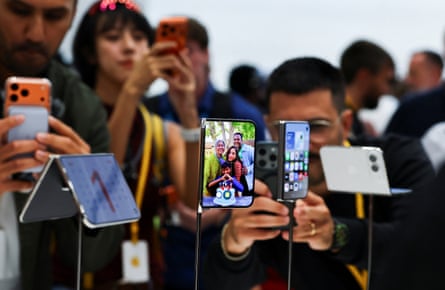
The iPhone is not the first product to have a “RAMageddon” price increase, but it is the single biggest-selling electrical product in the world. For many, this means the real cost of the AI splurge will be £100 without getting anything more for your money.
Other manufacturers of smartphones have also increased the price of new models, with Samsung and Google adding up to £80 to their flagship phones.
Apple has also increased the price of its refurbished stock by £60 to £70, including the older iPhone 15 that is no longer sold new in the shops. However, according to data from Uswitch, the increase in cost has yet to reach the third-party refurbished iPhone market.
“A refurbished iPhone 16 has held at about £503 all summer, roughly where it was before the 18 Pro launch,” says Ernest Doku, a Uswitch mobiles expert. “A refurbished 14 is about £10 cheaper than it was in June, while the 16 has simply stopped falling in price.”
Most smartphone makers, other than Apple, have discontinued older models that were no longer economically viable, and likely wouldn’t sell at higher prices. The impact has been particularly acute at the lower end of the market.
In its latest forecast, IDC predicts there will be the steepest annual contraction in worldwide smartphone sales on record this year, falling almost 17% to just over 1bn handsets. “People are buying fewer phones and paying considerably more for those they do buy,” Jeronimo says.
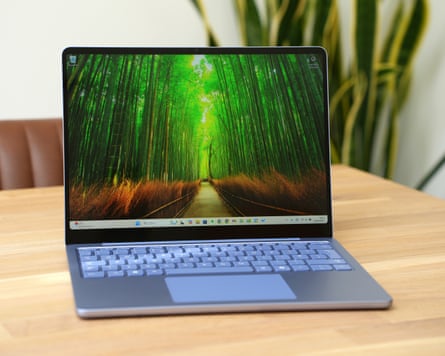
There have been bigger price rises for other electronics. Computer makers, which are much more exposed to rapidly jumping memory and chip costs, have had to raise prices several times over the past 18 months.
Microsoft added up to £220 to some of its Surface computers but also released versions with half as much memory as a way to attempt to keep prices down.
The move has forced the company to try to redesign Windows to run more comfortably with only 8GB of RAM, which it hasn’t for several years.
Many of PC maker Dell’s high-end laptops have jumped by as much as 25%, while the repairable laptop maker Framework has had to continually adjust prices as costs fluctuate.
Even Apple added £100 to its lower-cost MacBook Neo, as well as rises to most models in its Mac and iPad lines in June. “We have never seen a component price increase this much, this quickly,” the company says in a statement.
Games consoles aren’t immune, either. In a rare state of affairs, Microsoft recently increased the price of its near six-year-old console to £670, up from its original launch price of £449.
“Console storage and memory prices have increased by more than 2.5 times, and we expect another doubling by the autumn of 2027,” the company says.
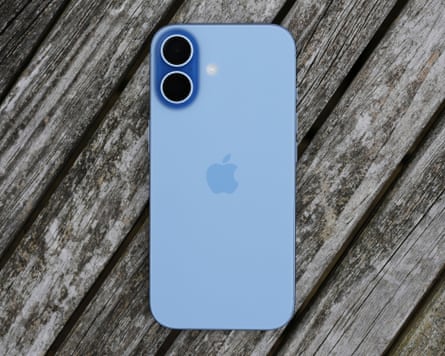
Unfortunately, £100 added to the cost of a phone may only be the start of the price pain, with key memory producers, including SK Hynix, suggesting the shortages could last beyond 2030.
Jeronimo says memory prices are going to continue rising well into 2027, even if the pace has slowed from the “extraordinary spikes” seen earlier this year. “Even once memory costs ease, I do not expect smartphone prices to fall back to the same levels as last year.
“Increases in this industry tend to be sticky. Once customers have absorbed a higher price and manufacturers have rebuilt their margins, companies hold the line and add value through storage or features, rather than cutting the ticket price.”
The bad news for consumers is that “the era of cheap smartphones – or any device to be honest – is over,” Jeronimo says.