3 months ago
98
3 months ago
98
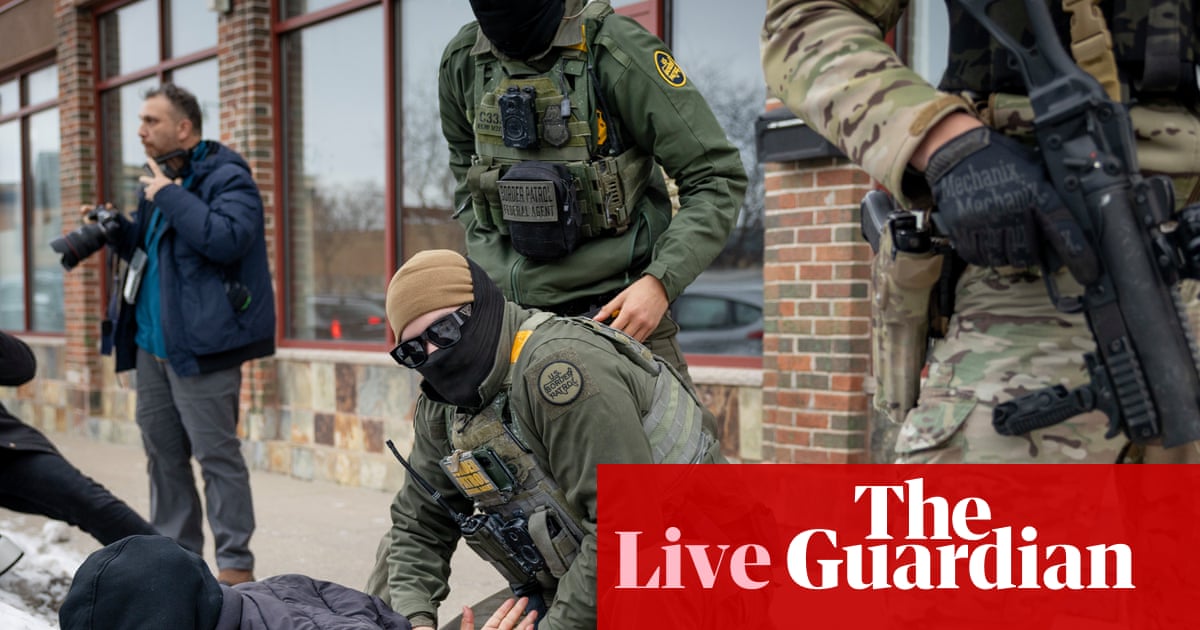
On 24 January, Alex Pretti was killed by federal agents while he was helping another civilian in Minneapolis who had been knocked to the ground – just weeks after an ICE agent killed Renee Good. In response to this second killing of a Minnesotan, demonstrations spread across the United States to protest the Trump administration and its ultra-violent immigration enforcement tactics.
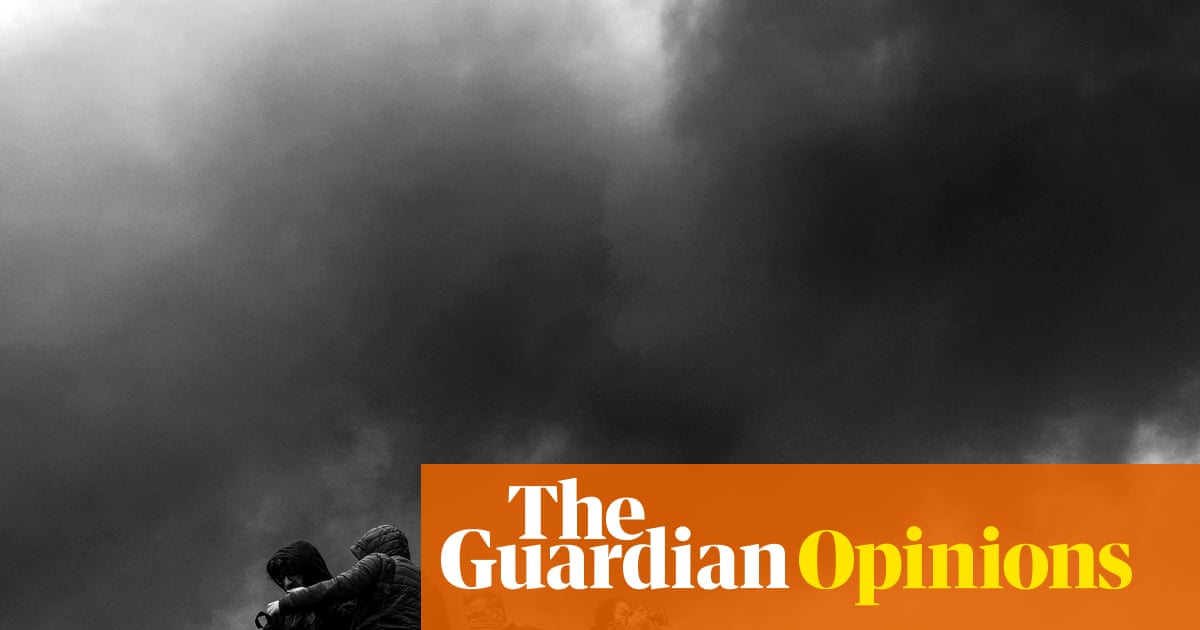
Minneapolis has been in a state of sustained protest. Its general strike on 23 January mobilized tens of thousands of Minnesotans to participate in an economic blackout and march in the streets. Solidarity protests, strikes and marches also took place across the country, including the Free America Walkout, which involved more than 900 local actions across all 50 states on the anniversary of Donald Trump’s second inauguration.
As part of a long-term project studying protest in America, which included documenting the resistance to the first Trump administration in my book American Resistance, I have been studying Resistance 2.0. The project aims to understand who is participating, what is motivating people to join this second wave of resistance, and the tactics being used by activists to protest the second Trump administration and its policies.
Resistance to the first Trump administration was laser-focused on converting outrage-motivated resistance in the streets into action at the ballot box. Throughout those four years, activists focused most of their efforts on bringing about social change through formal political tactics such as lobbying, legally permitted rallies, and voting. Evidence shows that it worked: the 2018 midterm election returned a Democratic majority to the House of Representatives and then Joe Biden was elected the 46th president of the US in the 2020 election, which had the highest turnout in over a century.
But this time it is different.
During the first year of the second Trump administration, we once again saw some of the largest protests in US history (though the protests were much more geographically distributed than during the first Trump administration). Although large-scale and legally permitted demonstrations continue to be scheduled, Resistance 2.0 has become more confrontational. Acts of nonviolent civil disobedience – such as blocking streets; following, recording and observing federal agents; and participating in general strikes and walkouts – have become much more common. And this is only the beginning.
Working with the organizers of the Free America Walkout, which involved participants walking out of work, school and commerce for two hours during the afternoon of 20 January, my team and I surveyed 7,452 people who had signed up to participate from across the US – about 15% of all the registered participants. Our data provide clear evidence that Resistance 2.0 will continue to get more confrontational.
An overwhelming majority of respondents to our survey (99%) reported that they support organizations engaging in nonviolent civil disobedience, including sit-ins and blockades. Moreover, when we asked participants about the degree to which they support the movement taking more confrontational actions against the Trump administration and its policies, and if they personally would be willing to join such actions, the results were unequivocal: 79% agreed that they “support social movements taking more confrontational action against the Trump administration” and 65% agreed that they “would participate in more confrontational action against the Trump administration if [they] had the opportunity”.
While criticism of the shift to more confrontational – but nonviolent – actions comes from across the political spectrum, including from mainstream Democrats, the expansion of what social movements scholars call the “repertoire of contention” is consistent with numerous successful social movements in US history.
In the early 1900s, for example, women involved in the American movement for suffrage started expanding their tactics as they realized that “Sometimes, being polite just doesn’t work.” The movement turned to occupying public spaces and even burning an effigy of then president Woodrow Wilson before women in the US finally earned the right to vote in 1920.
Similarly, activists from the civil rights movement shifted their strategy after realizing that they did not have the necessary access to power to make change through legal and political systems in the US. Instead, they employed more disruptive tactics, including staging sit-ins and coordinating non-permitted marches. Thanks in part to the diversity of tactics employed and groups involved, the Civil Rights Act was signed into law in 1964 and the Voting Rights Act became law in 1965.
While civil rights movement leaders trained activists in nonviolent civil disobedience, they were acutely aware that even nonviolent civil disobedience was likely to face a violent response from law enforcement and counter-movements. However, rather than cowering in fear, civil rights activists leaned into the violence against them, intentionally organizing actions in segregated areas that were likely to provoke a brutal response. As a result, many activists got arrested and filled the jails, and others were murdered.
In recent weeks, we have seen similar patterns of violence against peaceful protesters in Minneapolis. An unintended side effect of these horrible acts of violence is that they generate substantial public attention and support for protestors, which can be a useful tool for expanding the movement. Tragic events present opportunities for the broader resistance to grow and evolve.
What’s giving me hope now
The fact that Resistance 2.0 is expanding its tactics gives me hope. Americans are finding their voices and their power to push back against burgeoning autocracy. We are also seeing activists building solidarity with friends and neighbors along the way. The expansion of tactics and evolution of thinking about how citizens can push back against government violence and anti-democratic suppression is a step in the right direction. It is a sign that the people are mobilizing and working together to save America.
This moment of resistance to the Trump regime opens up a window of opportunity for social change. Achieving that change will require every one of us participating in actions for justice and equity that may take us out of our comfort zone and stretch us in ways that help preserve democracy. As unfair as it may seem, neither a charismatic leader nor the Democratic party is ready to be the change we need; we are going to have to work together to save ourselves.
-
Dana R Fisher is a professor in the School of International Service at American University and a non-resident senior fellow at the Brookings Institution. She is the author of Saving Ourselves (2024) and American Resistance (2019).