5 hours ago
15
5 hours ago
15
I’m sorry to break this to you, but you may be “Europoor”. This is, apparently, what proud American patriots (the kind who describe themselves in those terms on their flag-forward X profiles anyway) are calling us Europeans, mocking us for our low salaries, high taxes and dependence on public transport.
GB news presenter Tom Harwood declared this dig “entirely accurate”, but is it? Well, sort of. US post-pandemic GDP growth is more than double that of the eurozone (15.6% compared with 7.2%; the UK is even worse on 6.3%). As for wages, once you adjust for national differences in the cost of essentials such as housing, food and services, the US average is $86,977 compared with the UK’s $66,299, Germany’s $76,286 and France’s $60,483, according to the OECD. A Sunday Telegraph investigation of the “Europoor” question highlighted astronomically powerful growth of the US tech sector supercharged by AI, making it easy to raise and make big money unencumbered by “old world” regulation and taxation. “We don’t want to be like what Europe has become,” said the Republican pollster Brent Buchanan.
There are massive, obvious caveats. GDP is a wholly inadequate proxy for quality of life or even prosperity: the UN’s proposed alternative dashboard of 31 indicators includes the likes of “respect for the planet” and wealth inequalities, against which the US would surely take a beating. US mortality rates are higher than European ones and life expectancy is lower, so, when a medical diagnosis or accident could bankrupt you, how rich do you really feel?
But, actually, this Europoor stuff is hitting me where it hurts: my New York-based grad student son out-earns me, and his junior nurse girlfriend is paid six figures – that’s more than I made in a city law firm. Quite right – nurses should earn more than corporate lawyers – but it’s hard to imagine them ever choosing to live here in the UK (an NHS nurse’s starting salary is £32,073).
To console myself as I contemplate years of getting even Europoorer, flying long-haul to hug my son, I’ve been counting the ways we’re Eurorich. Sure, healthcare, social protections, holidays, blah blah – but what about the really important stuff?
Cheese
“The United States offers over 1,000+ cheese varieties and styles,” the Cheese from the USA website claims, to which I would counter: “But do any of them taste of anything?” I doubt a single Freedom Cheese can clear a train carriage like a ripe époisses.
Bikes
Apparently, Americans buy 130m bicycles a year, but I suspect that’s thanks to a handful of legmaxxing California billionaires. Anyway, 130m also feels like the number of bikes parked outside Amsterdam Centraal station on any given day (in 2019, 41% of Netherlanders said the bike was their main mode of transport).
Saints
The US has 11 saints – pathetic. I’ve seen the remains of more than 11 saints in a single European mini-break; Ireland alone has an estimated 1,000.
Wholesome food
Let’s take stock of this summer’s US food safety scares. Lettuce, blueberries, jalapenos, fruit bars, granola, eggs, alfalfa sprouts, mangoes, sourdough, tofu … basically anything healthier than Flamin’ Hot Cheetos is a gamble; Gwyneth Paltrow is probably claiming asylum in Puglia as I write.
Weird rulers
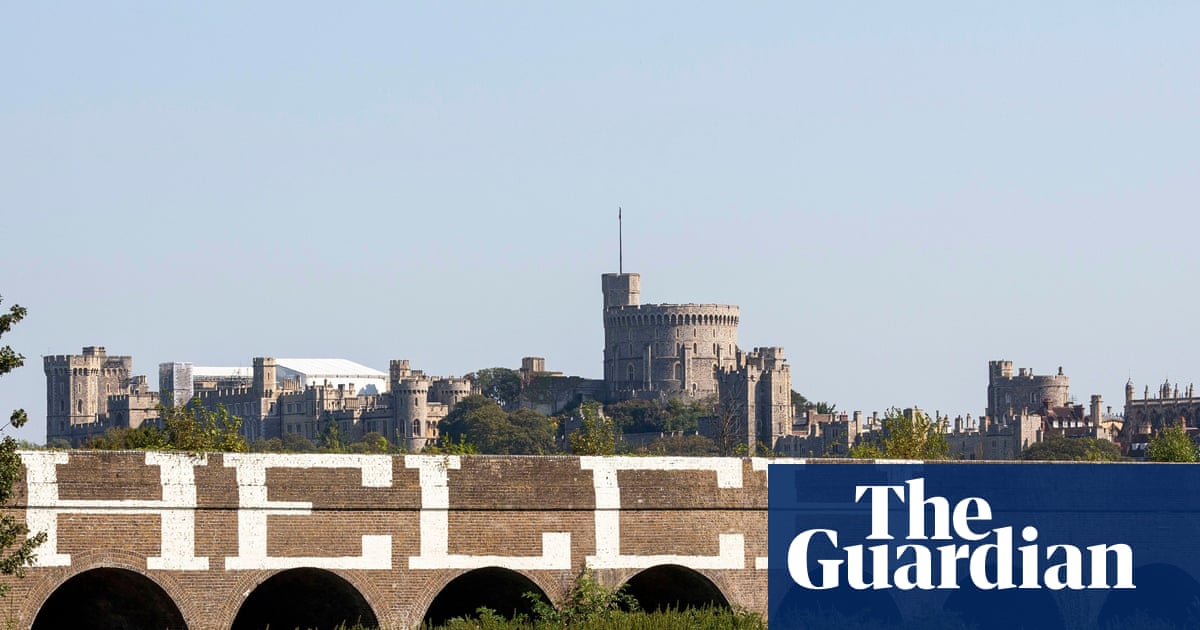
Sure, they have their stable genius, but nothing can match absolute monarchy and centuries of inbreeding for floridly unhinged leadership. Charles VI of France thought he was made of glass; the future Peter III of Russia court-martialled a rat for eating one of his toy soldiers.
Characterful teeth
The US has, I read, “entered the age of veneer regret”, with people rueing their decision to drop big money on massive, gleaming, Hollywood teeth. Not over here! We’ve still got teeth Breugel the Elder would recognise (in the UK it’s partly because we can’t access affordable dentistry, but sssh).
Disturbing folklore
Scratch the surface of any European country and some weird, sinister custom emerges. At Belgium’s Matî l’Ohê festival they mourn a bone by waving celery; Austria’s demon-chasing Perchten festival involves dressing like a horned haystack; in Wales’s Mari Lwyd, people take a horse skull on a pole from door to door singing for midwinter. In the name of carnival, we throw herring in northern France, execute a pretend mare in Czechia and hunt people dressed as bears all over the place. And really, what’s better – purchasing power or an annual opportunity to wave celery at a bone? I know my answer.