3 months ago
135
3 months ago
135
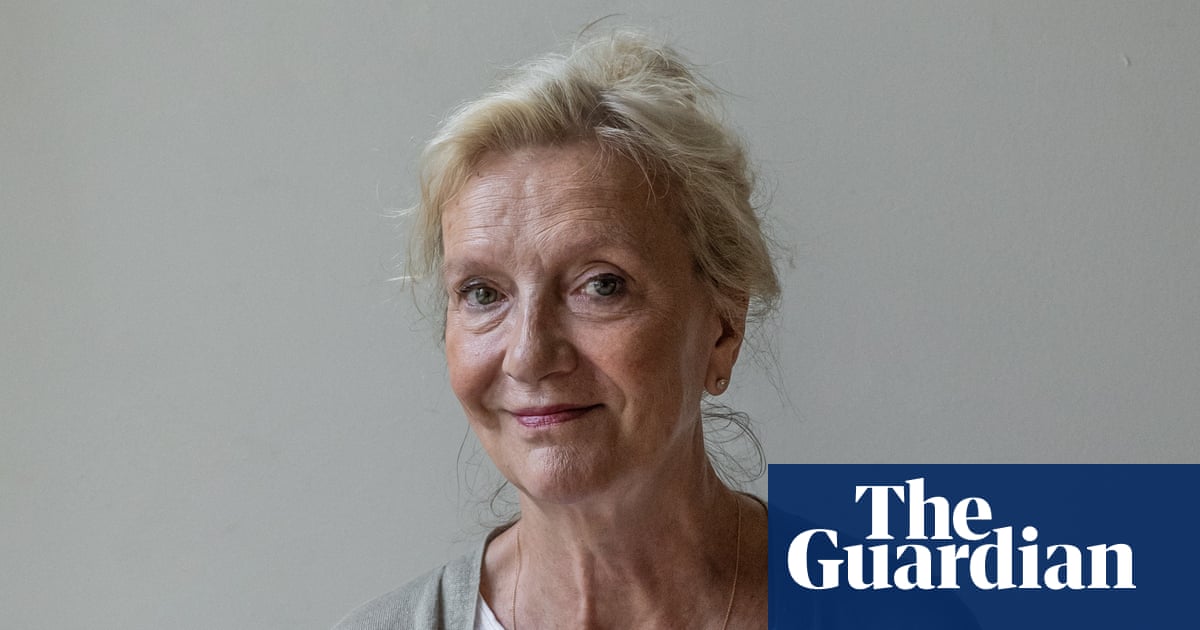
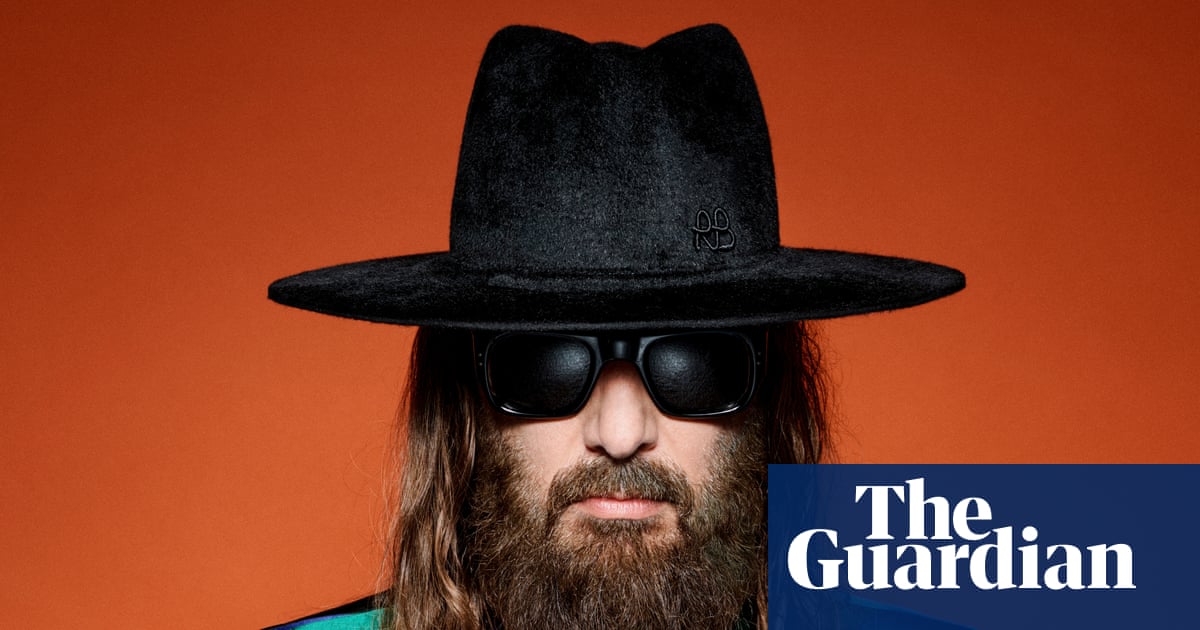
One of Spain’s best-known novelists has launched a withering attack on the country’s leading linguistic authority, saying it ignores the opinions of writers when it comes to changes in language, and that its “anything goes Taliban” yields instead to social media, commentators and influencers.
Arturo Pérez-Reverte used a column in Monday’s El Mundo to accuse the Spanish Royal Academy (RAE) – of which he is a member – of failing to live up to the mission laid out in its celebrated motto of “cleaning, fixing and giving shine” to the Spanish language.
These days “an illiterate pundit, YouTuber or influencer can have more linguistic influence than a Cervantes prize winner”, he said.
The author of the Captain Alatriste series lamented that the voices of professional writers who are members of the academy “scarcely count in the RAE today”. He wrote: “Many of them, whether alive or recently deceased, have pointed out mistakes, impoverishments and trivialisations of the language, only to find that the now-dominant sector of the academy – the ‘anything goes’ Taliban – ignores them or treats them as respectable, but irrelevant, opinions.
“That is really serious because writers don’t just preserve the language, they work with it and project it into the future.”
Founded in 1713, the RAE is entrusted with ensuring that “the changes experienced by the Spanish language in its constant adaptation to the needs of its speakers do not break the essential unity it maintains throughout the Hispanic world”.
Pérez-Reverte was particularly dismissive of the argument that the academy exists to record language rather than set out rules for its correct use. “If all majority usage, however vulgar or incorrect, is automatically considered valid, the very notion of correctness loses its meaning,” he wrote.
“And therein lies one of the problems. The current RAE accepts constructions that years ago it would have considered erroneous, not after in-depth linguistic debate, but due to external pressure. It yields too easily and frequently to mere media, political or social media usage.”
According to Pérez-Reverte, much of the blame lies with social media and the academy’s embrace of its terminologies.
“The RAE’s subservience to social media is damaging its image,” he said. “Academic standards are becoming colloquial; rigour is negotiable. Anything goes, and any bold ignoramus can, if they persevere, take precedence over Cervantes, Galdós or García Márquez.”
The academy did not respond to the Guardian’s requests for comment, but sources there told the Europa Press news ageny that Pérez-Reverte’s complaints, which it described as “a personal and, of course, respectable opinion”, would be rigorously analysed.
“The RAE plenary will verify whether it has the support of any other academics, the scope and accuracy of the data on which it is based, and, if necessary, will propose the appropriate measures to urgently correct, to the extent possible, the operational shortcomings that academician Pérez-Reverte has made public,” the sources said.
“It will begin debating them immediately, and it is expected that the academician will be able to present and defend his proposals before the institution’s plenary session.”