3 months ago
165
3 months ago
165
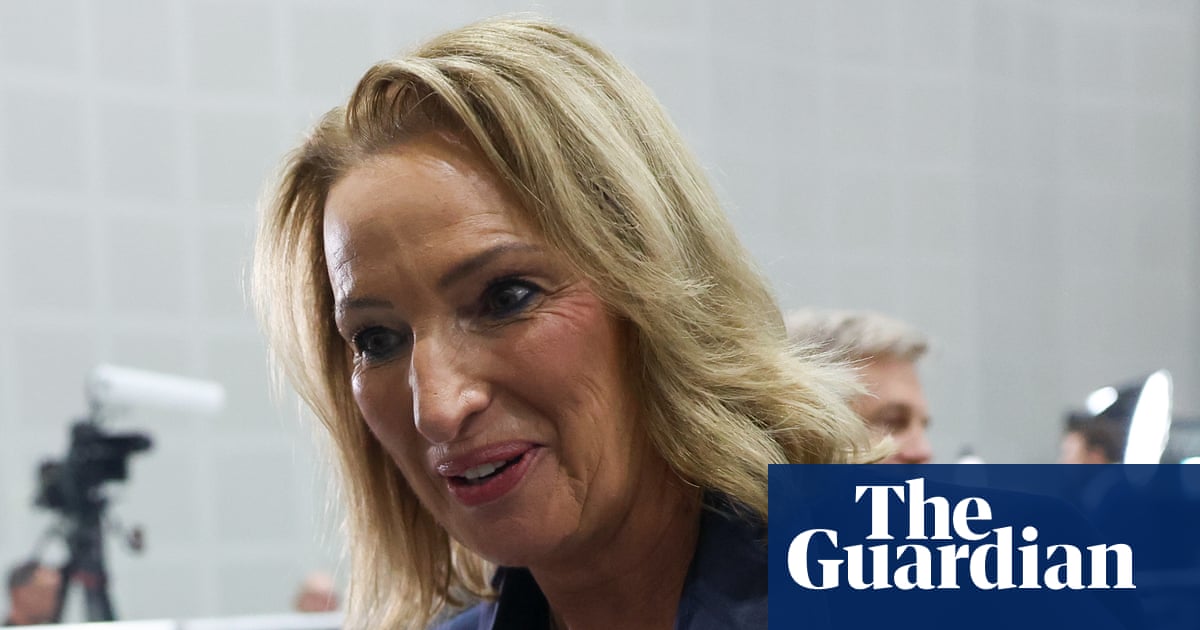
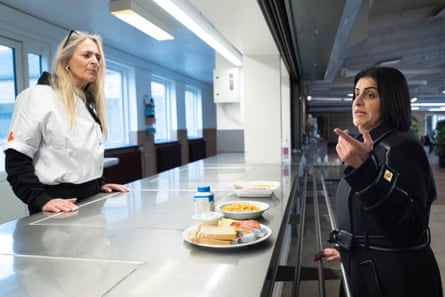
The UK home secretary, Shabana Mahmood, and Danish immigration officials strode through the bleak and chilly Sjælsmark returns centre, a former military barracks used to house men and women who have no right to remain in the country. Followed by photographers, reporters and civil servants, Mahmood was told of the strict conditions in which hundreds of people live after asylum and right to remain appeals are rejected and before many are sent to other countries.
Sjælsmark, about 20 miles north of Copenhagen, is at the sharp end of an asylum system set up by Denmark’s left-leaning Social Democrat government to deter claimants. As well as those facing swift deportations, refugees are given temporary permission to stay and will later be told to leave if their countries of origin are deemed safe.
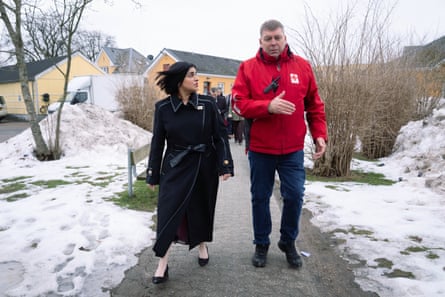
Mahmood’s two-day visit to the country last week was meant to hammer home a message that some Labour MPs have found difficult to stomach: that the UK must replicate the Danish immigration model if Labour is to defeat the rise of a populist right.
The home secretary has since defied demands to rethink her hardline immigration policies after Labour’s crushing defeat to the Green party in Thursday’s Gorton and Denton byelection.
Speaking to the Guardian on the day before the byelection result, Mahmood urged her colleagues to acknowledge that the UK public had “legitimate grievances” about the unfairness of allowing people to arrive in small boats and the strain on public services from excessive immigration.
“There are people who are racist, who do just hate everybody that’s not white and different to them. Those people are not legitimate in this debate,” Mahmood said. “There are many more people who are frustrated with the broken system, who feel a tremendous amount of resentment because they can see their communities under pressure. Public services are under pressure. People break the rules and they stay in this country.
“We’re paying for people who’ve got no right to be in this country. Billions of pounds is spent on a system that is fundamentally broken. That resentment is real, and it does have a real-life impact … The job of responsible politicians is to recognise human nature and resentment and to say: ‘I don’t really want that to turn into something worse.’”
It could get much worse, Mahmood said, because a Nigel Farage-led government would send people who have been in the UK for decades back to dangerous regimes where they faced torture and genocide.
“A Reform government will raise the drawbridge entirely. They say they will deport people at a scale so great, they can only be doing so by returning people to places where they face certain death,” she said.
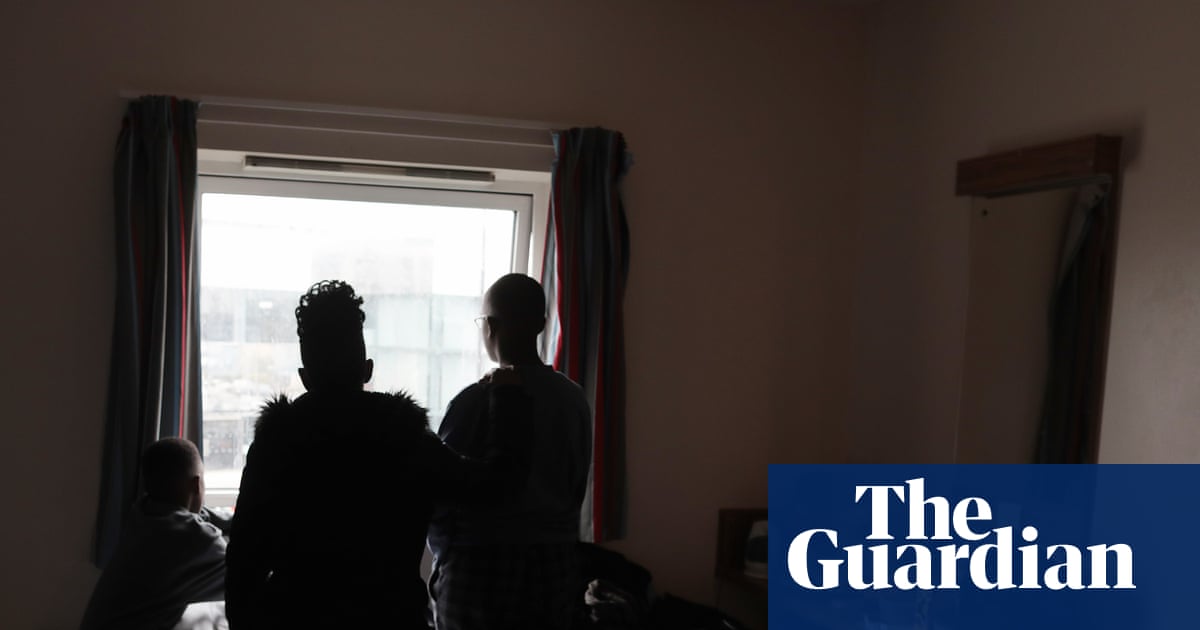
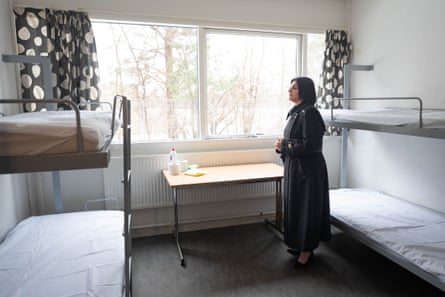
Danish camps such as Sjælsmark, set up in 2015, in effect function as open prisons, according to refugee campaigners. Housed in one- and two-storey buildings and with 10 people sleeping in some rooms, those sent to Sjælsmark must sign a contract saying they will help clean the facilities and stick to strict curfews or face fines, imprisonment or deportation.
On paper, the rejected asylum seekers are allowed to leave the barracks, but the high fences, CCTV cameras and single entrance and exit point mean that few choose to do so, according to staff.
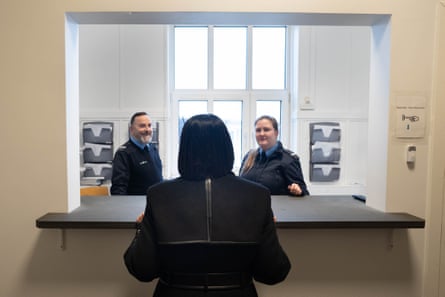
Standing 20 yards away from Mahmood in the camp on Wednesday, Anne la Cour Vågen, the head of asylum at the Danish Red Cross, which oversees the welfare of migrants held in Sjælsmark, said her government’s decision to only grant temporary rights to refugees was making it harder for refugees to integrate and enter the job market.
“If you have a temporary stay and you live in this uncertainty of whether you would be allowed to stay here forever, it affects whether you want to learn the language, for instance. Why should you learn this difficult Danish language if you’re not allowed to stay here? You’d rather learn English, maybe,” La Cour Vågen said.
Mahmood acknowledged that integration of refugees in the UK could become harder under the government’s new plans for refugee status to be reviewed every 30 months.
“It will obviously make life much more difficult for people that come illegally that are then in the system,” she said. “I do care about integration, but I also want to change the calculus of people that are about to pay money to people smugglers, or get on a dangerous boat in the Channel.”
The veteran Labour peer Alf Dubs has condemned the government’s decision to suspend family reunion visas. He says this will lead to a rise in the number of unaccompanied children coming to Britain in small boats in an attempt to join family members. The government said in September that the route would be reopened with different eligibility rules in “spring 2026”.
Mahmood declined to say when the route would be reopened under new rules but said her officials were “working on it”.
After the introduction of a harsh new regime, Denmark has among the most restrictive immigration systems in Europe. In 2024, just 860 people were granted asylum, though a temporary protection scheme provided permits to 10,000 Ukrainians. In 2025, 2,600 people were deported after having their claims rejected.
Critics from the left in Denmark say hardline policies have led to the mainstreaming of hard-right policies and constant shifts to the right.
In the mid-2010s, the rightwing populist Danish People’s party was rising in the polls, cleaving working-class support away from the Social Democrats. Seeking a way back to government from four years in opposition, the party leader of the Social Democrats, Mette Frederiksen, published a pamphlet that made many Danish socialists and activists feel distinctly uncomfortable.
Titled Retfaerdig og Realistisk (Just and Realistic), it sought to win back the working-class vote. It said: “You are not a bad person because you do not want to see your country fundamentally changed. And you are not naive because you want to help other people live a better life.”
On Friday, Frederiksen called an early general election after a surge in popularity since Donald Trump threatened to invade Greenland.
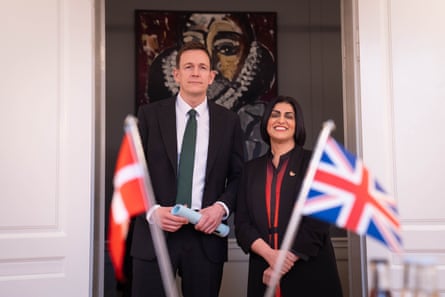
After holding a meeting with Mahmood, Rasmus Stoklund, the minister for immigration and integration, said his country would push forward with the so-called “ghetto law” that allows the state to demolish apartment blocks where at least half of residents have a “non-western” background.
“We don’t want parallel societies. We won’t accept them and we won’t accept the norms of imams or anyone else trying to dominate areas of Denmark,” Stoklund told LBC radio. “It is important that kids, when they go to school in the morning that they see that the adults in the neighbourhood go to work, that they don’t just hang around in this neighbourhood, and that they also experience what the majority culture is like, that they don’t grow up in a part of Denmark which might as well could have been part of the greater Middle East.”
Responding to his comments, a Home Office spokesperson said: “We disagree with the Danes on that idea – that is not Mahmood’s vision of a pluralistic country. We are interested in integration, not head counts of white faces.”