2 months ago
45
2 months ago
45
Timing is all, and the timing of last week’s brutal job cuts at the BBC News could have been better. Not just because the director general Matt Brittin was reportedly on holiday, but because the announcement came straight after a new report showed social media platforms and AI chatbots had now overtaken traditional TV channels and websites as people’s first port of call for news.
The same Reuters Institute for the Study of Journalism report also noted higher levels of global uncertainty and anxiety – caused not just by geopolitical instability, economic and environmental fears, but by a loss of trust in institutions, and in the news itself.
A world of misinformation, AI slop and fake images has engendered a sense of powerlessness and doom. Bad actors use social media to incite riots and unrest on the streets, from Southampton to Belfast, while western governments desperately try to make up for years of refusing to regulate big tech by banning under 16s from using it.
Has there ever been more need for a public service organisation whose very remit insists on the provision of impartial, fact-based news?
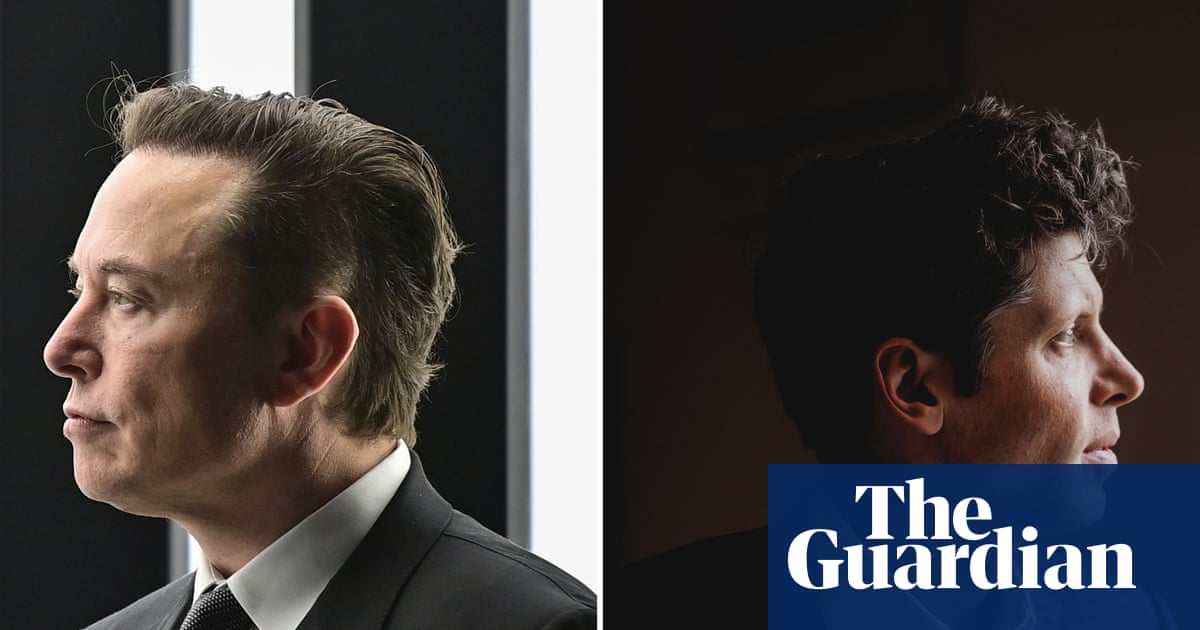
The BBC should not only fight Trump’s ludicrous Dr Evil-esque attempt to destroy it with a lawsuit, but take on his hissing pet cat too, aka the world’s richest man, Elon Musk, whose ownership of X has – not coincidentally – played a role in this age of anxiety. Given the failure of our government to stand up to these two, what better weapon than the BBC to take them on?
Trust in the news in general has fallen by three percentage points to 37% in the past year alone, dipping below 40% for the first time. However, trust in specific news brands has remained the same. The BBC is still consistently cited as the most trusted news brand globally and in the UK. If there is a positive in the Reuters report it is that people still want journalism, they are just bombarded with ways of consuming it.
So now is not the time to cut hundreds of jobs from a news department that we need to provide fact-based reporting and eyewitness accounts.
In explaining the cuts – part of trying to save £500m in three years – Brittin did not blame political settlements since 2010, but the need to meet audiences “where they are”. So goodbye to thoughtful daily analysis on Radio 4’s The World Tonight and hello to more video on YouTube.
But Brittin, a man who until recently ran the European arm of the YouTube parent company, is unlikely to launch a social media channel any time soon. The BBC’s technology is ageing and outdated. Its annual R&D budget of about £15m is barely enough for just one of Musk’s alimony settlements.
It needs to offer a vision of the future. Some inside the BBC, while sad about the cuts, are more concerned that radical, creative thinking has been in short supply since the digital switchover.
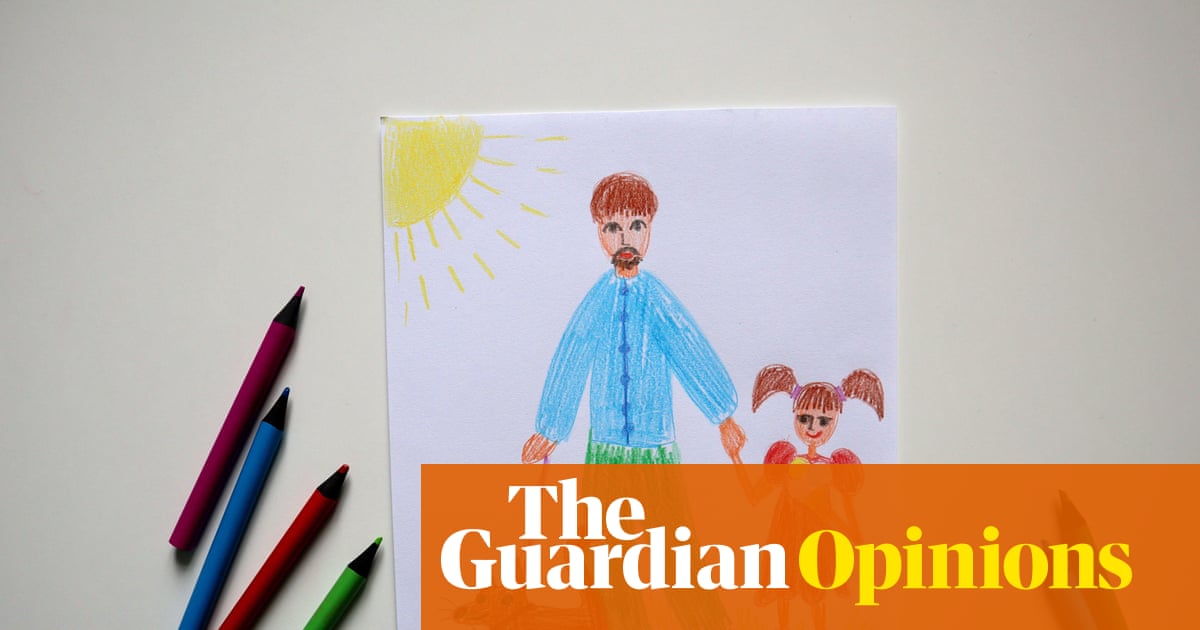
What about taking a lead in providing trustworthy information to young people, and the sort of hyper-local news that every single survey suggests licence fee payers appreciate, but which the market has failed to provide? The need for local news in the UK is great and growing.
One of the many costs forced on the corporation by successive Conservative governments was taking £8m per year of the licence fee to support local newspapers, effectively a public donation to those hit hard by the internet and profit-driven news. Why not expand that scheme and bring it back inside the BBC, which could offer many different ways to reach viewers and readers?
With big tech megaliths so much wealthier and more powerful than many nation states, let alone news organisations, many are turning to collaborative efforts already. Just look at Project Spur, which unites the BBC with the Guardian and the Telegraph, in their quest to protect journalism from AI.
Old BBC hands are scarred by the failure of Project Kangaroo, an attempt to set up a for-profit technology platform for public broadcasting content, kiboshed by competition concerns. But a new social media effort is not a bad idea, perhaps with a more UK-facing name.
This isn’t about doing more with less – that old consultant cliche that never worked – but about trying new ways to not just survive but beat the odds. Audiences don’t want more news, and if anything they can’t cope with the amount they’ve got. But they still value good-quality, trusted, impartial news. It’s just much harder to find.
As for young people, the public service value of informing the next generation of voters is obvious.
News rivals will hate this suggestion, but what if the BBC approached the government for specific financial support to deliver trusted, entertaining content in this next charter period? It could be like the content it provided during Covid via Bitesize and other projects.
Last year, more than half of 18- to 24-year-olds sourced their news from social media, video networks and AI Chatbots. Since the Foreign Office used to pay for the World Service, why can’t the Department for Education fund a social network for children via the BBC?
The BBC may think doing deals with big tech and nurturing its own creators is the only way forward, rather than just an option. But if this week has proved anything, it’s that it needs to be more ambitious and more creative, not less.
-
Jane Martinson is a Guardian columnist