2 hours ago
9
2 hours ago
9
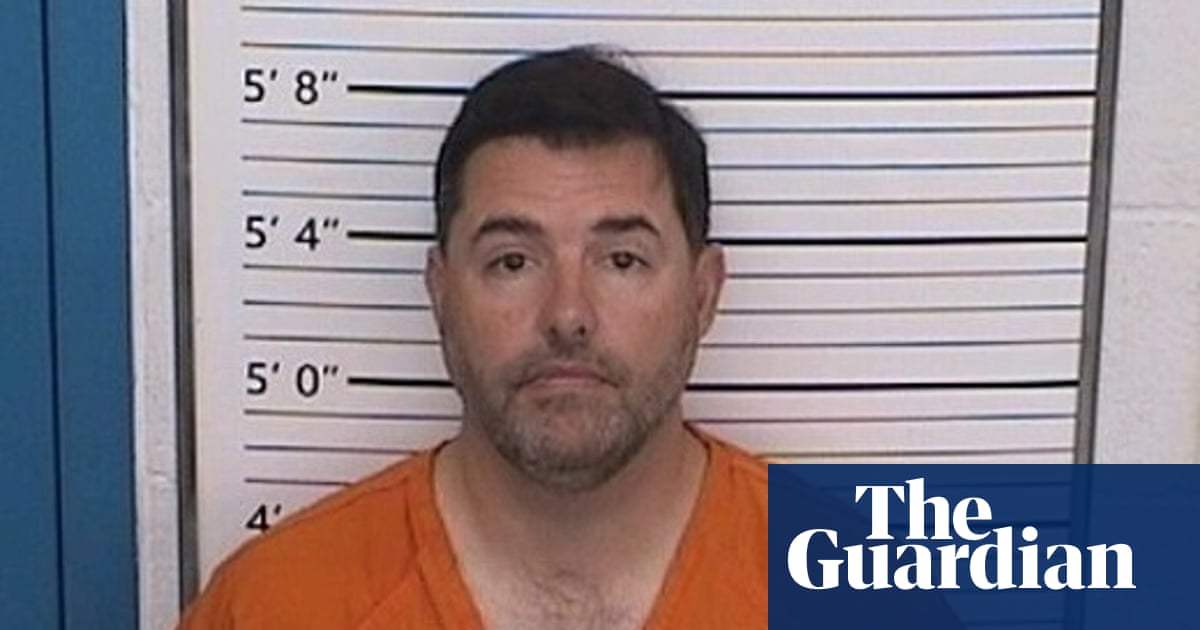
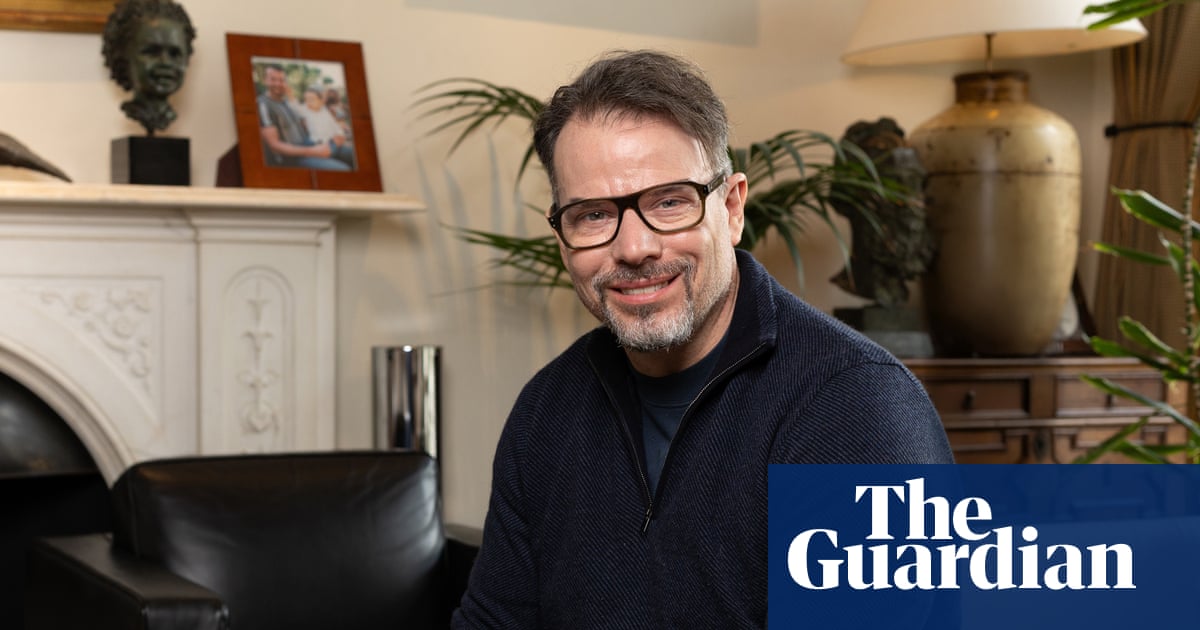
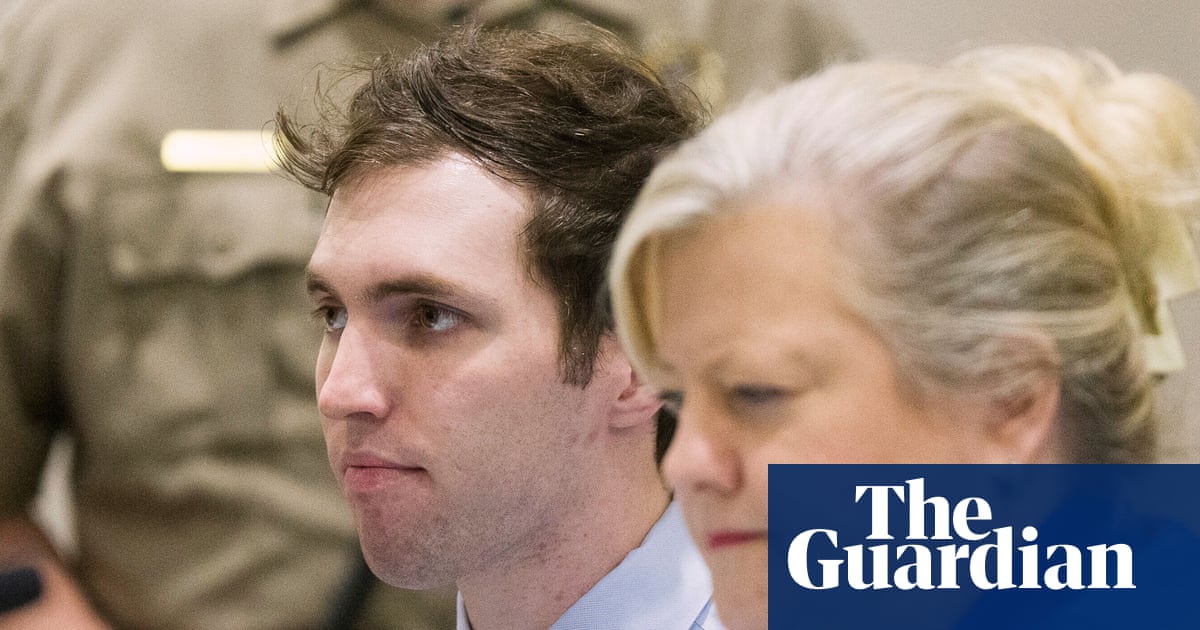
Recovering from surgery at home in upstate New York in 2023, Jon Ronson awoke to a string of texts from his adult son about a weird evening he just had at a stranger’s castle in Connecticut. Having gone along with a friend who’d been invited to a party there, he arrived to find a few lost-looking young women with the sixtysomething host, Chris Mark, a steel heir filming a reality show about “101 princesses” whose first rule was “Never say no to King Chris”.
As a parent, Ronson is worried; as a reporter of more than 30 years on the cranks-and-crooks beat, he’s already on the clock. After trawling online whispers of sinister goings-on at the castle, he decides to pay a visit to Mark, who proudly shows off the stalactites and waterfall in his “cave-themed” bedroom before explaining how he picks up women on dating apps to “adapt” them to life as “princesses”. “The only girls that really work are drug addicts ... they don’t know what’s going on,” he says. Almost touchingly, Mark asks Ronson to sign an NDA, and the book describes Mark flooding his phone with threats when he declines.
Ronson knows he has a story on his hands; but what is it? A disenchanted associate leaks Mark’s private messages, revealing plans for a $2,500-an-hour floating brothel lit up in purple LEDs, and suggesting that Mark once paid for a woman to fly into the US from Poland, only for authorities to send her home in fear for her safety. Further dirt is dished by an ex-fiancee after Ronson two-facedly tells her he’s “really, really sorry” their relationship collapsed (he already told us “a break-up can be good news for a journalist”). As allegations mount, he imagines – perhaps even hopes – that Mark murdered his own father, who drowned in a boating accident in 2009.
While Ronson ends up satisfied Mark didn’t do that, the author’s willingness to guy his own ego – he wants “to be better than every other nonfiction writer” – adds a vital measure of comic charm to this creepy wild-goose chase. But gonzo sleuthing is only one ingredient of The Castle: the subtitle, Adventures in a World of Unravelling Men, hints at its ultimately piecemeal nature, as Ronson zigzags around case studies designed to illustrate the plight of the post-industrial male, simultaneously exhorted to open up and be vulnerable while pressured to avoid giving women “the ick” by snoring or failing to spot a beard crumb.
Boo hoo, one might counter, yet Ronson is persuasive on the problems of casting masculinity as original sin. He talks to an Australian man whose teacher rounded up every boy in his school to make them “apologise for rape”, and meets a lone father courted by YouTube for the lucrative videos he posted of his daughters’ food fights, then dropped when online Sherlocks wrongly accused him of kidnap.
Ronson makes these and other bizarre tales feel emblematic of topsy-turvy times, but when he says Chris Mark is just one of many men “discovering there were things they’d once done that they couldn’t do anymore”, you sense an over-caffeinated logic at work. “I was reminded a little of America in Iraq,” he tells us, when Mark can’t decide what to do with his castle, torn between housing OnlyFans models or setting up an orphanage. Mark’s “insatiable ... self-gratification” prompts a segment on the controversial actor Armie Hammer, seemingly mentioned only so Ronson can let us know Hammer gave him a tell-all scoop interview he didn’t publish.
Ronson’s reflexive parallels don’t always help us understand his slippery subjects. Mark also puts him in mind of the Father Ted co-creator Graham Linehan, an ex-friend whose online posts about transgender people Ronson compared to bullying, whereupon, he tells us, Linehan began subjecting him to multiple abusive messages. Ronson interviews him to try to fathom what fed his obsession, but it’s typical of The Castle’s jittery analytical style that Ronson’s eventual summing-up rests less on their six hours of video calls than on a tenuous analogy he detects in the tragic case of Brandi Bragg, a West Virginian teenager who fatally overdosed in 2004 after a lottery win plunged her into paranoia.
Near the end, he recounts the fatal shooting of Renée Good by an ICE agent who muttered “fucking bitch”. It isn’t clear why he brings this up, until he notes that Linehan – the only man in the book described as “unravelling” – apparently took to X to repost a tweet that called her “the face of chaos” and “the epitome of the modern-day liberal white woman”. “Graham’s plummet into disinhibition, his obsessive anti-wokeness, had evidently become so overwhelming it eclipsed his role as a self-appointed defender of women.” The gotcha, slipped into a footnote seven pages from the end, leaves you wondering if The Castle has been constructed not simply as an exploration of 21st-century maleness but as an act of slow-brew payback – though maybe it tells us something about men either way.
after newsletter promotion