1 month ago
97
1 month ago
97
US executions have surged in 2025 to the highest level in 16 years, as Donald Trump’s campaign to reinvigorate judicial killings, combined with the US supreme court’s increasing refusal to engage in last-minute pleas for reprieve, have taken a heavy toll.
A total of 47 men – they were all male – have been killed by states operating the death penalty in the course of the year. That was almost double the number in 2024, amounting to the greatest frenzy of capital punishment bloodletting in America since 2009.
The dramatic jump in the practice of state killing will further separate the US from almost all other developed countries. Only Japan, Singapore and Taiwan have staged executions in recent years.
The increase in the US is all the more pronounced given the gradual decline in capital punishment that had been the prevailing wind in the US for most of the past two decades. It stands starkly discordant with the trend in public opinion.
Gallup, which has been taking the pulse of the American public’s views on the death penalty since 1937, found that this year 52% supported it for people convicted of murder – a 50-year low. Most Americans under 55 now oppose the practice.
The Death Penalty Information Center which produces the most comprehensive annual review said that the contradictory trends indicate “the growing disconnect between what elected officials do and what the public wants. The evidence shows that the death penalty in 2025 is increasingly unpopular with the American people even as elected officials schedule executions in search of diminishing political benefits.”
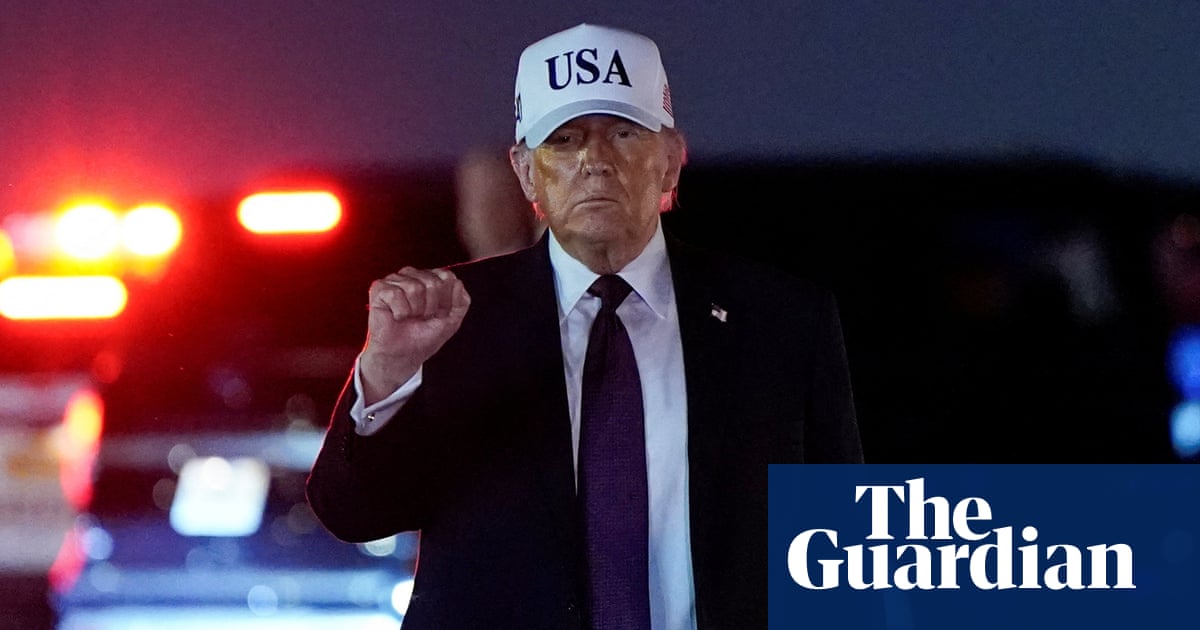
The most prominent of those elected officials is the US president himself. On his first day back in the White House, 20 January, he issued an executive order, “Restoring the death penalty”. The “restoring” was a reference both to federal executions, after his predecessor Joe Biden just before Christmas last year commuted the sentences of all but three inmates of federal death row, and to the death penalty states which have been less active in recent years.
The order vowed to ensure “that the laws that authorize capital punishment are respected and faithfully implemented”.
Sister Helen Prejean, the anti-death penalty advocate and author of Dead Man Walking, believes that Trump has set the tone nationally. In a recent press conference held by a fledgling alliance of more than 50 groups, US Campaign to End the Death Penalty, she said: “It’s in the air, it’s in the national rhetoric sent down from Trump – you use violence and cruelty to solve social problems”.
The president’s missive to revive capital punishment was channeled through the Department of Justice, which this year authorized more than 20 new capital prosecutions. Trump’s executive order also sent a clear message that resounded through death penalty states: capital punishment is back.
Florida in particular took that sentiment to heart, with stunning results. In 2024 the sunshine state put just one person to death.
This year that number shot up to 19. The killing spree ordered by the Republican governor, Ron DeSantis, shattered Florida’s previous record of eight executions in a year.
Florida’s supercharged death system sets it apart as an outlier, surpassing even Texas as the leading practitioner of state killings. Together with Alabama, South Carolina and Texas, those four states were responsible for almost three-quarters of this year’s executions.
The number of other states engaging in capital punishment has also ticked up. This year 12 states put their death chambers to active use, up from nine in 2024.
They included Louisiana, which ended a dry run of 15 years without executions.
As more states scramble to get back into the game of killing prisoners, their death protocols are also growing more extreme. Louisiana became the second state, after Alabama, to experiment with using nitrogen gas as a means of effectively suffocating condemned individuals.
Witnesses at that nitrogen execution of Jessie Hoffman Jr in March said that he visibly shook for several minutes.
South Carolina set out on a different path, carrying out the first execution by firing squad in the US since 2010. Three of the state’s five executions this year deployed the controversial method.
The Guardian revealed that following the firing squad execution of Mikal Mahdi in May, a postmortem indicated that the shooters had missed the prisoner’s heart. The faulty targeting was probably to have caused him prolonged suffering.
While Trump may have set the tone for the comeback of the ultimate punishment, the surge in executions can also be laid at the door of the US supreme court. In a rare display of judicial disengagement, the hard-right majority of the court denied every request to stay an execution this year.
The startling figure points to a growing pattern on the highest court since Trump appointed three of its six conservative justices during his first presidential term. The court used to act as the final hope for death row inmates attempting to stave off their executions for reasons of innocence, cruel and unusual punishment or on other constitutional grounds.
“We’re now operating a capital punishment system without a safety net,” Alexis Hoag-Fordjour, a law professor at Brooklyn law school, said at the US Campaign to End the Death Penalty press event. “Federal courts are meant to act as a backstop, but that stop gap has been eviscerated.”