3 months ago
69
3 months ago
69
A number of younger Mongolian politicians, including many women, are facing the threat of extended jail sentences for their role in challenging the country’s political leadership, in what they claim are early skirmishes in a battle to prevent a slide into authoritarianism.
The dispute forms part of a factional power struggle in the ruling party that is threatening to weaken Mongolia, one of the few democracies in the region, as it seeks to navigate a foreign policy independent of neighbouring Russia and China.
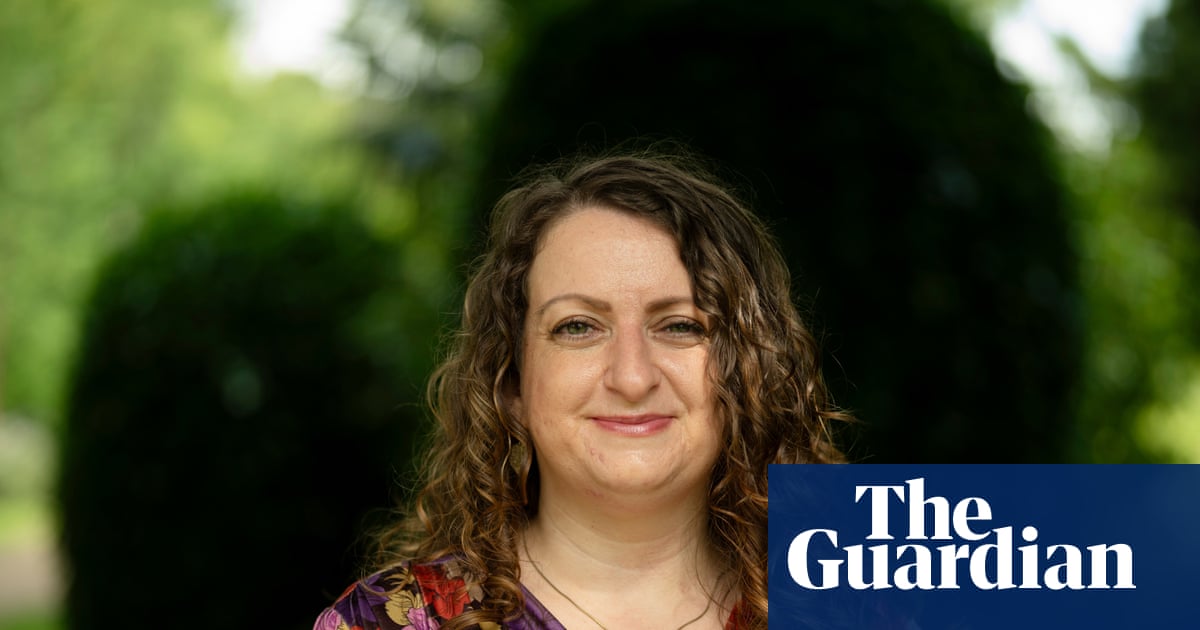
The former deputy speaker of the parliament, Yale-educated Bulgantuya Khürelbaatar, told the Guardian she was facing the threat of 12 to 20 years in jail after being charged with the criminal offence of “an organised effort to unlawfully seize or retain state power”. She described the charge as absurd and unprecedented in Mongolia.
She also says she has been banned from leaving the country and had restrictions placed on her movements inside Mongolia. The charges have been brought with the help of the country’s state intelligence agency.
Mongolia is rich in minerals, and allegations of political corruption have led to a recent extended period of political infighting in the ruling Mongolia People’s party. There is also a generational divide within the MPP, with a younger group of reformists, including some educated abroad, challenging the traditional leadership.
The charge relates to Bulgantuya’s role as the chair of a vote in parliament in October in which a majority of MPs were declared to have voted for the prime minister, Zandanshatar Gombojav, to stand down, only four months into the job.
The vote related to a dispute over changes to the mineral exporters tax regime, which opponents of the prime minister said would benefit wealthy exporters and lower state income.
Bulgantuya says the procedure for the vote was in line with precedent, including a comparable vote in 2021.
President Ukhnaagiin Khürelsükh, an ally of the prime minister, vetoed the parliament’s decision to oust Zandanshatar.
At the same time, Zandanshatar’s cabinet secretary appealed to Mongolia’s constitutional court, which found that the parliamentary vote had used an incorrect voting formula and that the quorum count at the start of the proceedings had been manipulated.
The court ruling was not subject to appeal. Bulgantuya was given less than two days to prepare her defence at a hearing, largely occurring behind closed doors, and she says she was not given the right to legal counsel.
“It is absurd to claim that I have tried to seize state power when state power lies with the parliament, and I was fulfilling the wishes of the parliament,” she said. Her lawyers added: “Parliamentary supremacy lies at the very heart of Mongolia’s system of checks and balances and represents a cornerstone of its constitutional democracy.”
She has already been forced to stand down as deputy speaker and been expelled from the MPP. In a further step, a draft bill has now been tabled by Khurelsükh that will end the immunity of some MPs if their party deems they have behaved unethically.
Enkhbat Bolormaa, another parliamentary critic of the prime minister and the first female governor in Mongolia’s history, said: “This is an absolute test case of Mongolia’s democracy, its constitution and our ability to practise our rights as parliamentarians. What we did was hold the prime minister accountable for granting unlawful tax concessions to a handful of powerful mining conglomerates, and we are now being silenced for it.”
In a complaint, the inter-parliamentary union human rights body claimed power “is being centralised in an executive body with the result that reform-oriented independent minded and especially young parliamentarians face growing pressure, intimidation and retaliation for exercising their constitutional mandates”.
Mongolia’s previous prime minister, Oyun-Erdene Luvsannamsrai, stepped down last summer after three weeks of anti-corruption street protests that led him to lose a vote of confidence. He said this week: “What exactly did Kh. Bulgantuya do wrong? If leading a parliamentary meeting turns you into a criminal, do we even need parliamentary democracy? Leading a meeting and displeasing someone isn’t a crime. The scale of all this is getting way out of hand.”
Frequent leadership turnover has become a norm in Mongolia. In three decades of democracy, only two governments have completed full four-year terms, with governments lasting an average of 1.8 years.