4 hours ago
8
4 hours ago
8
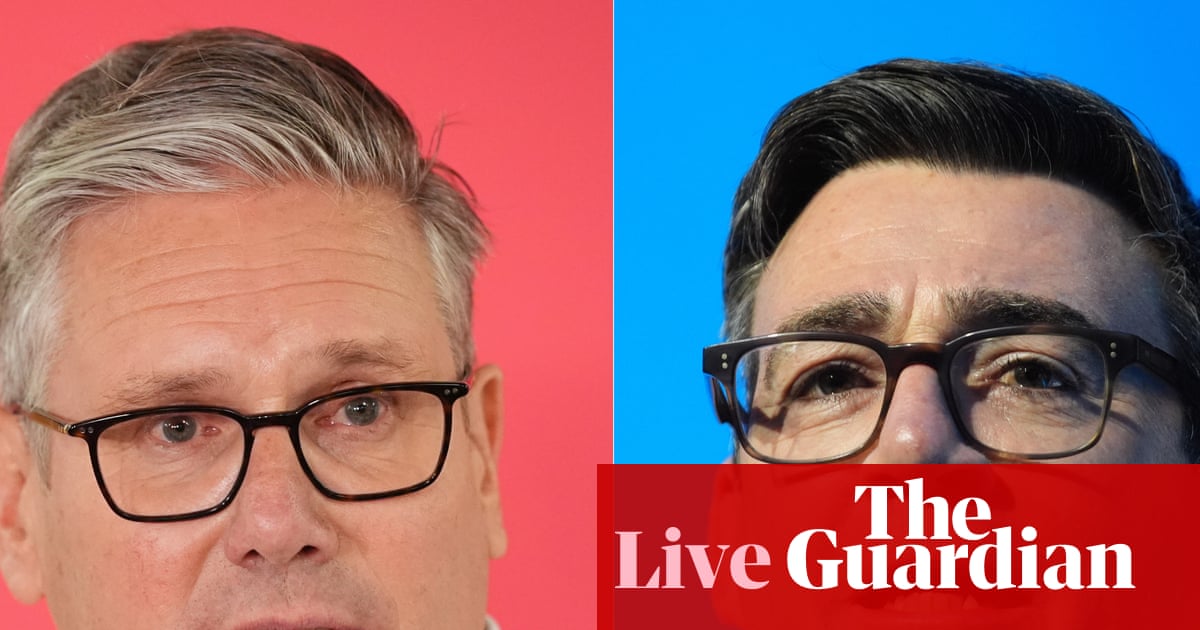
Brexit, it seems, is back. Or at least back within the Labour party. Wes wants to be back in (at some point). Andy once said there’s a case, but seems to have changed his mind. Nigel, meanwhile, warns of betrayal.
On one hand, this is all terribly predictable. Winning any Labour leadership race was never going to be possible without staking out a clear and ambitious position on the EU. Most Labour members are remain backers who regret leaving Europe. Even before the beginning of a formal contest, we were always going to see those vying for the top job try to outbid each other.
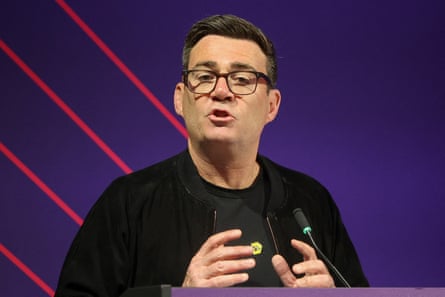
Andy Burnham’s decision to run for parliament is an additional wrinkle. Makerfield is a leave-backing constituency, and Reform UK are Labour’s main opponents, so revealing ambitious plans to move closer to the EU would be incredibly high risk. Hence yesterday’s switch to a more sceptical stance.
All of which gives Wes Streeting an additional reason to go big on Europe. The hope, presumably, is that Burnham is either driven to say something that makes the people of Makerfield less likely to vote for him (which Burnham seems to be avoiding), or that he is forced to adopt a position that makes members of the Labour party less likely to vote for him (which seems to be the chosen direction).
While Burnham navigates that bind, Streeting says as little that commits him to actually doing anything as possible. In his speech to a conference held over the weekend by the thinktank Progress, the former health secretary spoke in splendidly vague terms about a new “special relationship” with the EU while mentioning he’d like to see the UK rejoin one day. That’s it. That it was enough to set so many hares running is a tribute to his political nous – but not a signal of intent when it comes to EU policy.
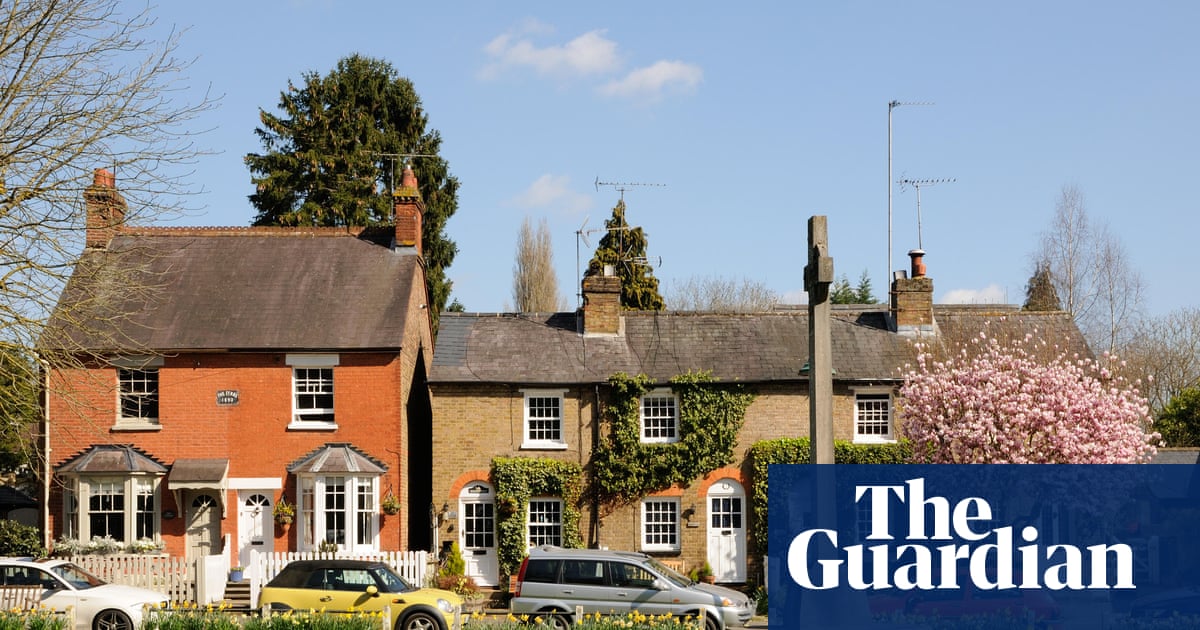
Which is a shame, because a rethink of EU policy is increasingly necessary. The current negotiations – covering areas ranging from agriculture to UK participation in the EU’s electricity market – have stalled over the EU’s insistence that the youth experience deal it sees as key to the whole package allows EU students to pay domestic fees to attend UK universities.
And even if the two sides find a way to unlock the current impasse, there is the question as to what comes next. The UK government has made it clear that it wants even closer relations.
But the EU, for its part, has balked at the idea that London gets to pick further bits of the single market with which it wants to align. The view in Brussels is increasingly that the UK either stays where it is or opts for something much bolder.
The UK’s choices are therefore not only increasingly constrained, but seemingly at odds with the stipulations of the 2024 manifesto that the UK will not rejoin the single market or customs union or accept freedom of movement.
So a real debate is necessary. About how far Labour want to go. About whether the red lines as they are should stand. About whether any of the potential landing zones are actually in our interest.
This last point is particularly important. Many Labour MPs have spent the last couple of years propounding the idea of a customs union or of the UK joining the single market. There is evidence now that they are actually starting to ponder what these alternatives might mean.
A customs union will do precious little to compensate for the economic impact of Brexit, while conceivably tying the UK to EU trade deals over which it has no say. Equally, the single market means allowing the EU to set the rules for the UK economy with London perhaps being consulted but certainly having no vote. What works for Norway will not necessarily do so for us, not least because the Norwegian model rests on depoliticisation of the EU issue.
As for membership, what has become clear in the negotiations to date is that the EU will play hardball in any talks and extract whatever it can from us. Membership will come at a price in terms of budgetary contributions, and doubtless a commitment to join the euro. The talks will be brutal, and they will not be completed at any time soon. Signing up for this is signing up for many years of difficult negotiations carried out under the glare of Brexiter scrutiny.
So there is much to discuss. The problem is that an open and honest debate is not what we are likely to get. Ten years on from the referendum, Brexit as domestic football is still the order of the day. Whether speaking to the good people of Makerfield or to party members, Labour politicians have a strong incentive simply to say what their audience wants to hear.
All of which will serve merely to irritate the EU. Having watched consecutive Conservative administrations argue with themselves over Brexit, they’re now getting to see Labour do the same thing. And, like the Conservatives, Labour are doing so with precious little attention paid to what the EU might or might not be willing to give us.
Little surprise, then, that the reaction from Brussels is simply a shrug. Let the British play their games. We can talk to them when they’ve actually decided what they want. Albeit what they want might not be on offer, and what is on offer might not be what they want.
-
Anand Menon is director of UK in a Changing Europe and a director at Public First