5 hours ago
16
5 hours ago
16
I can’t find it, despite having spent the past 35 minutes looking, but somewhere in the house is The Crisis Cook Book. It’s a standard paperback, postbox-red with white writing on the cover, and full of recipes from chefs including Rowley Leigh, Heston Blumenthal and Jeremy Lee. Not having found it, I needed Amazon to tell me it was published in 2007 and compiled by Nick Lander, at the time the Financial Times’ restaurant correspondent. He asked 28 chefs to donate three recipes – their favourite starter, main course and dessert – and proceeds from the book went to the national homelessness charity Crisis.
The reason I needed (and still need – it is now a mission) to find the book is because inside it is Rowley’s recipe for pasta with tinned sardines, fennel, chilli and lemon zest. It’s a recipe that I have made so many times, and for so many years, that I don’t need to look at the book; but, equally, because I’ve made it so many times and so much time has passed, I have no idea how far I have drifted from the original, and want to check. I’ve even written about this recipe in my weekly Guardian column, without referring to the book or even mentioning Rowley! Not that a store-cupboard version of the Sicilian pasta con le sarde (pasta with sardines and wild fennel) is owned by anyone, although Rowley did teach me.
So here I am, setting the record straight, Rowley taught me to – and this is approximate – soften thinly sliced red onion, fennel and red chilli in lots of olive oil, add a tin of sardines (mashed), then toss the lot with al dente pasta, minced parsley and enough lemon zest to scent the pasta and the kitchen. It’s a meal that is not only deeply delicious but also thrifty, because a small amount of fish goes a long way.
In short, tinned fish rules. It gives a product with a notoriously short life an extremely long one, thus drastically reducing the risk of food waste. Sardines, mackerel, herring, pilchards, sprats and anchovies are my tinned fish of choice – tasty, rich in essential omega 3 fatty acids and, if watchfully sourced, sustainable. That sourcing is very important, though (sardine stocks in some parts of the world are struggling), so I’d recommend keeping an eye on the Marine Conservation Society’s Good Fish Guide. The other thing about tinned fish is the deep umami flavour that can develop during the curing and canning process, especially when the fish is preserved in a good-tasting brine or oil.
And now, more than ever, it’s easier to find fish preserved in these delicious brines and oils thanks to enterprises such as Mitch Tonks’s Rockfish in the West Country and Sea Sisters in Dorset, both of which take great care with their canning, and to exceptional producers such as Giribizzi and La Belle-Iloise. Not to mention The Tinned Fish Market, which has stalls in Old Spitalfields and Borough markets in London (and an online shop) dedicated to excellent tinned fish. All of which is encouraging supermarkets to keep up.
Back to recipes. Yotam Ottolenghi also has a play on the classic Sicilian sardine pasta, using mackerel fillets, za’atar and lime, served with linguine; another Yotam recipe for conchiglie with tinned smoked oysters is a template that can be adapted to just about any tinned fish you happen to have in the cupboard. Anna Berrill, meanwhile, uses tinned sardines instead of anchovies for her tomato, caper and olive puttanesca, which she serves with polenta, as well as in a great-sounding sardine, caper, chive and celery salad.
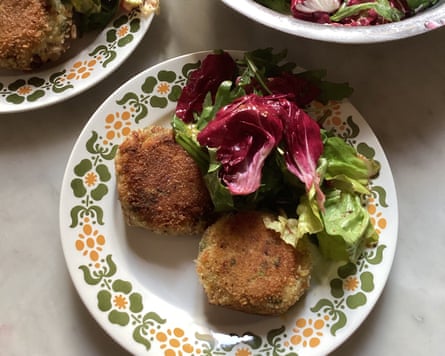
I generally use sardines in my recipe for potato and tinned fishcakes, but mackerel, herring, pilchards and sprats all work. Hugh Fearnley-Whittingstall’s tinned mackerel paté is equally flexible, and yes to his quick-pickled onions, too! Hugh, a tinned fish champion, also suggests a sardine omelette (his daughter’s recipe) and mixing sardines with canned white beans and thinly sliced red onion for a store-cupboard salad, as well as reminding us they’re tasty just piled on toast. I agree – it is always a good idea to have a tin or two of sardines in the cupboard. Now where is that bloody book?
My week in food
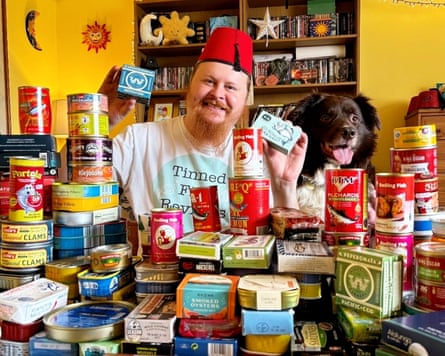
Can do | In keeping with the tinned fish theme, Marcus Ansell – known to his millions of Instagram, YouTube and TikTok followers as Tinned Fish Reviews and usually found wearing a fez – opens, decants and taste tests cans of fish. Calm to the extreme, even when appalled or ecstatic about the contents of the tin, he is a joy to watch and learn from. As is his dog, King Arthur.
after newsletter promotion
Dear diaries | This week, I have been cooking from Thom Eagle’s Allotment Diaries, which isn’t a cookbook, nor does it contain recipes. Rather, it is a record of a year on an allotment and his thoughts on growing, which are inseparable from those about family, grief, the seasons, and how he might slice, cook and flavour whatever he has picked. In turn, he has sent me into the kitchen with a reminder that a short phrase about courgette “stewed as filling for an omelette” can often be more helpful and inspiring than a long recipe. A stunning book.
Wrap up warm | My son this week reminded me how great chickpea flour pancakes are. I’d recommend a batter made from 250g chickpea flour, 450ml cold water and a big pinch of salt, so it’s the consistency of smooth single cream. Leave it to rest, then fried as you would pancakes, they should be firm but floppy, and frilly at the edges. The flavour is like a pancake crossed with hummus and they’re fantastic with some stir-fried greens and a big blob of ricotta.