3 months ago
157
3 months ago
157
Understand what it is
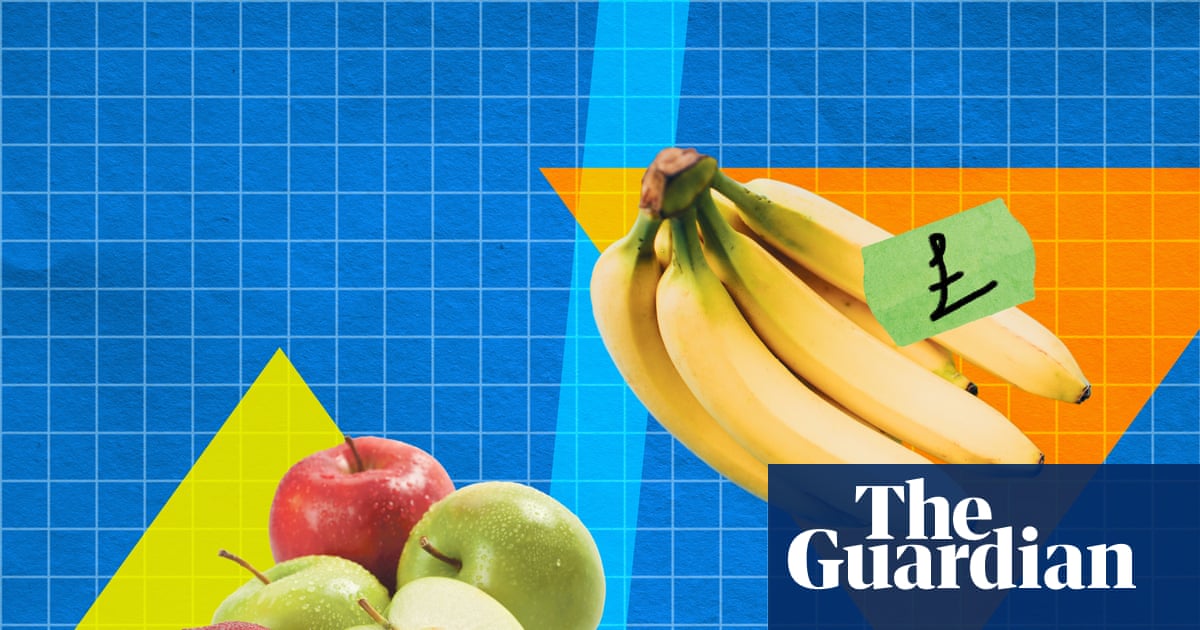
Buy now, pay later (BNPL) is a form of credit that lets you spread payments for everything from clothes, jewellery and white goods to concert tickets, hotel rooms and takeaway meals.
Typically the cost is split into three or four instalments that you pay off over a few weeks or months, and if you keep up with your repayment plan, you won’t pay interest or charges, so it can be completely free to use.
BNPL is offered by a vast array of retailers, usually at the checkout of online stores. It is also available at some physical shops.
Three brands – Klarna, Clearpay and Paypal – dominate the UK market. Many BNPL providers have their own app, and sometimes these offer “exclusive” deals. Some retailers offer just one BNPL option, while others have two or more.
At least 11 million people in the UK use BNPL, but regulators and consumer bodies have voiced worries that some will end up borrowing money they cannot afford to pay back on time, thereby incurring charges, getting into debt and damaging their credit score.
Sebrina McCullough, at Money Wellness, which provides free money and debt advice, says: “BNPL can be a really helpful way to spread the cost of bigger purchases, but it only works if it’s treated like a short-term loan rather than free money. We often see people thinking it’s harmless, but missing even one payment can lead to fees and unnecessary stress.”
Wait until regulation
The biggest issue with BNPL is that it isn’t regulated in the same way as other consumer credit products. That’s set to change on 15 July this year, when the Financial Conduct Authority will start regulating BNPL, which means users will get greater protection and more rights.
BNPL lenders will have to carry out an affordability check before each loan is taken out, even if it’s only for a small amount. They will need to provide clear, upfront information and offer support to customers in financial difficulty. And if something goes wrong, shoppers will be able to complain to the Financial Ombudsman Service.
For those who have never used BNPL or have other options, there is an argument for holding off until at least mid-July, after which there should be less chance of encountering problems, and more help available if you do.
Compare your options …
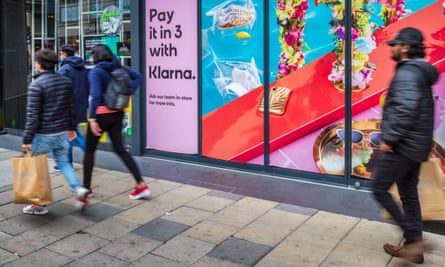
BNPL’s big plus point is that, when used correctly, it is interest-free and fee-free.
However, it makes sense to consider it against more traditional forms of credit such as a 0% spending credit card or 0% bank overdraft, says Martin Lewis’s MoneySavingExpert.com website.
A 0% credit card charges no interest on things you buy, usually for a number of months or even years. Alternatively, a few banks give at least some of their current account holders a small-ish, interest-free overdraft. In the case of First Direct it’s £250.
What is best for you will depend on your individual circumstances and preferences.
The government-backed MoneyHelper website has a tool that can help you choose the best way to borrow money.
… or save up and wait
“The first thing to ask is: why are you using BNPL?” says Andy Webb of the website Be Clever With Your Cash. “If you have the money in your bank and you don’t need it for essential bills, then it’s almost always better to use this [to pay for something] and only borrow at a later date if you really need to.”
He adds that if you can’t afford the item now, “then really consider if you need it. And if you do need it, do you need it now? It’s going to be better for your bank balance if you save and wait.”
Do your due diligence
If you are going to use a BNPL company, make sure you know exactly what’s on offer.
Payments are usually collected automatically on specific dates, which should have been made clear at the outset.
With Klarna’s Pay in 3, your purchase is split into three equal payments. The first will be taken from your debit card, bank account or credit card when your order is shipped, and the remaining two will be collected 30 and 60 days later. (Klarna also offers an option where you pay nothing at purchase and the full amount within 30 days.)
PayPal’s Pay in 3 is very similar: you make the first payment at the time of purchase, then make two more payments on the same date each month.
With Clearpay, you pay in four instalments over six weeks. The first payment is due when your order is approved, and the next three are due every two weeks, with the dates set out in a payment schedule.
Beware fees and charges

“Remember it’s a debt, just like a credit card or an overdraft,” says James Daley, at the consumer organisation Fairer Finance. “If you miss payments, you’ll be hit with late fees as well as a mark on your credit file.”
At Klarna, a £5 fee will be charged for late payments after a seven-day grace period. Each fee is capped at 25% of the order value, with a maximum of two late fees per order.
Clearpay charges a £6 fee for a late payment (that is, you don’t make the due date), and a further £6 if it is still unpaid seven days later. Late fees are capped at £6 for orders under £24, and at the lower of £24 or 25% of the order value for orders over £24.
With PayPal’s Pay in 3 there are no late fees. But it warns that missing payments may damage your credit record and make other borrowing harder or more expensive.
You may be able to get a bit of extra time to pay: for example, Clearpay lets customers delay up to three payment dates by seven days a year (there are conditions attached).
Plan to pay it off
BNPL is a useful and cheap way to manage cashflow if you need to pay for something today and you know you won’t have the money for a few weeks, says Daley. “But only use it if you know you’ll have the money by the time the payments are due.”
You should set up a direct debit or use your debit card to make repayments, says MoneyHelper. “Making repayments with a credit card means that you still owe money to the card provider.”
Keep a record of how much you have spent and when your payments are due, which will help keep it front of mind, and look out for notifications from your BNPL company reminding you when your next payment will be collected.
It will probably be easier to keep track if you have the provider’s app (assuming it has one), as these typically let you view your payment schedule and get reminders.
Never borrow to pay off your BNPL loan or loans. “If you’re having to borrow to make your BNPL payments, you can quickly spiral into much greater debt problems,” says Daley.
Don’t overdo it
One of the most common problems encountered by Money Wellness is people juggling multiple BNPL accounts with different payment dates alongside their other costs and debts.
“Suddenly you’re trying to keep track of several payments and worrying about deadlines,” says McCullough.
Niall Alexander, at Fair4All Finance, a not-for-profit financial inclusion organisation, says that while many shoppers use BNPL responsibly, its ease of access can attract people who already have other forms of financial stress. “That’s why it’s important for people to keep track of how many active BNPL arrangements they have, limit it to planned purchases they can afford, and avoid stacking multiple plans at once,” he adds.