3 months ago
120
3 months ago
120
Board of Peace signing expected in Davos shortly
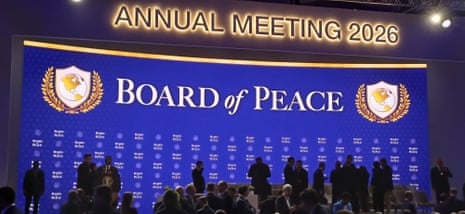
There’s a buzz building at the World Economic Forum, as Donald Trump appears to be about to launch his Board for Peace.
Delegates are pouring into the large hall here in Davos, keen to see the signing ceremony for the body – which some fear could undermine the United Nations.
To get a better understanding of this new body, you can read this from my colleague Aamna Mohdin:
Key events Show key events only Please turn on JavaScript to use this feature
Trump singles out former UK PM Tony Blair (in the audience, i think), saying he appreciates his presence.
Blair was name last month as a member of the executive board.
Classic Trump: he tells the assembled board of peace members that he’s “truly honoured” by their presence today, saying they are mostly very popular leaders, but in cases not so much.
That’s the way it goes, he muses (indeed…)
Trump: We'll settle another war pretty soon
Trump says we now have ‘peace in the Middle East’, repeats his claim to having settled eight wars, and then suggests that “another one’s coming pretty soon”.
He means Russia-Ukraine, calling it “the one I thought was going to be an easy one” but turned out to be the most difficult.
29,000 people, mostly soldiers, died last month, Trump says, a “terrible” toll.
He adds “we’re making a lot of progress” in the peace talks, echoing what we heard from Steve Witkoff this morning.
Trump: An exciting day
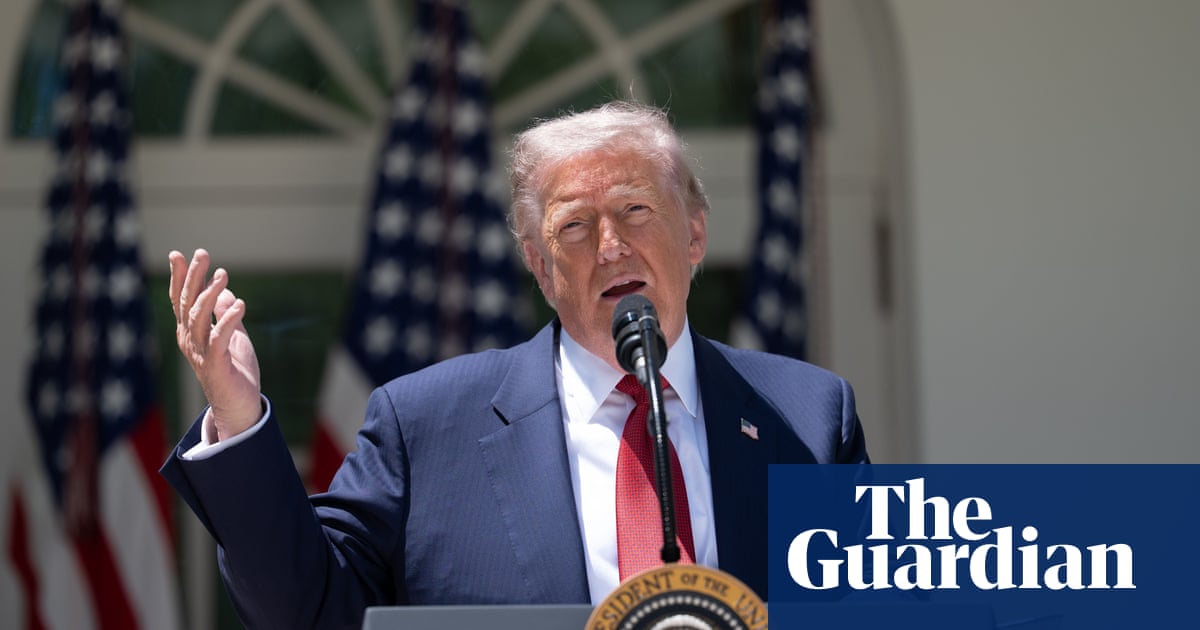
Now Donald Trump takes the stage, as the chairman of the Board of Peace.
Trump says it’s a very exciting day, and claims that “everyone wants to be a part of it” (although several, including the UK, have declined the opportunity).
Trump says the board of peace will work with “many others, including the United Nations”.
Onto the stage come…
-
A representative of Bahrain,
-
A representative of Morocco,
-
The president of Argentina
-
Prime minister of Armenia
-
President of Azerbaijan
-
Prime minister of Bulgaria
-
Prime minsiter of Hungary
-
President of Indonesia
-
Deputy prime minister of Jordon
-
president of Kosovo
-
prime minister of Pakistan
-
President of Paraguay
-
prime minister of Qatar
-
foreign affair minister from Saudi Arabia
-
foreign affairs minister of Turkey
-
A representative from the UAE
-
The president of Uzbekistan
-
Prime minister of Mongolia
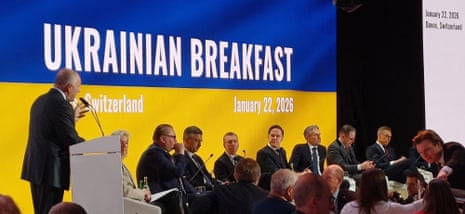
World leaders are now coming on to the stage here in Davos for the Board of Peace signing.
As we await the ceremony to kick off, here’s a list of countries who have accepted invitation to join the board, according to the Associated Press.
That list includes: Argentina, Armenia, Azerbaijan, Bahrain, Belarus, Egypt, Hungary, Indonesia, Jordan, Kazakhstan, Kosovo, Morocco, Pakistan, Qatar, Saudi Arabia, Turkey, United Arab Emirates, Uzbekistan and Vietnam.
And these are the ones who won’t join, for now at least: France, Norway, Slovenia, Sweden and the UK.
Others have also been invited but haven’t committed either way: Cambodia, China, Croatia, Germany, India, Italy, the EU’s executive arm, Paraguay, Russia, Singapore, Thailand and Ukraine.
Starmer welcomes Trump dropping UK tariffs over Greenland
It was a “good thing” Donald Trump dropped his threat to slap tariffs on the UK, Sir Keir Starmer has said, as he warned the “hard yards” of beefing up Greenland’s security would now begin.
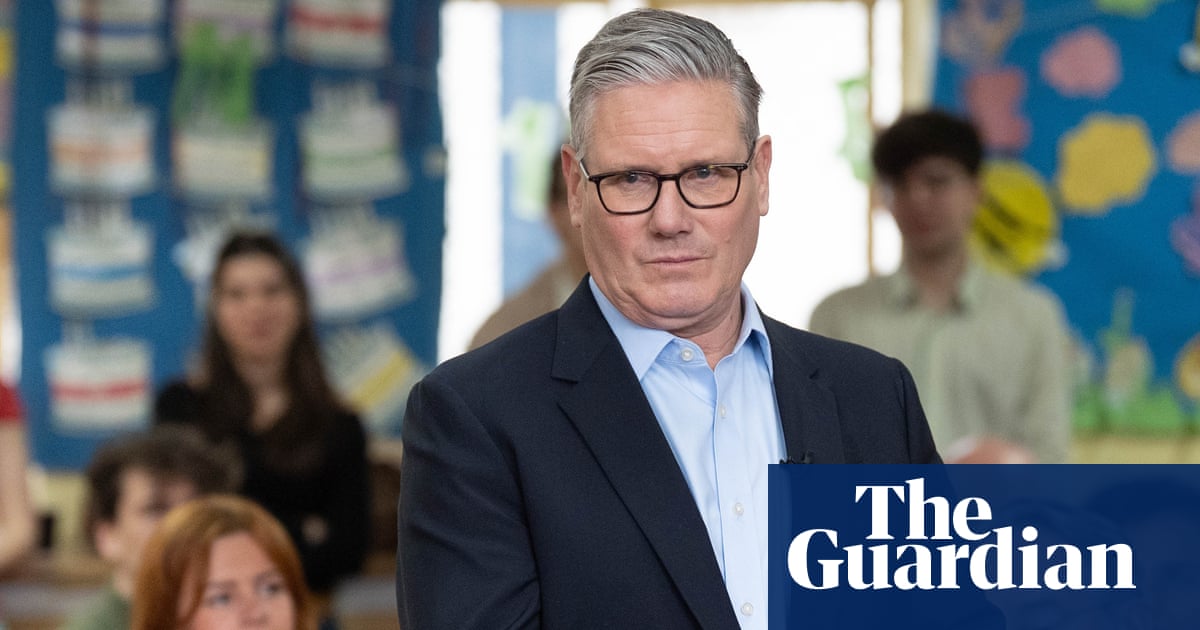
Speaking to local residents during a visit to Hertfordshire on Thursday, the Prime Minister said:
“I think you will have noticed that the last few days have been incredibly serious in relation to big things happening on the world stage.
“And you may have seen but it is a good thing that yesterday, the threat of tariffs against the United Kingdom was lifted and now we can start hard yards and finding a way forward on security in the Arctic, which may seem a long way away, pretty remote, but actually it does matter to all of us in terms of the safety and security of our country.
“And we’ve got through the last few days with a mix of British pragmatism, common sense, but also that British sense of sticking to our values and our principles.
“But now, as I say, the hard yards of actually finding a better way for security for our country, for Europe and across the globe.”
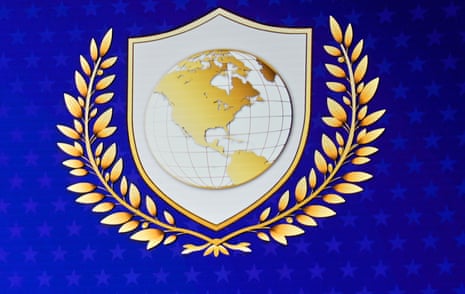
The logo of the Board of Peace on the screen here at Davos has a rather North American focus, although central America and some of South America also squeeze on:
There are 20 chairs on the stage here in Davos, presumably to accommodate leaders who are signing up to the board of peace today.
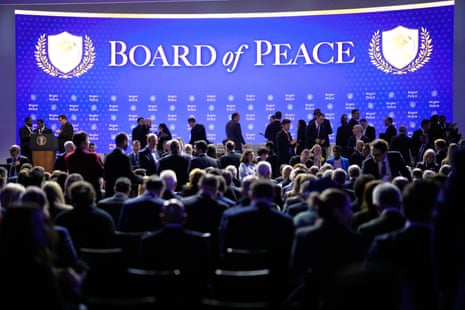
We’re being told the session will begin shortly, so to take out seats.
There are some free, towards the back, unlike yesterday for Trump’s speech which was quite the bunfight to get into.
Britain won't be signing board of peace treaty today
Britain will not sign Donald Trump’s “board of peace” treaty, Yvette Cooper has said, amid concerns about Russian involvement.
The foreign secretary said the UK strongly supported the US president’s 20-point plan for Gaza, which he is seeking to spotlight at the World Economic Forum in Davos on Thursday.
But asked whether the UK would join the so-called board of peace, she told BBC Breakfast:
“There’s a huge amount of work to do – we won’t be one of the signatories today, because this is about a legal treaty that raises much broader issues, and we do also have concerns about President Putin being part of something which is talking about peace, when we have still not seen any signs from Putin that there will be a commitment to peace in Ukraine.
“And to be honest, that is also what we should be talking about.”
Board of Peace signing expected in Davos shortly
There’s a buzz building at the World Economic Forum, as Donald Trump appears to be about to launch his Board for Peace.
Delegates are pouring into the large hall here in Davos, keen to see the signing ceremony for the body – which some fear could undermine the United Nations.
To get a better understanding of this new body, you can read this from my colleague Aamna Mohdin:
Farage: Carney gets everything wrong
Heather Stewart
Nigel Farage is being interviewed by Bloomberg’s Stephanie Flanders here in Davos this morning, and promising to tear down the pillars of UK economic policy, if his party comes to power.
The Reform CEO - as he described himself, confirmed that he would stop the Bank of England paying interest on QE reserves, accepting it might cost the UK’s banks £20bn.
“This will be tough for banks to accept. I get that. I’m sorry. The drain on the public finances is just too great,” he said.
When Flanders suggested banks would pass the costs on to their customers, he replied, “or they become more efficient, or they cut costs, or they do whatever. They should not have had this money.”
Farage also appeared to call into question the independence of the Bank of England - he said the governor after the EU referendum should have been a Brexiter.
Asked whether he backed Bank independence, he said, “what a catastrophe UK economic policy has been over the last 15 years, and we should challenge every single tenet of it.”
He described current Bank governor Andrew Bailey, whom he met recently, as “a perfectly polite, nice man,” but said, “they should have picked someone who’s Brexiter to take control of the Bank of England and to think totally differently, especially around financial markets.”
He said he wants to bring in experts from outside politics to draw up plans in a series of policy areas, comparing this to the US approach.
Farage also claimed debates here at the World Economic Forum (WEF) show that the Brexit vote was the start of a significant shift in the world order, away from “globalism”.
“Now everyone realises that actually, these were the first tremors of a very, very major change in political conversation and debate, and that, I think that was really large.”
Asked about Mark Carney’s call this week for mid-sized nations to club together in the face of Donald Trump’s disruptive approach to geopolitics, Farage joked, “good old Mark Carney, isn’t he marvellous? A chap who gets everything wrong and he’s been promoted - it’s remarkable.”
Merz: Germany has got the message about rise of world powers
Friedrich Merz outlines the important of raising Germany’s competitiveness, and expand and modernise its infrastructure.
In comments reminiscent of Canada’s Mark Carney’s speech on Tuesday, Merz concluded his speech by urging Davos to look at the “bigger picture”.
He says:
The world around us is changing at unprecedented pace. The direction it takes must worry us. A world of great powers is a new reality. Europe has got the message. Germany has got the message. We must and will live up to this challenge. My Government will do its homework and pursue an ambitious reform agenda revolving around security, competitiveness and European unity.
Our fate is in our hands. It is in our responsibility and our freedom to shape it. This historic task lies ahead of us. Germany wants to play a key role in mastering it.
Merz welcomes Trump's comments on Greenland deal
Turning to the crisis that has rocked Nato, and Europe, in recent days, Germany’s chancellor welcomes Donald Trump’s announcement last night that ‘the framework of a future deal’ on Greenland has been reached.
Friedrich Merz tells Davos that Germany welcomes that the US is taking the threat posed by Russia in the Arctic seriously.
He says this threat is an expression of the great power rivalry he is worried about – which is being aimed at both Europea and the US, such as through hybrid attacks in the Baltic Sea and in Russia’s winter war against the people of Ukraine.
Merz adds that Germany shares the conviction that, as European Nato allies, we must do more to secure the High North as Nato.
Merz says Denmark and the people of Greenland can count on Germany’s support, pledging to
We will protect Greenland, Denmark, and the high North from the threat posed by Russia.
Merz then explains that Germany will “uphold the principles” which the transatlantic partnership is founded on, namely sovereignty and territorial integrity.
As such, they support talks between Denmark, Greenland and the United States on the basis of these principles.
Merz says he has discussed this issue with Trump, Denmark’s PM Fredriksen, Nato’s Mark Rutte and others.
The aim of these talks is to agree for closer cooperation amongst allies in the High North.
And Merz warns it would be ‘unacceptable’ if the US had seized Greenland by force, as Trump ruled out last night.
He says:
It is good news that we are making steps into the right direction.
I welcome President Trump‘s remarks from last night. This is the right way to go.
Ladies and gentlemen, any threat to acquire European territory by force would be unacceptable.
Germany's Merz warns of rise of 'great powers'
Back in the WEF congress centre, Germany’s chancellor is addressing Davos, and warning that we are entering a world of ‘great powers’, which is a serious threat.
Friedrich Merz starts by telling delegates that the calm and peace up here on the magic mountain of Davos (as it is known) is at stark contrast to a world whose old order is “unravelling at breathtaking pace”.
Merz says Russia’s war of aggression against Ukraine has been the most drastic example, but the change runs much deeper, he says, saying China has worked its way into the ranks of the great powers, and the United States’ “global pole position” is being challenged
Merz declares:
We have entered a time of great-power politics. The international order of the past three decades - anchored in international law - has always been imperfect.
Today, its very foundations have been shaken.
Merz says this is “not a cosy place”
And he warns that world where only power counts is a dangerous place - first for small states, then for the middle powers, and ultimately for the great ones.
And harking back to the rise of Nazi Germany, Merz warns Davos delegates sternly:
I do not say this lightly. In the twentieth century, my country, Germany, went down this 6 road to its bitter end. It pulled the world into a black abyss.
Trump/Zelenskyy meeting confirmed for 1pm local time
We now have some extra clarity on the planned meeting between the US president and Ukrainian leader on the sidelines of the World Economic Forum.
The pair plan to meet at 1pm local time (or 12 noon GMT), Reuters report, citing a spokesperson. Ukraine’s international bonds rallied ahead of the meeting with broad hopes that progress could be made towards ending the war with Russia.
(Also happening later today: US envoy Steve Witkoff is set to meet with President Vladimir Putin in Moscow.)