6 hours ago
10
6 hours ago
10
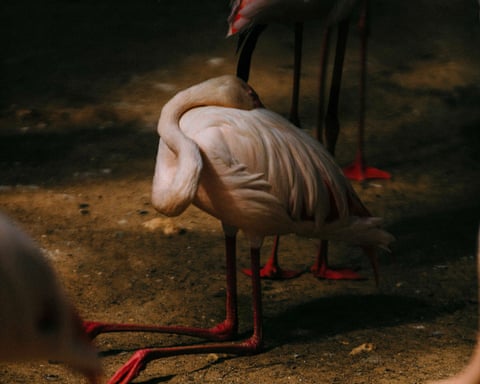
The exhibition space is showing the work of the winners of the Ulrike Crespo photography prize, inspired by everything from Chernobyl to migrating birds
‘Contradictions not immediately obvious’ … Kneeling Flamingo, 2026 Photograph: Stelios KallinikouWed 23 Sep 2026 08.00 CEST
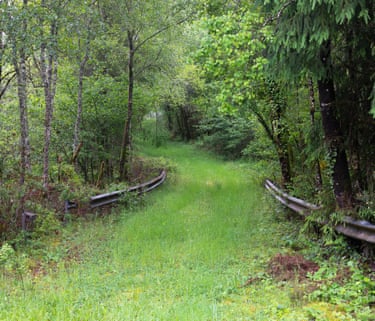
Lupin, Fougère, Genêt, 2024, by Susanne Kriemann
The exhibition space C/O Berlin is currently showing work by the two winners of this year’s After Nature, Ulrike Crespo photography prize: Stelios Kallinikou’s series Cliffs Among Dreams and Susanne Kriemann’s series In the Fever of the Sun, Butterflies Flutter in the Stomach.Both are on show until 20 January. Also showing is work by Carrie Mae Weems from her retrospective The Heart of the Matter, which runs until 3 February. For more info visit C/O Berlin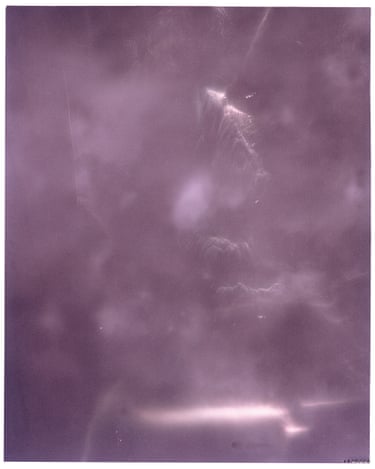
Pechblende (Fever), 2026, by Susanne Kriemann
Berlin artist Kriemann’s work tracks remnants of the industrial era and the atomic age into our immediate environment. Her extensive engagement with radioactivity was initially motivated by the Chernobyl disaster of 40 years ago, which remains a recurring motif in her artistic research. Her work now centres on the landscapes of former uranium extraction sites in Saxony, Thuringia and the Limousin region in France, where radiation is not an abstract phenomenon but present in the soil, flora and architecture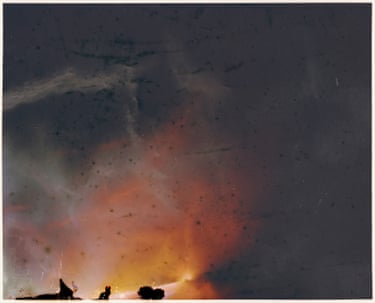
Pechblende (Fever), 2026, by Susanne Kriemann
Both artists take us to places where the past persists: to regions under military control, contaminated landscapes and into the very soil. They make palpable what cannot be apprehended with the senses, exploring how the photographic image might operate when what needs to be shown is invisible to the eye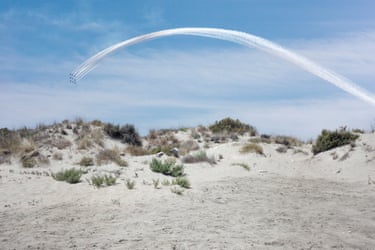
Red Arrows Rainbow, 2015, by Stelios Kallinikou
Cypriot artist Kallinikou’s work explores the Akrotiri peninsula in southern Cyprus. He has spent more than a decade photographing and filming this region where ecological diversity and military use are intertwined. Akrotiri is a Sovereign Base Area, which remained a British overseas territory even after Cyprus gained its independence in 1960. The Royal Air Force maintains a base there. It is also where the Akrotiri Salt Lake is located, a major wetland and stopping place for migratory birds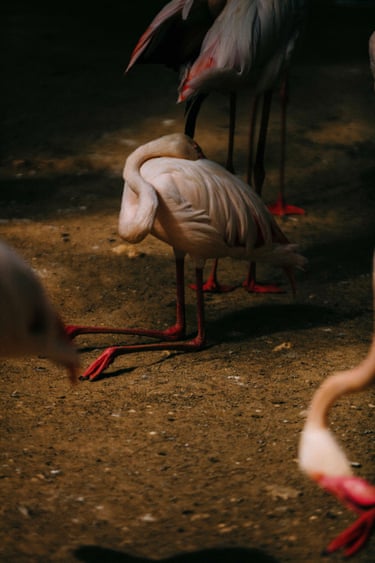
Kneeling Flamingo, 2026, by Stelios Kallinikou
Kallinikou’s photographs contain contradictions that are not immediately obvious. Flamingos linger in the salt lake while, on its shore, antennas and radar systems soar into the air. Birds, insects, rock formations and bodies of water intersect with military infrastructure, fences and air traffic. Rather than being presented as a set of buildings, the base is shown to define how Akrotiri may be viewed and understood. These visible elements point up what military secrecy conceals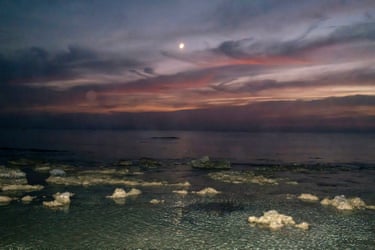
Dreamers Bay, 2026, by Stelios Kallinikou
Kallinikou’s work brings together geopolitical questions, geological periods and questions of migration, belonging and extinction against the backdrop of an island whose territorial boundaries have remained undefined since Turkish occupation of its northern part began in 1974
Welcome Home, 1978–84, from the series Family Pictures and Stories by Carrie Mae Weems
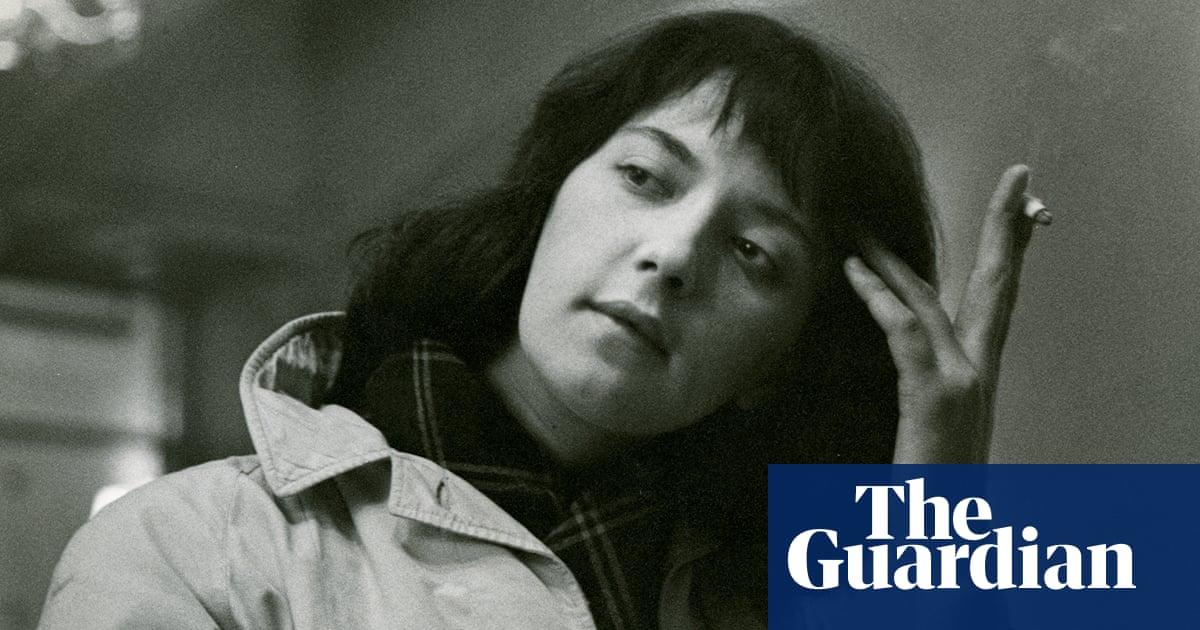
For more than four decades, Carrie Mae Weems has examined issues of power and memory in photographs, videos and installations. Her work unpacks and confronts constructions of race and femininity
Untitled, from the series Preach, 2024, by Carrie Mae Weems
Weems’ work explores how images determine who is seen and who remains invisible. Using her own biography as a starting point, she then goes far beyond the personal and investigates issues of identity, belonging and representation
Van and Vera with Kids in the Kitchen, from the series Family Pictures and Stories, 1978-84, by Carrie Mae Weems
In her series, Family Pictures and Stories, Weems combines photographs of family members with autobiographical texts
Untitled (Woman and Daughter with Makeup), 1990, by Carrie Mae Weems
In her Kitchen Table series, Weems focuses on domestic space as a stage for relationships. At the table, she takes on various roles and explores issues of love, partnership, motherhood, gender roles and self-determinationExplore more on these topics