4 hours ago
8
4 hours ago
8
Saving money and the planet needn’t always be mutually exclusive: sometimes making small, eco-friendly swaps at home can help you spend less. Whether it’s knitting your own dishcloths or long-lasting soap bars, we asked you to share your green, wallet-friendly tips.
Many of you had ideas for DIY household cleaning products. One anonymous reader swears by her own simple homemade cleaning spray: “In a spray bottle, add a tablespoon of white vinegar, a teaspoon of [eco] washing-up liquid and shake. It costs pennies and is really effective.”
Carol Wilkinson eschews disposable kitchen cloths and makes her own reusable ones. “I crochet or knit them using pure cotton yarn from places such as Søstrene Grene. There are plenty of patterns available online. Making dishcloths is also an excellent way to learn for new knitters,” she says. If you don’t have time to knit, reader Desirée loves Swedish cloths, which she says “work better than other kitchen cloths”. Elsewhere, reader Gina says a “regular tea towel” is more environmentally friendly and just as effective as kitchen roll. Our Filter tip: save your threadbare ones for the bathroom.
For Gavin Millar, it’s all about buying cleaning products in larger or recyclable containers to reduce plastic waste and save money. He buys “washing soda, baking soda and citric acid crystals in cardboard packaging, white vinegar or distilled malt vinegar in five-litre plastic containers or glass bottles, as well as rubbing alcohol or surgical spirit”. He also shops for eco washing-up liquid in “returnable five-litre plastic containers from companies such as Bio-D”.
Many of you mentioned taking mason jars to refill shops to reduce packaging waste. Desirée buys meat in bulk from Costco, then splits it up and freezes it in silicone bags – a more eco-friendly alternative to plastic zip ones. She also gets a weekly produce box of rescued excess or imperfect items destined for waste, and – “where OK to do so” – will eat past best-before dates so food doesn’t get thrown out.
Join the culture club
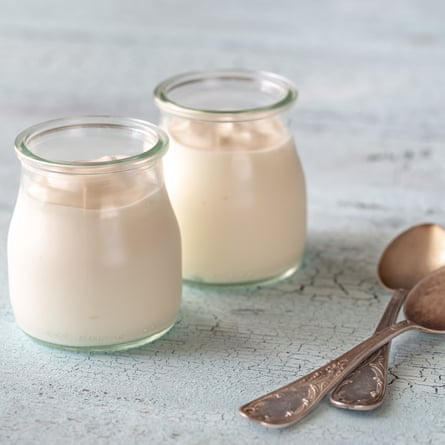
Gina bought her own yoghurt-maker to cut down on plastic pots and spending at the supermarket: “I splurged on a Seb Multidelices one because the French know their yoghurt. Mine came with six little glass pots that are exactly the right size; there’s also a 12-pot model. The yoghurt itself is so much better. You can play around with flavours, types of fruit and sweetness levels, and a lot of machines can also make vegan yoghurts and cream cheese.”
In the bathroom, soap bars were a popular way to save money and waste: “Not only are the bars wrapped in paper, but they also last far longer than a bottle of shower gel,” says Stuart Mayes. “I use ones by Nesti Dante, which produces soap free from petrochemicals, synthetic surfactants and microplastics. It uses vegan and, where possible, organic ingredients and sustainable energy to produce the soap.”
Thirty years ago, Mark switched to a metal safety razor instead of a plastic one: “It’s a Merkur 25C that uses traditional double-edge blades. It’s not just about not having a plastic razor, but never having to buy those expensive, throwaway, nonrecyclable plastic cartridge blades. I also use a shaving block, rather than shaving foam aerosols.”