3 months ago
98
3 months ago
98
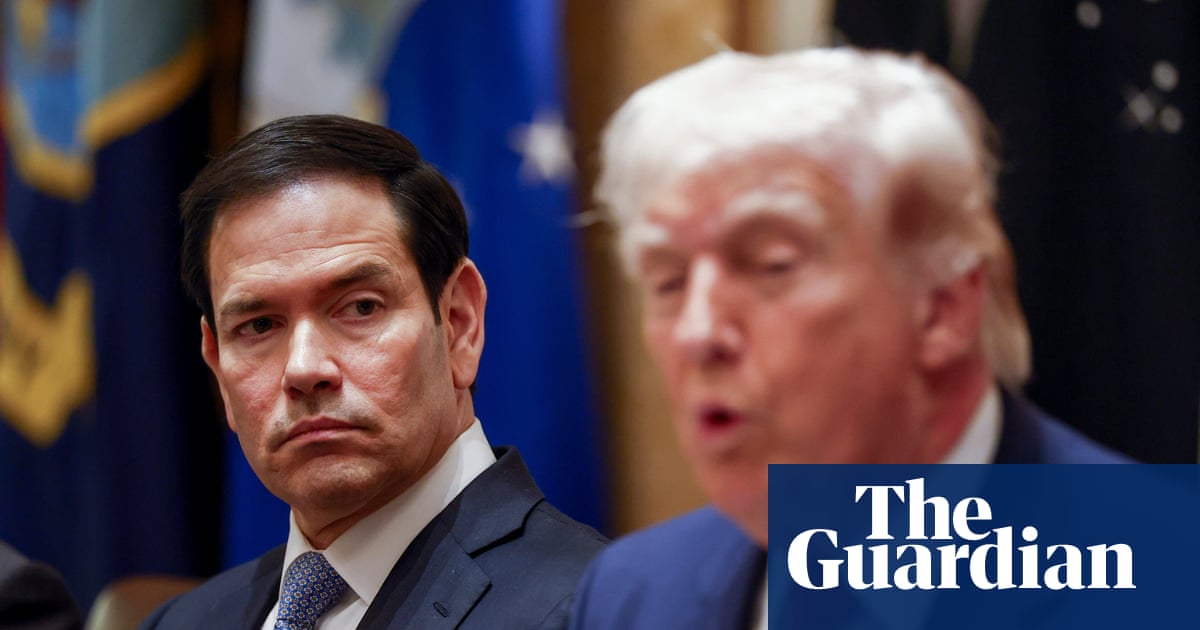
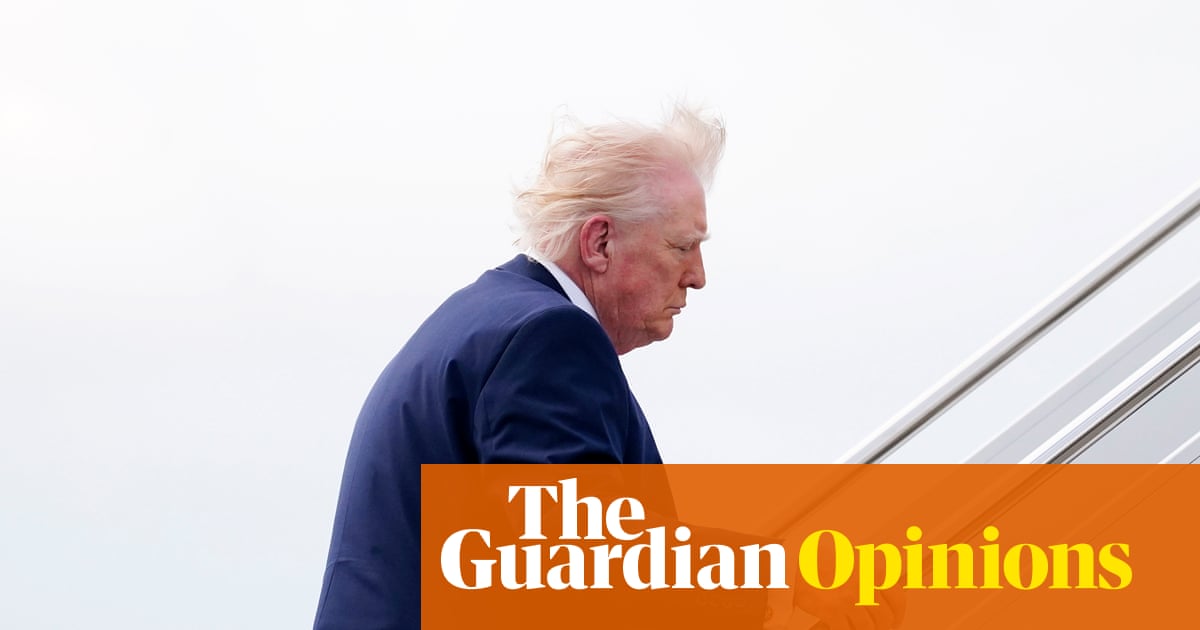
The negotiations over the war in Ukraine are frustrating and tragic. On the one side, a victim of aggression whose plight is more and more desperate. On the other, a brutal aggressor, willing to go to extraordinary lengths to win the war. In the middle, a transactional American president eager for a deal.
It’s no surprise that so many observers have railed against the proposals recently put forward by President Donald Trump and his emissary Steve Witkoff. These proposals appear to offer much to Russia and little to Ukraine – other than an end to the violence. If the negotiations produce a plan that offers Ukraine no hope of security after the war, no Ukrainian leader will accept it. Security is the core of sovereignty, and it would be political suicide to trade Ukraine’s sovereignty for peace.
But here is the problem: in the past, Kyiv and its partners repeatedly overestimated its leverage to end the war on favorable terms, only to find itself confronted with further Russian gains and a weaker negotiating position months later. That Ukraine’s leaders did this under immense strain and encouraged by western promises of long-term support is tragic but does not change the reality.
For many months after Russia invaded in 2022, Ukraine insisted on maximalist demands that sometimes included recapturing Crimea or returning Ukraine to its 2014 borders. These demands were unrealistic, and focusing on them ruled out more modest proposals at a time when Russia was still at risk of battlefield reversals and might have considered alternatives – as it appeared to do briefly at Istanbul in April 2022.
The following summer, as Russia’s invasion inched forward, a degree of realism set in. Maximalist objectives were moderated, but Kyiv and many of its partners insisted Ukraine join Nato – a demand that Russia clearly would not accept. Another year was lost. Ukraine’s position weakened further.
More recently, Russia has pulverized its way even deeper into the Donbass, turning the land into a moonscape of mines, bombed-out apartment blocks, and trees cut in half by artillery. Yet many of Ukraine’s backers insist Kyiv not cede this wasteland, even though battlefield trends over the last several months suggest Ukraine is very likely to lose it anyway.
Meanwhile military and political winds continue to blow in Ukraine’s face. Corruption scandals have reached the inner circle of the president himself, weakening him domestically and with Ukraine’s foreign backers. Although engaged right now, the United States under Trump may well disengage. Russia remains stable, militarily capable and retains the backing of China and other allies – despite the economic strain it faces from sanctions and massive battlefield losses.
The upshot is this: if what emerges from the current negotiations offers Ukraine a military capability and security guarantee – even a weak one – Ukraine should accept it. This is a bitter pill, but it could be Ukraine’s last chance to end the war with sovereignty intact.
If history holds, however, Ukraine may not. Then it will find itself in an even weaker position next year. Russia will move the goalposts again. It will insist on no security guarantee at all. It may even demand its own political allies be installed in Kyiv.
Ukraine will then no longer be negotiating to retain its sovereignty; it will be negotiating the details of its return to vassal status under Russia.
Morally and practically, Ukraine and its leaders are the only ones who can choose whether to agree to a settlement or continue the battle. Their costs are deeply sunk into this war – especially for the military, which is almost certain to resist any compromise, further straining Ukraine’s delicate civil-military balance.
But if Kyiv rejects an offer of peace, negotiated by Trump, there should be no illusions about what this will mean for further support from the United States – a likely end to vital intelligence sharing and the US weapons that now flow through Europe to Ukraine.
Unfortunately, the war has created perverse incentives for some of Ukraine’s partners, who may see continued fighting as their own best option – not because it’s best for Ukraine, but because it keeps the Russian army off their backs and gives them time to develop the military capabilities they need to deter a Russian onslaught in the future.
But this logic is wrongheaded. Europeans have more time than they realize to protect themselves against Russia, which will need years to reconstitute its military capabilities to be a serious threat to Nato.
Throughout the war, Ukraine has faced a Hobson’s choice between bad and worse options. Again and again, Ukraine and its partners have tried to escape this by doubling down on rhetoric and hope. Selling hard compromises to a nation whose suffering has gained the sympathy of millions around the world will be a huge challenge. But the geopolitical odds are stacked against Ukraine. Hoping reality away will not solve its problems or give its citizens – or Europe’s – the peace and prosperity they have been fighting for.
-
Christopher S Chivvis is a senior fellow and director of the American statecraft program at the Carnegie Endowment for International Peace