3 months ago
100
3 months ago
100
When bullets fired by Iran’s paramilitary force were sprayed at her home during a 2022 protest, Atefeh* realised her country was in a “hostage situation”.
“I couldn’t breathe any more. I was losing my mind and I was traumatised,” the activist says.
“I thought, ‘OK, you are shooting where my parents are as well, and you are threatening me in my own home. So that’s enough. I can’t handle it any more’.”
During the 2022 Women, Life, Freedom protests, the now 37-year-old joined demonstrators on the streets of Tehran. The protests – sparked by the death of 22-year-old Mahsa Amini in police custody after being detained for allegedly wearing her hijab improperly – swept through the country.
Sign up: AU Breaking News email
Within months of the shooting, Atefeh, who was working for an international food company in Iran, began making plans to move to Australia and complete postgraduate study.
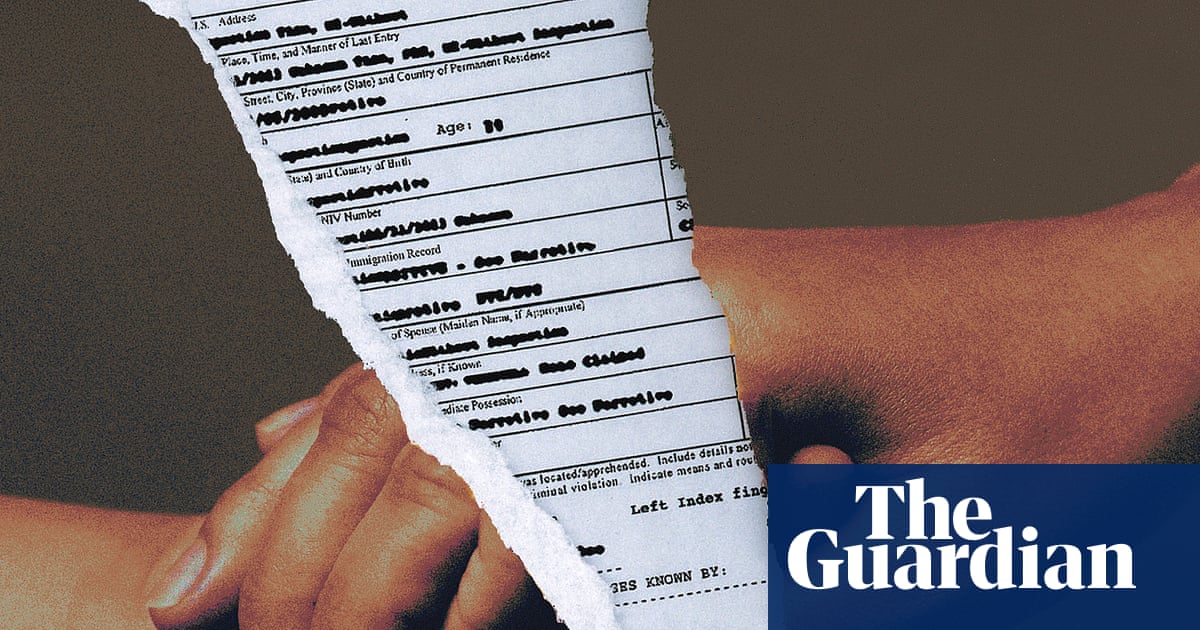
Now, three years later, Atefeh has weeks left on her student visa and fears she will be executed if she returns to Iran because she has previously protested against the authoritarian regime.
“There’s no way for me to go back right now. It’s too dangerous for me,” she says.
Atefeh says posting criticism of the Islamic Republic on social media and participating in anti-regime protests in Australia also make her a target.
The regime’s brutal crackdown on protesters in the most recent demonstrations has begun emerging, with some estimates suggesting the death toll may be more than 30,000.
Over the weekend Donald Trump said “we’ll see what happens” if the United States and Tehran are unable to make a deal to head off a regional conflict, warning that a huge US armada had assembled near Iran.
Leaving Iran in 2023, Atefeah planned to return home after studying. She clung to the hope that the Islamic theocracy, led by supreme leader, Ayatollah Ali Khamenei, would tumble and her country would have its “freedom back”.
“I thought I can come back and build up my own country,” she says.
But three years later as the regime attempts to suppress ongoing unrest with brutal violence, Atefeh says Iranians like herself on temporary visas are at grave risk if they return.
Atefeh’s study visa expires in mid-March. Due to visa changes which came into effect in July, she is no longer eligible for the post-study graduate visa because she is over 35.
The Department of Home Affairs said the reduction in maximum eligible age from 50 to 35 repositioned the visa as a “product for early career professionals”.
“We need some time to stay legally,” she says. “All I want is a temporary visa.”
In recent weeks, Atefeh has struggled to sleep as she contemplates what a return to Iran could mean.
“I’m so scared. I don’t know what to do,” she says. “I don’t have enough time to figure it out.”
While Australia has provided humanitarian assistance to those fleeing violence from the Middle East amid the Israel-Gaza conflict, Ukraine and Sudan, the government’s response to crises abroad has been described by immigration academics as ad hoc.
Last year, the Refugee Council of Australia’s pre-budget submission called for a cohesive national emergency response for people fleeing crises, noting that existing visa pathways have been inconsistent.
“Australia should respond in more equitable ways by ensuring people can access support and clear pathway options if the situation in their home country means safe return is not viable,” it said.
Anna Talbot, a lecturer at the the University of New South Wales’ Kaldor Centre who specialises in international law, said a streamlined emergency humanitarian visa scheme “would take the politics out” of the government’s response.
“As soon as a humanitarian crisis is identified, you could have a framework in place ready to go so that those people could have access to the protection that they need,” she said.
“That could be for whether they’re here in Australia as tourists or students or whatever it might be, or whether they’re elsewhere and they want to apply for a visa.”
A Home Affairs spokesperson said the department was closely monitoring the situation in Iran and continuing to assess visa applications lodged by Iranians in Australia.
A person applying for a protection visa must be found to be a refugee or meet Australia’s other protection obligations, the spokesperson said.
“Australia does not return individuals to situations where they face persecution or a real risk of torture, cruel, inhuman or degrading treatment or punishment, arbitrary deprivation of life or the application of the death penalty,” they said.
*Not her real name