3 months ago
96
3 months ago
96
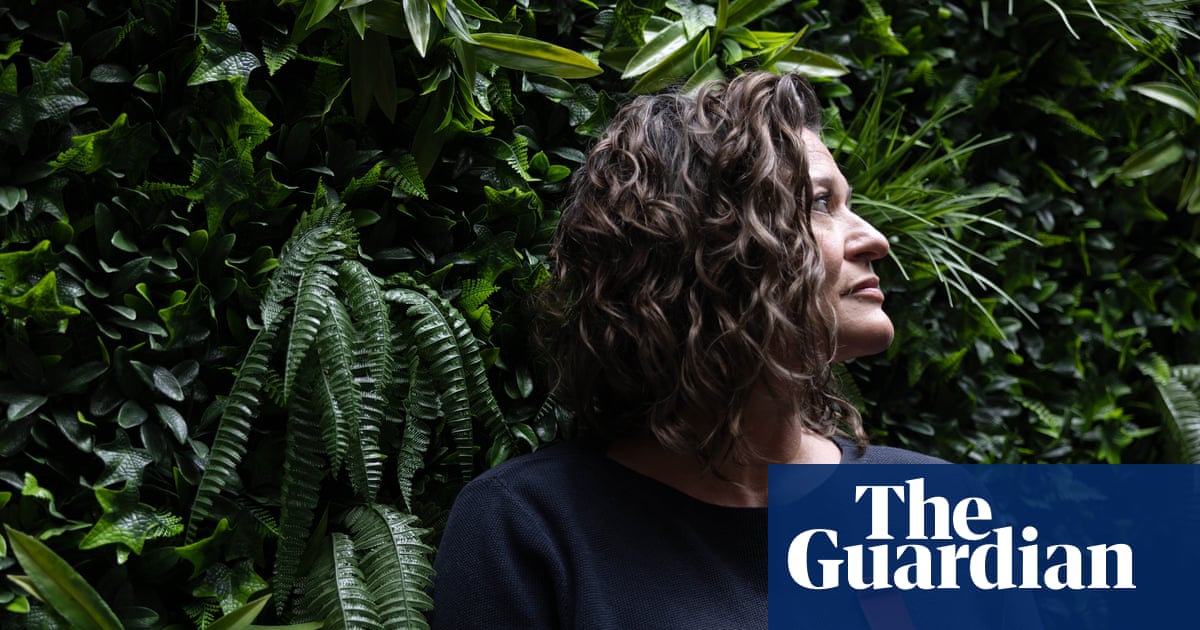
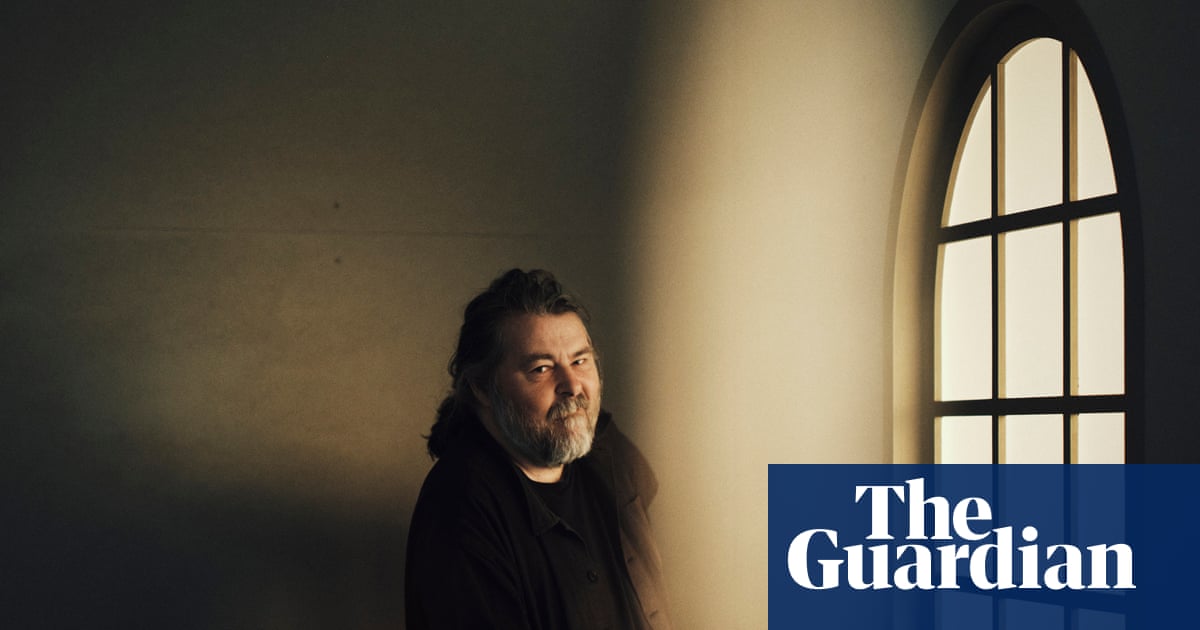
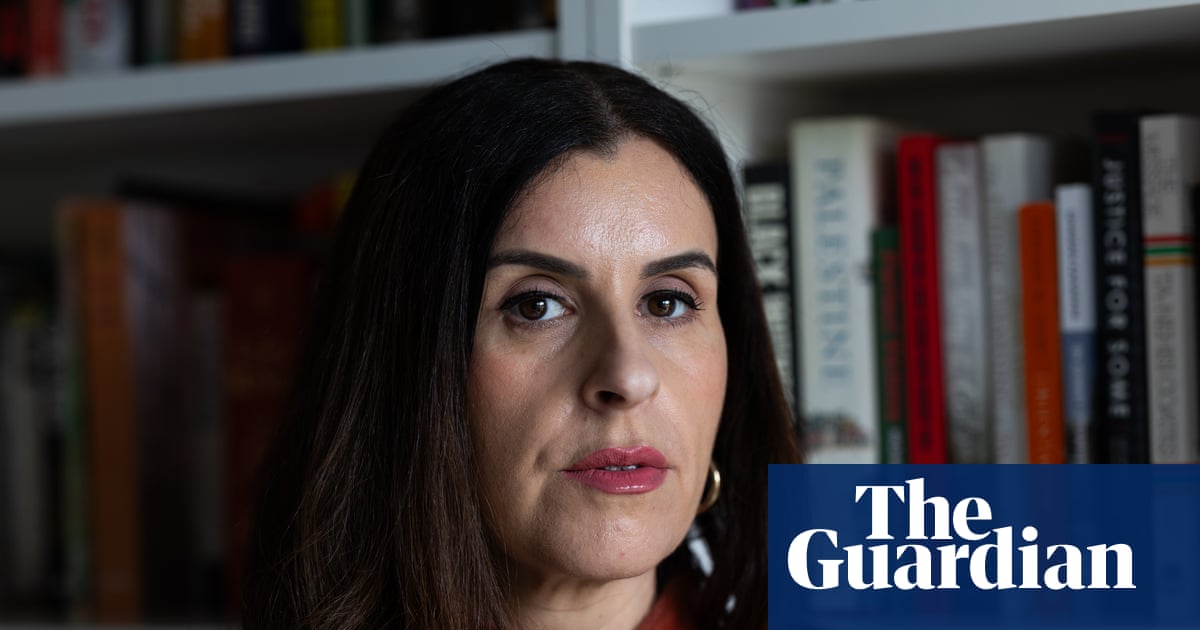
Bill Browder’s fight against Vladimir Putin has seen him face threats, lawsuits, false accusations of murder and Interpol arrest warrants. A disinformation-laden film was even made about him.
But 16 years after the death of his friend and lawyer Sergei Magnitsky at the hands of Putin’s regime, Browder is unrelenting in his fight for justice. It is an endeavour that, by his estimation, has cost Putin and his cronies billions of dollars already, via asset freezes and sanctions. Hence the considerable risk to his safety.
Browder has the restless intensity of a man who made his millions in post-Soviet Russia as the chief executive of Hermitage Capital Management, yet took on the even tougher challenge of standing up to the Kremlin.
On a recent visit to the World Economic Forum at the Swiss ski resort of Davos, he pursued chief executives, European leaders and US senators in his quest to impose even more financial pain on Putin and ultimately try to bring about the downfall of a murderous regime.
Like many seasoned Russia watchers, he is sceptical that any of the drawn-out attempts to secure a peace deal acceptable to Moscow, Kyiv and Washington will be a success.
Putin’s fate depends on the war, and Browder says the Russian president has no way out.
“Putin has no ability to stop the war because he started the war as a war of distraction against his own incompetence. This is a war not because there’s any real problem with Ukraine.
“It’s because he needs to be at war so that there’s a foreign enemy and not people getting angry with him for a lousy life that he’s created for most Russian people. And so if he were to stop the war, he would lose power. And if he lost power, he’d end up getting killed.
“And the Ukrainians can’t stop the war or can’t stop defending themselves because they understand they will die.
“When they get occupied, Bucha is the model. The Ukrainians understand full well that the women will be raped, the men tortured and killed and the children kidnapped. So neither side has any capacity to stop.”
Almost four years on, the intractable nature of Putin’s invasion of Ukraine is clear for many of Europe’s leaders. The Finnish president, Alexander Stubb, says Russia’s exhausted financial reserves, economic stagnation, surging inflation and high interest rates mean it is incapable of paying its soldiers when the war ends.
Stubb told an audience at Davos: “I’m more worried about Russia’s unwillingness to end this war because they cannot afford to do so than about Russia’s capability to win this war. This war has been an utter strategic failure of President Putin.”
Browder, who in 2012 succeeded in getting sanctions imposed on Russians involved in Magnitsky’s death, has for several years been trying to convince Europe to divert more than $200bn (£146bn) of Russian assets that were frozen in 2022 towards Ukraine’s defence.
But with progress on those frozen assets stalled because of opposition primarily from Belgium, he has a new focus: refineries in India, China and Turkey. These plants process Russia’s oil, turning it into products such as petrol, diesel and jet fuel, and keep dollars flowing into the Kremlin’s coffers.
Browder reckons the eight refineries are collectively funnelling between $500m and $1bn a day to Russia by buying its crude oil, and is pushing for sanctions to be imposed on their owners.
“It’s just the most straightforward, obvious thing I’ve ever seen. How does Putin afford this war? And it’s with the sale of crude oil. Who buys the crude oil? There’s three countries that are the main purchasers: China, India and Turkey.
“If they stopped buying the Russian oil, the price that Russia would be able to get from their oil, considering that it would be the oil equivalent of blood diamonds, it would sell at some enormous discount. And then, I believe in six months’ time, Putin would be pretty much out of business.”
Attention in recent weeks has focused on Russia’s shadow fleet oil tankers that transport its crude but whose ownership is often sheltered via opaque layers of ownership. Browder calls that a “really indirect” way of targeting Putin’s resources.
“You can either go to the people who buy the oil and they don’t buy it, or you can go to the 200 ships that are transporting the oil and they don’t transport it. It’s easier to get the people.”
There are some signs that some of the refineries are starting to act: Bloomberg reported recently that deliveries of Russian crude into India ports slumped in December to their lowest level in more than three years.
Meanwhile, Browder has not given up on the frozen Russian sovereign assets, that are primarily held at Belgian depository Euroclear.
Tortuous negotiations around transferring those assets to Ukraine to help fund the war ultimately hit a road block in the form of Belgium. Its prime minister, Bart De Wever, as well as the bosses of Euroclear, have faced personal threats. Europe agreed in December to lend Ukraine €90bn (£78bn) – although not secured against those assets – money that will start to arrive in April or May.
De Wever insisted at Davos that sending those assets to Ukraine would be a bridge too far: “Europe is not at war with Russia. You cannot simply confiscate money. That is an act of war. You should not underestimate it – it has never happened in history.”
But Browder argues Belgium’s leader is putting his personal safety above national interests, and that sending the money to Ukraine would be an extension of Europe’s current policy of handing their interest paid on those assets to Kyiv.
“Regardless of all these 20-point peace plans, negotiations, the war’s not going to end,” he says. “And so we’re going to be sitting here a year from now. We’ll have burned through half of that loan and we’re going to need to be thinking about what happens next.
“I’ve been at war with Putin for the last 15 years, I don’t feel good about it, but for my reasons, taking responsibility for the murder of one of my colleagues, I chose to go after them. This guy [De Wever] has infinitely greater resources.
“So if I can handle it, so can he.”