3 months ago
118
3 months ago
118
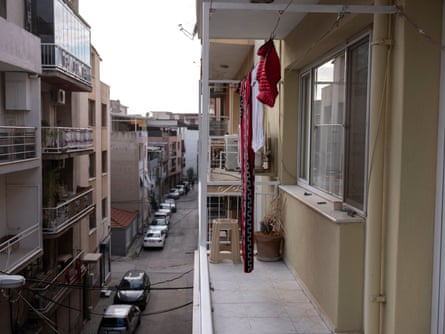
Almost nothing seemed to scare Şebnem Köker. With her hair dyed fire-engine red, the 29-year-old nurse lived life by her own rules. Friends say she was so headstrong, she’d be getting ready for a night out in their home town, the Turkish coastal city of İzmir, and suddenly suggest a change of plan to a last-minute trip away. Even a prospective move to Canada didn’t seem to daunt her. But there was one thing that had terrified Şebnem: heights. Her father, Abdullah, says she was afraid to even tiptoe on to the slim balcony that wraps around the third-floor apartment they shared in İzmir.
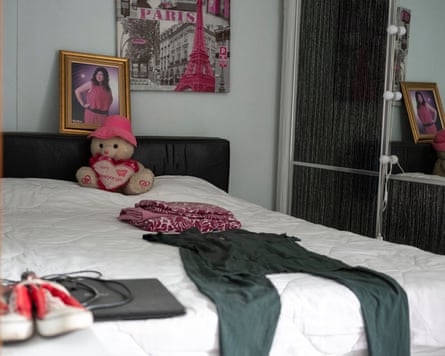
“She wouldn’t even have a cigarette or eat out there. She wouldn’t hang laundry on the balcony,” he says, sitting on the sofa in the darkened living room they once shared. A pouting portrait of Şebnem is tucked into the frame of a mirror on the opposite wall.
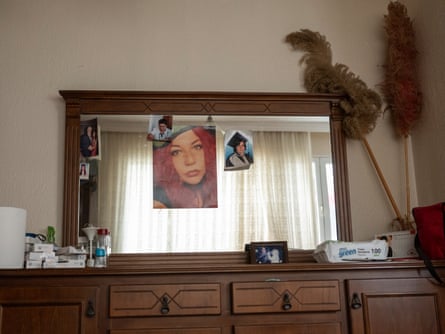
So when police implied she had killed herself by jumping out of a hotel window, Abdullah was stunned. “She was my daughter for 29 years – it’s impossible she jumped from that height,” he says. “If she had wanted to kill herself, she would have taken pills or something else. There’s no way she would have done this.”
What the police hadn’t mentioned was that there was another person in the hotel room at the time his daughter had allegedly hurled herself to her death.
Sebnem had told her father she was going to visit friends in Istanbul. To her friends she had mentioned a married man she was going to meet – not for anything serious, just a weekend of fun. He was a commercial ship captain she’d seen off and on for about a year. Abdullah was a little perturbed when she called from an unknown number to say she had lost her phone: his normally confident daughter sounded out of sorts. He laughed and gently told her to call her phone on the one in her hand. It was the last time they would ever speak.
The next thing Abdullah remembers is being shaken awake around dawn on the day his daughter was due to return. His distressed brother-in-law said Şebnem had been in an accident. Within minutes they had piled into the car, starting a frantic five-hour journey to Istanbul.
Abdullah remembered the call from the unknown number as he crossed into Istanbul, and dialled it. “I couldn’t hold her; she died in my arms,” an unfamiliar male voice said, before abruptly hanging up. This was how Abdullah learned his daughter was dead.
He was shown Şebnem’s body in a municipal morgue; he could see blood seeping on to the metal table. Mortuary workers handed him a document saying she had fallen 9 metres (30ft) from a hotel window on to metal railings below. Abdullah was too deep in shock to read it, let alone understand what it implied.
The moment he entered the local police station, officers asked if Şebnem had been suicidal, then bombarded him with questions about her mental health – but he got the feeling they had already made up their minds. “They were guiding me to believe it was suicide,” he says. “But they never provided any evidence – if they had, I would have taken it and moved on.”
There was a lot Abdullah didn’t yet understand as he sat in an Istanbul police station on that hot day in June five years ago. Prosecutors in Turkey hold the power to judge whether any death warrants investigation in the crucial initial hours; in Şebnem’s case, police visited the scene, but the prosecutor did not, indicating the authorities didn’t see any need to investigate whether she had been pushed to her death.
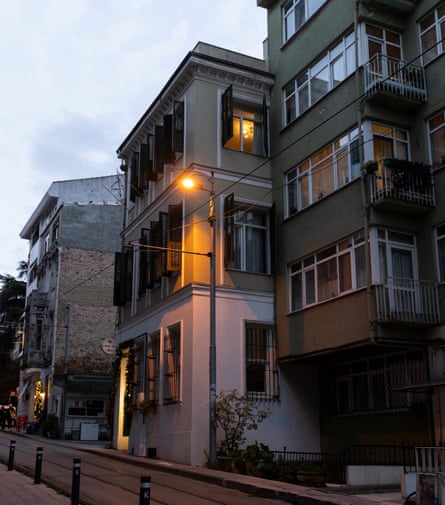
But even as Abdullah was forced to field questions about his daughter’s mental health, the police had failed to disclose a key detail. Şebnem was not alone on the night she died. The man in the hotel room with her, the last person to see her alive, was also at the police station, to give a witness statement – he was not yet considered a suspect. Commercial captain Timuçin Bayhan told police he didn’t see her fall as he was asleep in another room in the hotel suite: “I heard a thud … I thought she might have fallen down the stairs as she was drunk.”
An autopsy would show Şebnem had significant alcohol in her blood. A hotel worker would give evidence that Şebnem appeared to be drunk on the day she died. But Yunus Gençay, who had worked with her from 2016 to 2019 and who accompanied Abdullah to the morgue and police station, later testified that she wasn’t known as a big drinker. He also said when they met in the police station yard that day, Bayhan gave him a different account: that he had gone down to the hotel reception to collect a beer delivery when he heard a noise. After returning to find their room empty, he ran downstairs, where Şebnem “passed away in his arms”. He and his lawyer deny this exchange ever happened.
In his initial statement to police, Bayhan said he warned Şebnem she might fall. “Don’t sit by the window, something will happen to you,” he recalled telling her.
Hundreds of women are recorded in Turkish government data every year as having taken their lives by “throwing themselves from a high place”. The numbers have grown exponentially: one in every four female suicides in Turkey is now attributed to this cause, compared with one in five 10 years ago. State records for 2024 state more than 250 women died this way.
Their grieving families, along with campaigners against gender-based violence, say these figures conceal cases where women did not jump but were pushed. Many say they have struggled for years to get justice and claim officials are ignoring or obscuring femicides – murders of women targeted because of their gender.
“Autopsies start at the crime scene: police must treat these cases as suspicious and collect all the evidence available,” says doctor and women’s rights campaigner Gülsüm Kav. “But even if they do, prosecutors can still decide it’s an accident or a suicide and close the case.” The increase in these cases, she says, is linked to improved forensic techniques. “We used to see women dying due to poisoning, but now, with blood tests, you can see if someone was poisoned. So we see a decrease in that and an increase in deaths by falling. It’s harder to prove if these are a suicide, an accident or a femicide.”
Kav has spent much of her professional life trying to get the Turkish state to take gendered violence seriously, founding the group We Will Stop Femicide (WWSF) 15 years ago. Turkey discloses official statistics on femicide in an annual statement by interior minister Ali Yerlikaya, who last year declared triumphantly that only 217 women had been killed in the first 10 months of 2025. (In 2024 he was criticised for citing 32 cases in which he claimed female victims had not complied with restraining orders against violent partners: “They did not obey our warning, opened the door to a man, and he shot her inside.”)
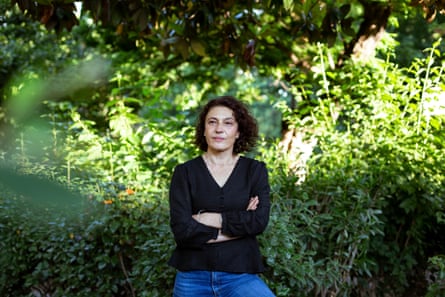

But Kav says the Turkish government systematically undercounts femicides. WWSF collect its own data and says 2024 was a record year for violence against women, recording 394 femicides and 258 suspicious deaths, 40 of which were attributed to falling.
What frustrates Kav is that forensics experts have ways to judge whether someone was pushed or fell. Researchers from the Netherlands developed computer modelling several years ago to answer this question. Campaigners in Turkey scored a landmark victory in 2019 with the conviction of businessman Çağatay Aksu for the killing of Şule Çet, a 23-year-old student, after a physics report by a forensics expert proved he had pushed her from the 20th floor of an Ankara high-rise. In Kav’s view, suspicious “deaths by falling” could be conclusively investigated with proper forensics.
It was at Şebnem’s funeral, the day after her death, that doubts began to increase. As friends and family gathered in the Kökers’ apartment, Abdullah and Şebnem’s childhood best friend, Nevraz Sığın, shared their rising scepticism about the idea that she had killed herself. A family friend who is a police officer joined them. He asked Abdullah for Şebnem’s details to access the witness statements gathered in Istanbul, then told him, “I read the statements. This is a homicide.”
This was how Abdullah learned Şebnem was not alone before she died. He called Bayhan again, to go over what happened. “The way he told the story was very different from what I heard at the police station,” Abdullah says. “He described it more like she fell or there was an accident. After that conversation, we noticed contradictions.”
That Şebnem would sit near an open window high up, let alone jump from there to her death, made no sense to Sığın. The pair were lifelong friends who grew up on the same street in İzmir. A bond formed during childhood sleepovers became a teenage alliance, planning nights out and battling anyone they felt might hold them back. Sığın recalls her friend as a social butterfly who liked to party but never overdid it, fond of spontaneous trips to a nearby beach town. She had a softer side, though – often tucking her father in when he fell asleep on the sofa after a few drinks – and was weighing a move to join her mother and brother in Canada.
“She was always going to do exactly what she wanted to do,” Sığın says, proudly. “Usually she was dating several people at the same time, and this guy happened to be one of them; it wasn’t a serious thing.”

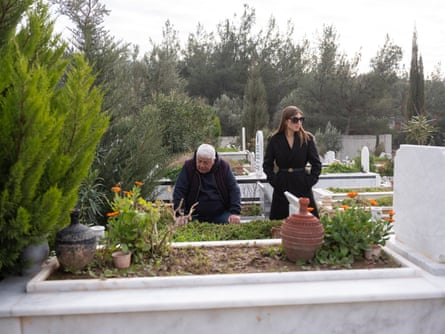
Still reeling from her loss, Sığın, a lawyer, stepped up to represent the Köker family. First, she visited the little three-storey hotel where Şebnem fell to her death. When local media released security camera footage of the couple fighting on a dark street outside it – Şebnem in a summer dress, squaring her shoulders at Bayhan – Sığın’s suspicions grew. She spoke with waiters in a nearby fish restaurant, who recalled the pair angrily leaving what was meant to be a romantic dinner there.
Sığın also got access to the police records, including a video they took inside the hotel room the morning after Şebnem’s death. This appears to show evidence of a clash: large spots of blood on the floor and a torn dark green-painted fingernail tangled in the bedsheet.
Then there were Şebnem’s conversations with her friends. In a text, she told one, Hatice, that Bayhan had been reading her messages. Then she overheard him on the phone talking to his wife, using the same nicknames as he did for her. “I couldn’t have learned a better lesson,” she said. This entire fling had been a waste of her time.
The day before she died, Şebnem called another friend, Ufuk Köse, who works just outside Istanbul. Köse later told police she had sounded anxious. “She said, ‘I’m in a bit of a tight spot. If I call you, can you come and pick me up?’” Şebnem never called back.
Sığın hounded the prosecutor and the authorities interviewed Bayhan again – this time as a suspect. A week after Şebnem’s death, Bayhan told the prosecutor the pair had been drinking since the early afternoon before arguing over his refusal to leave his wife; she tore off her fingernail by tugging on his arm. Then he offered new information he hadn’t mentioned when interviewed as a witness: that day, Şebnem had discussed a suicide attempt from over a decade earlier, “by taking pills”. She took antidepressants for a while, he said, but disliked the weight she gained.
After this conversation he fell asleep in another room, he said, before waking to a loud noise. The window was open and he peered out to see Şebnem’s body on the railings below. “I had no motive to kill Şebnem or to encourage her to commit suicide,” he said. “I didn’t see how she fell. I don’t know if she committed suicide.”
When the prosecutor sought arrest, compelling him to appear in court, Bayhan maintained his innocence. Witnesses had heard shouting but only because he had to yell at Şebnem to get her to listen after a day of drinking, he said. “I kept my distance … I warned her that she could fall out of the window because she was drunk,” he added. He was released on bail to await trial.
Sığın began to fixate on crime scene photographs – so gruesome that the first time she saw them she fainted. They show the contorted position Şebnem landed in, arched away from the window, red hair skimming the ground. The railings on which she was impaled circle a patio below, covered in netting. When investigators threw a weighted mannequin from the hotel window to simulate Şebnem’s fall, the results suggested her body must have fallen rather than been pushed.
When asked about the earlier suicide attempt, Sığın is dismissive. “She was a character who wanted things to happen on her schedule,” she says, so one time she took some of Abdullah’s pills in a show of defiance. Şebnem hadn’t taken antidepressants for years, she adds.
Three years earlier, in February 2018, two passing medics spotted a group at the side of a busy highway on the outskirts of Istanbul and went to help. The group were gathered around the still-warm, motionless body of Aysun Yıldırım, debating what to do after finding her on concrete steps below the three-storey office block she worked in. Alarmed, the medics called an ambulance.
For her mother Hüsniye, life is split into before and after she got the call to say Aysun was in hospital. “She had called her sister to say she’d be late for dinner a couple of hours before,” she says. “Then her friend called.” Hüsniye and her husband İbrahim raced to the hospital, where they were told Aysun was in a critical condition. She was pronounced dead soon after. They believe if she had been taken to hospital earlier, she might have lived.
Retelling the worst evening of her life in the family’s living room, Hüsniye describes it as an “out of body experience”. The prosecutor assigned to the case told İbrahim he was so confident Aysun had jumped 17 metres (56 feet) from her office window to her death that they would release her body for burial only if he signed a document attesting she had taken her own life. Hüsniye begged her husband not to sign and eventually a workaround was found. “The prosecutor wouldn’t say why he thought it was a suicide,” İbrahim says. “He was supposed to go to the scene, but he didn’t.”
İbrahim kneels on the living room rug to demonstrate the strange position his daughter was found in. It makes them doubt whether she fell at all. “I didn’t believe it was suicide … There was no blood,” he says. An autopsy showed Aysun died from internal organ damage and a brain haemorrhage due to the impact of the fall.
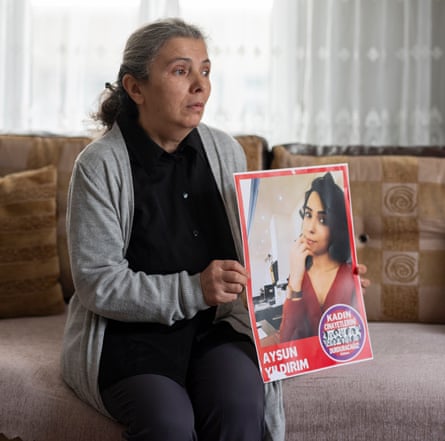

When Hüsniye and İbrahim talk about their daughter, they describe a young woman on the brink of achieving her dreams. Sociable and hard-working, the 26-year-old had taken a job in a shipping office as she prepared for an exam to become a customs official. Hüsniye knew she had gone out for coffee a few times with a client, but felt her daughter wanted to end the relationship. When they spoke the night before she died, Aysun was also talking about quitting her job to focus on her exam.
After she fell, Hüsniye and İbrahim began visiting the prosecutor to press him for details of the investigation. They grew frustrated at the slow pace. İbrahim describes chasing forensic authorities, and being handed a bag of his daughter’s belongings. They could see where she died from the prosecutor’s window.
The Yıldırıms believe there was evidence to cast doubt on Aysun having died by suicide, if prosecutors were willing to examine it – including that she may not have been alone when she fell. They point to messages Aysun had sent to the client she had been seeing, politely but firmly asking him to stop contacting her. Perhaps when he ended his marriage they could talk: “Until then, don’t write to me. Take care of yourself – I entrust you to God,” she wrote, employing a common Turkish phrase used to let someone down gently.
Aysun’s client was interviewed by police as a witness in the hours after she died. He described how he grew worried after she didn’t answer his texts, before arriving at her office to see the lights were on. Distressed, he called her boss, who he says found her body on the steps. In later statements he describes visiting the offices, but waiting in a friend’s car. His friend also spoke to police, but in his account he says he discovered Aysun’s body on the concrete steps below her office. He recounted checking for a pulse, and finding she was still alive.
Years later, standing outside the office block, there is little sign of what happened there. The steps where Aysun’s body was found have been smoothed over with concrete. There is a large dent in some railings, caused when police hurled a mannequin from the window to try to verify how Aysun could have fallen. But the mechanics whose workshops sit below Aysun’s office remember her – and one recalls the night she died.
Car painter Orhan Harman peers into the distance and scratches at his chin as he tells the story he has clearly told and retold. He was working late that night when he “heard a scream and a noise like the thud of something heavy”. Thinking there had been a car accident, he walked out of his workshop and peered round the corner, but saw nothing. He went back to work.
Harman recalls another detail: a familiar face had shown up that night, a long-haired man whose car he’d spotted Aysun getting into a few times: “Maybe it was her boyfriend.” Harman had got the impression Aysun’s bosses liked this man, so when he asked for the key to the building, Harman, seeing the lights on, let him in.
“There’s an extra door upstairs. If there was any danger, she could have just not let him in. He didn’t look like a guy who’d do anything,” he muses. But eight years later, Harman struggles to remember if he opened the door before or after he heard the scream. He gave the police a statement at the time, he says, but never thought about it after – and no one had asked until now.
The only reminders of what happened here are when occasional protesters show up. “She was so friendly, so nice, we were always saying hello. I’m glad I didn’t see her body; it would have hit me so hard,” Harman says.
In December 2018, the prosecutor closed Aysun’s case after concluding it was a suicide. Hüsniye and İbrahim were distraught. In their view, the justice system they once believed in had betrayed them.
Searching desperately for help, İbrahim remembered Kav, the doctor and campaigner he once worked with at a public hospital. He picked up the phone and called her. By chance she was sitting next to Leyla Süren, one of WWSF’s lawyers, who agreed to take on Aysun’s case.
Sitting in her wood-panelled office in central Istanbul, Süren describes her shock when she opened the case file. Police had collected plenty of evidence, but Süren felt the prosecutor had ignored key parts of it, including the messages on Aysun’s phone. “There was enough evidence for a criminal case,” she says.
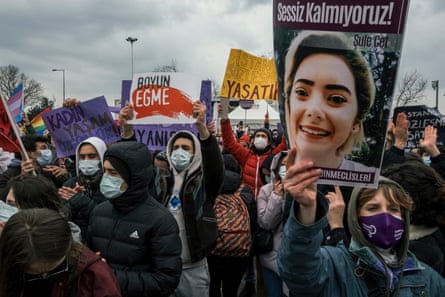
Forensic evidence had sat unexamined: it showed Aysun had DNA under her fingernails that matched the client she had been texting the night she died. Süren requested phone location data, which showed he was at the crime scene within four hours of Aysun’s death. Police had also found a footprint on a couch in her office.
“There were no fingerprints on the narrow window she allegedly jumped from. But you can’t jump from there – you’d have to hold on to the window,” Süren says.
After she applied to Turkey’s constitutional court to get the case reopened, a new prosecutor took it up and arrested Aysun’s client in late 2019. Things finally seemed to be moving forward – until the world was shut down by Covid-19 . The client was held in pre-trial detention for five months, before being released.
Little has changed in the years since, despite Süren’s efforts. Progress has been so slow, Süren says, that no matter what happens, she intends to take Aysun’s case to the European court of human rights. She believes the Turkish authorities discriminated against Aysun by failing to investigate her death because of her gender.
Hüsniye and İbrahim are still groping in the dark, trying to figure out what happened. Their pain is palpable as we talk in their sweltering living room, a portrait of Aysun smiling from the wall above the television. “It feels like there is only justice for the powerful,” Hüsniye says. “Even if it comes late, justice must be served.”
Progress was similarly slow in the investigation into Şebnem’s death. Abdullah grew so desperate that he went on a local daytime television show that specialises in unsolved crimes. As its investigators got close to giving their account of what happened that night, he got a call from the prosecutor, inviting him to a meeting. Bayhan would be indicted on murder charges, he said, but he would issue a gag order – meaning Abdullah could no longer appear on television in his search for answers.
Still, Abdullah used the meeting to ask questions – such as why the prosecutor had declined to visit the crime scene. “There were two people in a room: one became a witness and the other a corpse. Why?” Turkey’s justice ministry declined to comment for this article on either Şebnem’s or Aysun’s cases.
Bayhan’s case finally made it to court in early 2022. His lawyer said he was innocent, pointing out if Şebnem had felt in danger, she could have told someone, and adding that Bayhan was consistent in his statements to prosecutors and the court. Bayhan said they’d argued but had “no physical contact” other than when Şebnem tore her nail on his arm. Asked about his varying accounts of that night, he said prosecutors hadn’t written down everything he’d said, and accused Gençay and Abdullah of lying in their testimonies. “If anyone has been involved in a struggle for justice, it is me. I understand the family’s pain, but I will not allow them to ruin my life. I did not kill Şebnem,” Bayhan said.
Sığın asked the court to consider that hotel staff had entered the room after the police left, potentially interfering with key evidence such as fingerprints on the window frame. She also demanded a physics report be commissioned from a forensics expert to analyse how Şebnem fell, just like in the Şule Çet case from 2019 – this would show definitively, beyond the mannequin test, whether she was pushed. Her request was denied.
Bayhan was acquitted in late 2022. The court found that, while it had heard many witnesses, there was a “lack of concrete evidence” to prove beyond any doubt that he committed murder. The judge highlighted Şebnem’s high level of intoxication. The couple arguing was part of “the normal course of life” and witness testimony, plus the mannequin test, “were not consistent” with the idea that Bayhan pushed or threw Şebnem out the window. The judgment also cited the Turkish constitution, which obliges the state to treat women and men equally.
Both Abdullah and Sığın believe evidence to show Bayhan pushed Şebnem was available, if only the court had agreed to examine it. Bayhan’s lawyer disagrees. “This was a tragic incident. Whether Ms Köker fell or jumped is something we do not know. What we do know, according to the findings examined by the court, is that my client did not harm Ms Köker.”
Sığın appealed against Bayhan’s acquittal twice until it reached Turkey’s highest appeals court. In June 2024, its chief public prosecutor’s office said the initial trial failed to interview key witnesses and examine evidence tampering – and that to understand what happened, the authorities should commission a physics report by a forensic expert, as Sığın had demanded. Bayhan’s lawyer maintains this would still exonerate him.
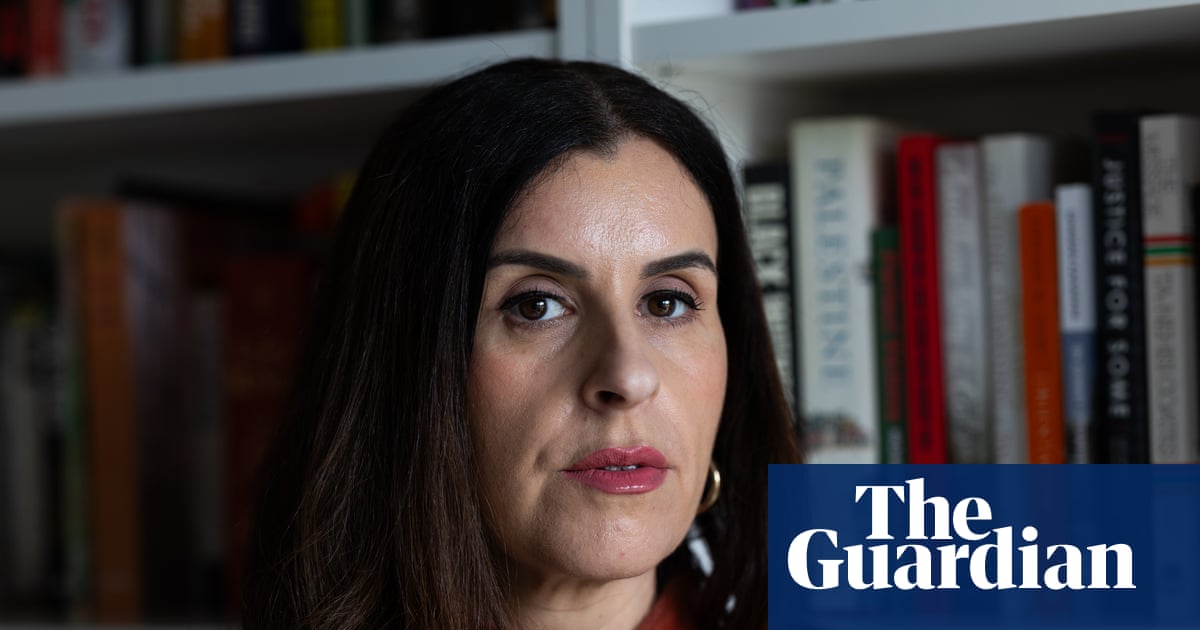
Sığın and Abdullah still hold out hope that Şebnem’s death could be re-examined at the top appeals court. But, as with Aysun’s case, months have become years of waiting. Sığın has begun working as a lawyer for WWSF. When we meet in a sunlit rooftop restaurant in İzmir, she has just come from a court appearance. Some prosecutors in Turkey take violence against women seriously, she says, but “it’s a struggle against a system”.
She carries the gruesome crime scene pictures of Şebnem on her phone, ready to work on the case at a moment’s notice. She wants to ensure that Abdullah never sees them.
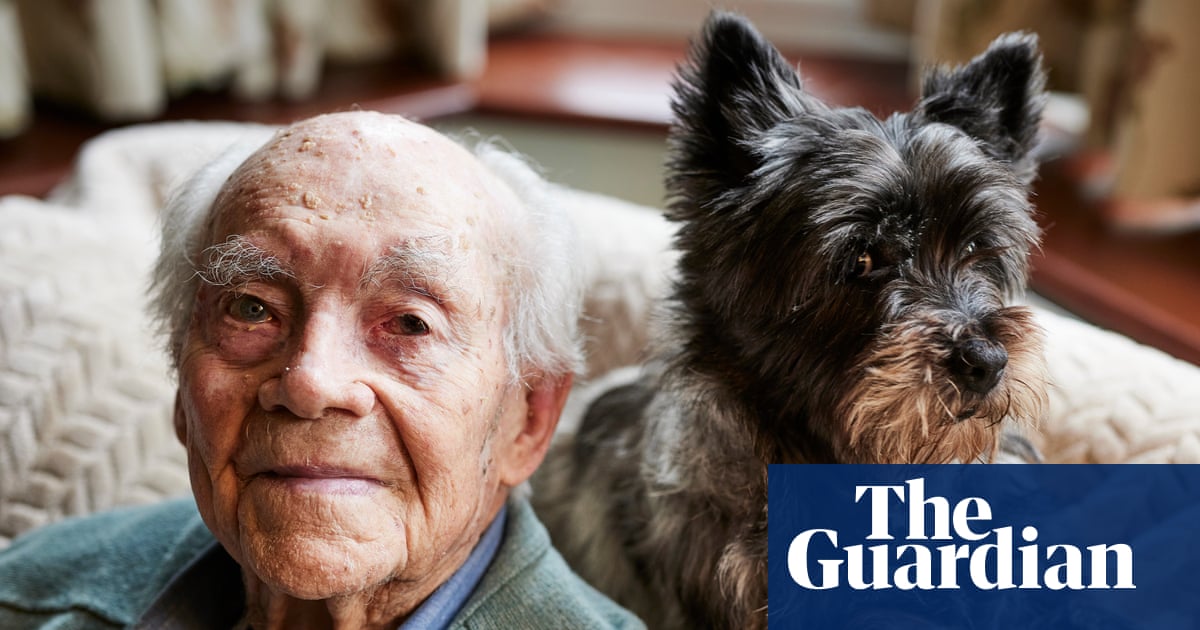
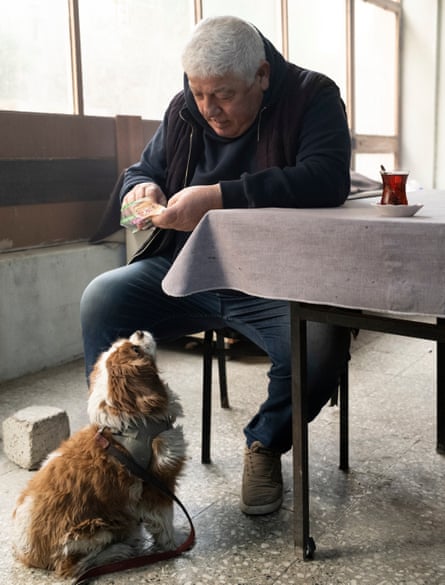
Abdullah, meanwhile, remains trapped in the apartment he once shared with his daughter, fixating on the details of her death. He longs to join his wife and son in Canada, but fears if he leaves, prosecutors will close Şebnem’s case. Instead he spends his days with Pera, the ageing King Charles spaniel she left behind, who whines in distress at even a minor separation.
Şebnem’s room remains a shrine, a copy of the graphic novel Persepolis on the bookshelf waiting to be read, her scrubs laid out on the bed as though she might return. Her cherry-red sneakers from the night she died lie nearby, near a door she never used, leading to the balcony she feared to stand on.
Additional reporting: Nevin Sungur