3 months ago
110
3 months ago
110
The route of the No 201 bus begins in the regenerated wonderland of central Manchester, and follows a straight line through the neighbourhoods to its east. The city’s box-fresh skyscrapers and gleaming new hotels quickly recede – and within 10 minutes you arrive in Gorton, at the outer edge of the constituency that, in not much more than three weeks’ time, will see the byelection that could have profound consequences for the future of both the Labour party and British politics.
Gorton is hardly a social desert. Millions of pounds are being spent on a regeneration scheme that – among its other benefits – will bring the area new housing and a revitalised high street. But in the covered market that is about to be upgraded to a “food and drink cluster”, when I ask people questions about the looming vote, I mostly hear expressions of fierce resentment. In that sense, the story of what is about to happen here may crystallise one of this year’s big political themes: a long-festering sense of disconnection and fury reaching a new extreme, thanks to a government that seems strangely powerless to even begin to tackle it.
There are a few mentions of the awful WhatsApp messages that sealed the fate of the former Labour MP Andrew Gwynne, but people talk most animatedly about grimly familiar subjects: grooming gangs, small boats, sky-high private rents and the impossible cost of living. “My mum’s got stage four terminal cancer and she can’t afford to put her heating on,” one woman tells me, with a bracing anger. And every 10 minutes, I hear some or other version of that dependable modern mantra: “I really don’t like Keir Starmer.” Beyond one man’s claim that “he hasn’t done what he said he’d do”, no one can specify exactly why, but that seems to fire people’s loathing all the more: on this evidence, his most damaging shortcoming remains that glaring failure to define who he is.
Twenty minutes further along the same bus route, I spend the following morning in Denton, a part of the seat where voters are reckoned to be 83% white and 86% UK-born, and the hills on the edge of the Peak District are suddenly within sight. Coming here entails crossing from the City of Manchester into the borough of Tameside, and the town feels distinctly “red wall”-ish: a corner of the old Lancashire coalfield where old family businesses are apparently clinging on by their fingernails, and local hopes of an economic uplift are focused on another new food hall, which will open in a matter of weeks.
Mary is in her early-30s, works full-time in retail and still lives in Denton with her parents, something she describes with a biting frustration. Her friend Lexi, a mother of two, holds down three different jobs – as a care support worker, a dinner lady and a cleaner – and says she is just about holding everything together.
But what they most want to talk about is immigration. When I say that without people from abroad, some of our most basic services would fall apart, they both agree: “They’re absolutely fine. It’s the people on the streets, and the ones coming in on boats.” They share a somewhat strange belief that the middle of Manchester is now so dangerous that visiting is unthinkable. Both of them say appreciative things about Nigel Farage and his party, but insist they haven’t yet decided who to vote for. One thing, though, is clear. “It won’t be Labour,” says Lexi.
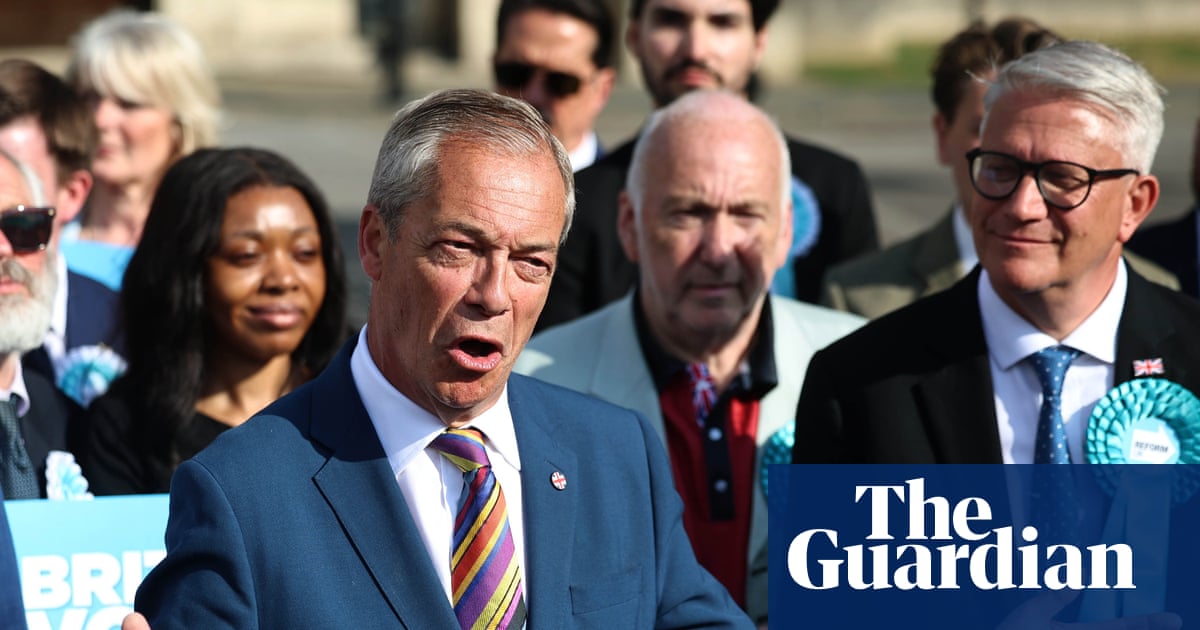
Here, it seems, is a ready market for Reform UK’s blithe pledges (“Stop illegal immigration”, “Put the British people first”, “End lawlessness on our streets”), fronted this time by Matt Goodwin, the one-time academic analyst of the new right who has become one of its prime movers. But for Labour, Reform’s menacing presence is only half this byelection’s headache. Its other worries centre on an area of the seat that runs southwards towards Stockport, and includes Levenshulme and Longsight – home to a mixture of Muslim voters who may move from Labour to support a pro-Gaza candidate, and sizeable numbers of students and young professionals being frantically targeted by the resurgent Green party.
Both halves of the constituency highlight the painful vacuum left by Starmer and his allies’ decision to bar Andy Burnham from standing. Whatever risks came with the prospect of Burnham resigning as Greater Manchester mayor, had he been the candidate, the party’s campaign might have centred on his personal record, his diagnosis of the modern British mess – “deindustrialisation, privatisation, austerity and Brexit” – and a contrasting sense of optimism. Instead, stranded without a narrative, Labour can only defend its pretty disastrous handling of its first 19 months in power, and a leader and prime minister no one likes.
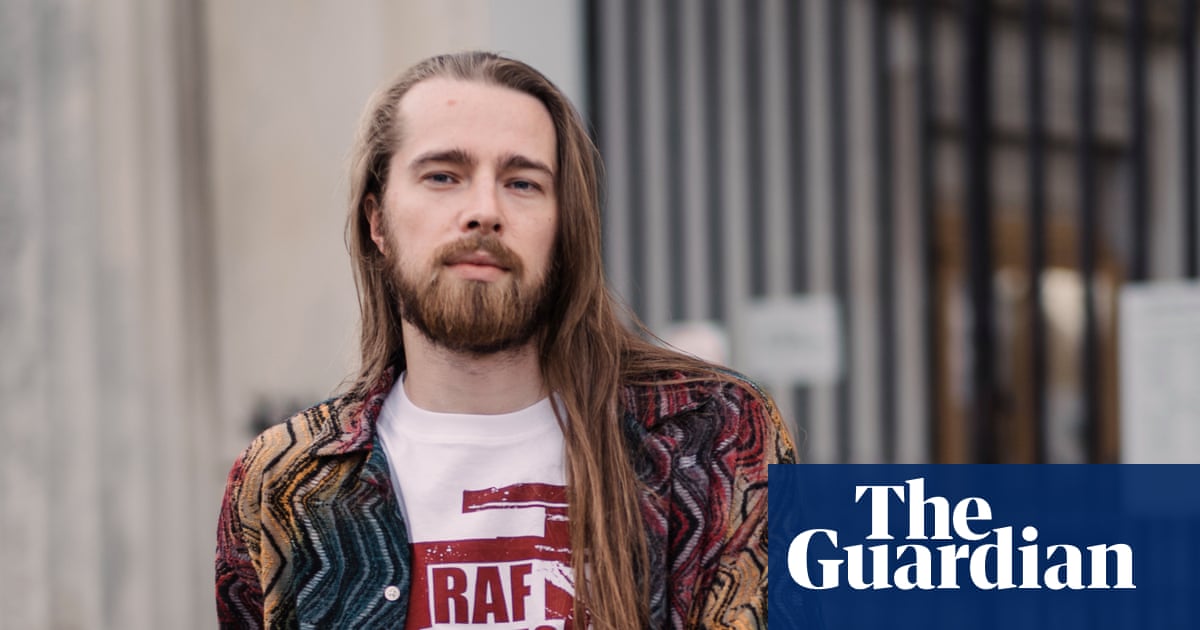
In Levenshulme, I meet Max, a loquacious 27-year-old who spends his spare time volunteering for asylum and refugee charities. Starmer, he says, “needs to kind of self-reflect: ‘What do I believe? What do I want?’” He mentions Farage. “He seems to have a vision. Starmer doesn’t. And you can’t combat Reform if you haven’t got that. They’ve got better stories … I think they’re toxic stories, but they’re better at telling them.” He then brightens. “But the Greens have got a good story as well.”
Five minutes’ drive away is Longsight. After Friday prayers at a compact mosque tucked behind a residential street, the mostly middle-aged men I talk to express bafflement about the fact that Burnham was barred from standing, and worry about what a Reform victory – which could result from the left vote being split – would mean for their everyday lives. When I hold up one of the party’s leaflets, one reaction is instant and unsettling: “It upsets me. It’s not healthy. It’s dividing us.”
Labour may hold on here: as ever, it has a formidable get-out-the-vote machine, and droves of activists. As evidenced by Starmer’s rather stilted claim that the contest is reducible to “true patriotism against the plastic patriotism of Reform”, the party may yet manage what eluded it at last year’s byelection in the Welsh seat of Caerphilly, and successfully position itself as the best tactical choice to defeat Farage and Goodwin. But what even a Labour win will barely shift is what runs deep, here and all over the county: anger, disconnection and bewilderment with a party and government that are now floundering and disoriented.
This is what really ought to be eating away at Labour’s high-ups. So far, every relaunch and U-turn has either left those aspects of the public mood untouched, or raised them to a new pitch. After the Gorton and Denton byelection, their next expression will surely define May’s elections in Wales and Scotland, and the council elections across England the party hasn’t managed to postpone. As I wandered around Longsight’s open-air market, I found a Green party leaflet, featuring one of its best campaign lines, seemingly written as a knowing challenge to Starmer and his people: “Make hope normal again.” Is that something Labour can do? And if it can’t, how can it possibly hope to arrest its decline?
-
John Harris is a Guardian columnist
-
John Harris and John Domokos’s Anywhere but Westminster film about the Gorton and Denton byelection will appear later this week