3 months ago
130
3 months ago
130
When the gunmen came for Jimmy Graham they were thorough. They fired the first two shots as he parked his bus in the school yard, then boarded the bus and fired another 24 shots. As the killers sped away they whooped in delight. “Yahoo,” they screamed. “Yahoo.”
It was 1 February 1985 and the IRA team had special reason to celebrate: it had bagged a third Graham brother. They had killed Ronnie Graham in June 1981, Cecil Graham in November 1981 and now, just over three years later, they got Jimmy. A hat-trick.
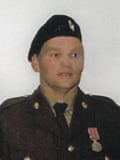
Even in the grim annals of Northern Ireland’s Troubles, what unfolded in the bucolic landscape of County Fermanagh was unique: three Protestant brothers targeted in separate murders.
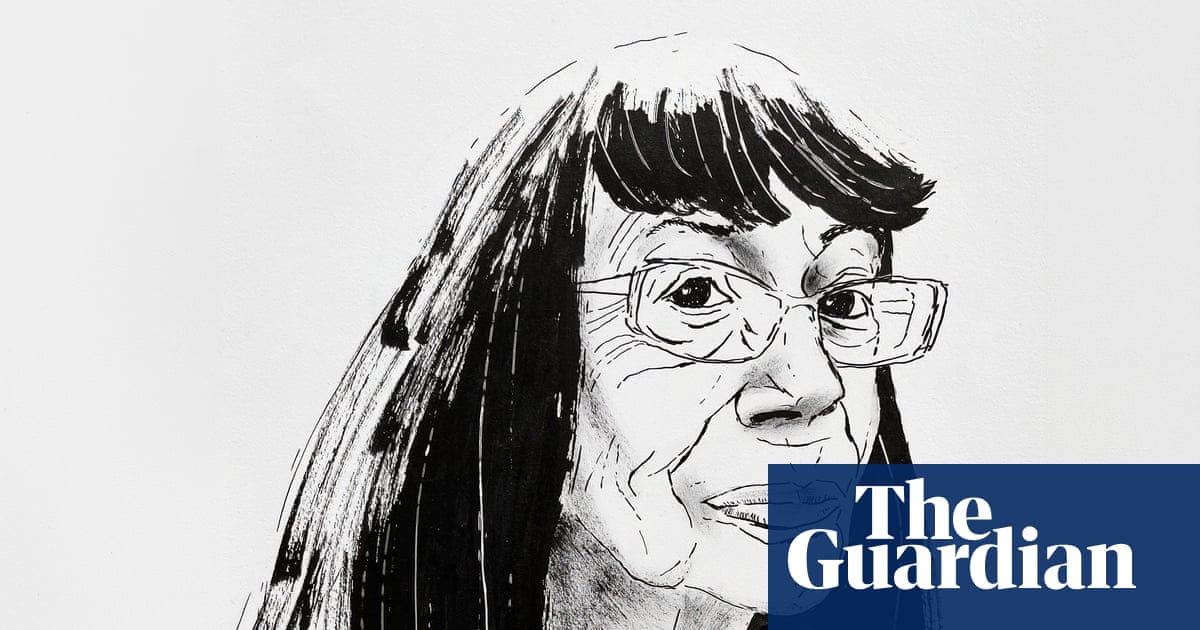
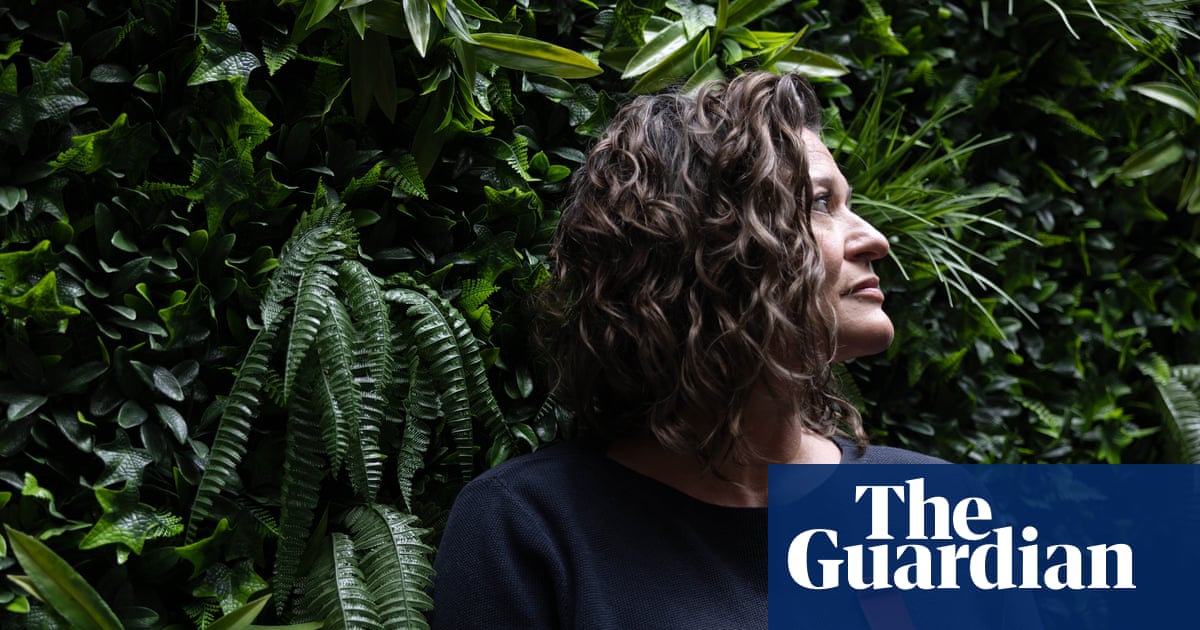
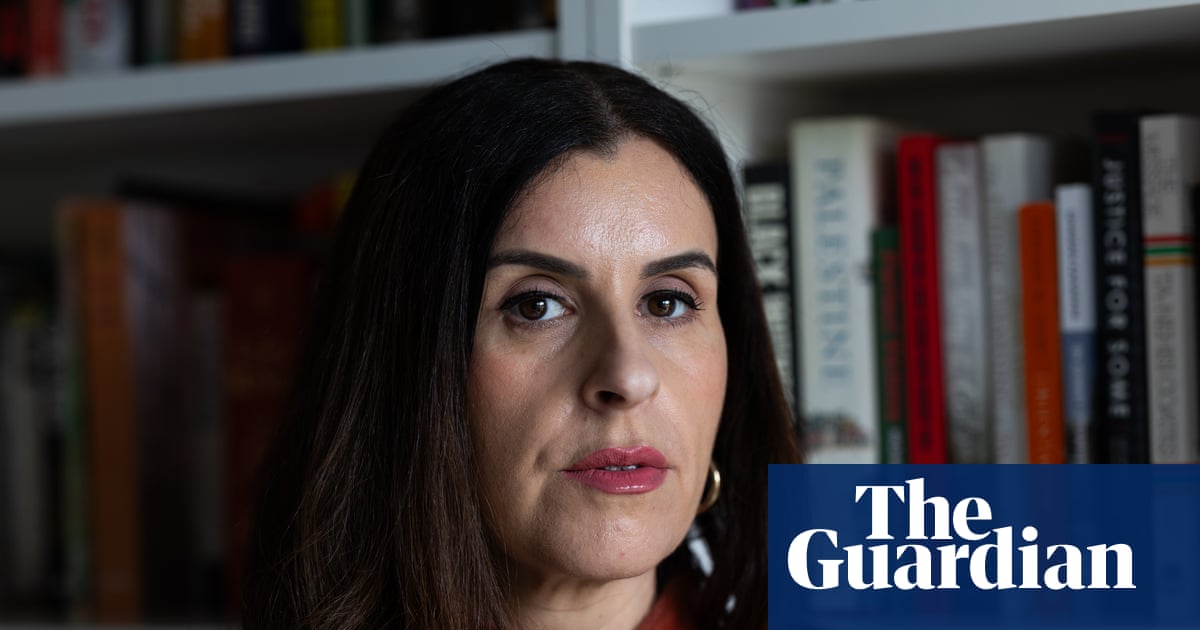
“The torture never ended,” their sister Pam Morrison, 78, said this week. “First Ronnie, then Cecil, then Jimmy. You never really got a chance to get yourself sorted out.”
She will mark the 41st anniversary of Jimmy’s murder on Sunday the same way she has marked all the other anniversaries: with memories, prayers and a dogged determination to go on, to live a life scarred by grief and absence.
“The older you get, the worse it gets, the more you want them,” she said. “Time never helps. No matter how long it is, that’s something you just can never forget. The pain is still there, something you just have to carry.”
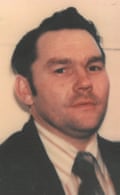
For more than three decades Morrison did not speak publicly about the murders. It was too painful, too dangerous. Other relatives, like her slain brothers, served part-time in the Ulster Defence Regiment, the local wing of the British army which attracted mainly Protestants, and she feared any publicity – condemnation of the crimes or airing of the family’s anguish – might galvanise further IRA attacks. “You just had to keep your mouth closed and say nothing.”
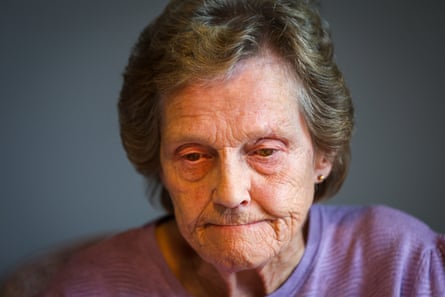
Now, however, Morrison feels a responsibility to speak and keep memories alive. Of eight Graham siblings, she is the last left alive. A sister, Hilary, who also served in the Ulster Defence Regiment, died in 1979 after being run over while manning a checkpoint. It was an accident. Three other siblings died of natural causes.
“It takes an awful lot out of me to try to talk,” said Morrison, speaking from her home outside the town of Lisnaskea. “But I want to try.”
She has all but abandoned hope of justice. No one was convicted in connection with the murders and she does not expect changes to legacy legislation – the government plans to overturn conditional immunity for those accused of wrongdoing – to make any difference.
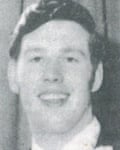
In this small rural community, the family had suspicions about who was responsible. “If you were in the town, you’d see them,” said Morrison. “One of them, he was there all the time. He’d just stare at me. He knew who I was.”
Elsewhere the IRA often targeted police and soldiers without knowing their individual identities, but in Fermanagh victims were screened, selected and typically attacked while off-duty and unarmed, fuelling a perception of sectarian score-settling.
“It wasn’t by chance that those three brothers were murdered one by one,” said Kenny Donaldson, of SEFF, a Fermanagh-based group that works with victims. “There was a purpose to it.” The Grahams’ fate was a warning to others to not join the security forces or marry across the religious divide, said Donaldson.
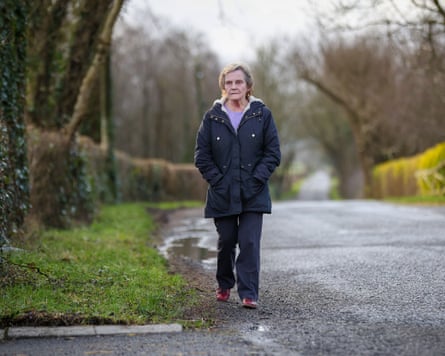
Ronnie, a 39-year-old father of two, was shot while delivering coal and groceries to a shop. Cecil, 32, was visiting his wife and newborn baby at the home of her parents – Catholics who lived in a Catholic area – and ambushed when he emerged.
Jimmy, 39, a father of two, was due to drive primary schoolchildren to a swimming pool when the killers riddled his bus. “That was the hardest one,” said Morrison. “He was that badly damaged none of us ever got to see him. It was a complete outsider who had to identify the body.”
In 1988, while researching a book about the border called Bad Blood, the writer Colm Tóibín encountered local people who attributed a spate of car accidents that killed young Catholic men to divine retribution for what was done to the Grahams.
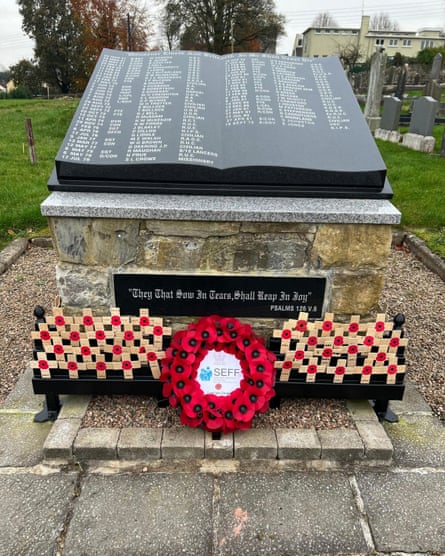
Morrison, who first spoke publicly about the family’s suffering in 2019, said she never wanted revenge, only justice. She has Catholic friends and has contributed to a memorial tapestry at SEFF’s office that recalls victims from all sides.
The Troubles claimed another set of three brothers: the Ulster Volunteer Force – allegedly with security force complicity – murdered John Martin Reavey, 24, and his brothers Brian, 22, and Anthony, 17, at their home in Whitecross, County Armagh, in a single attack in 1976.