3 months ago
100
3 months ago
100
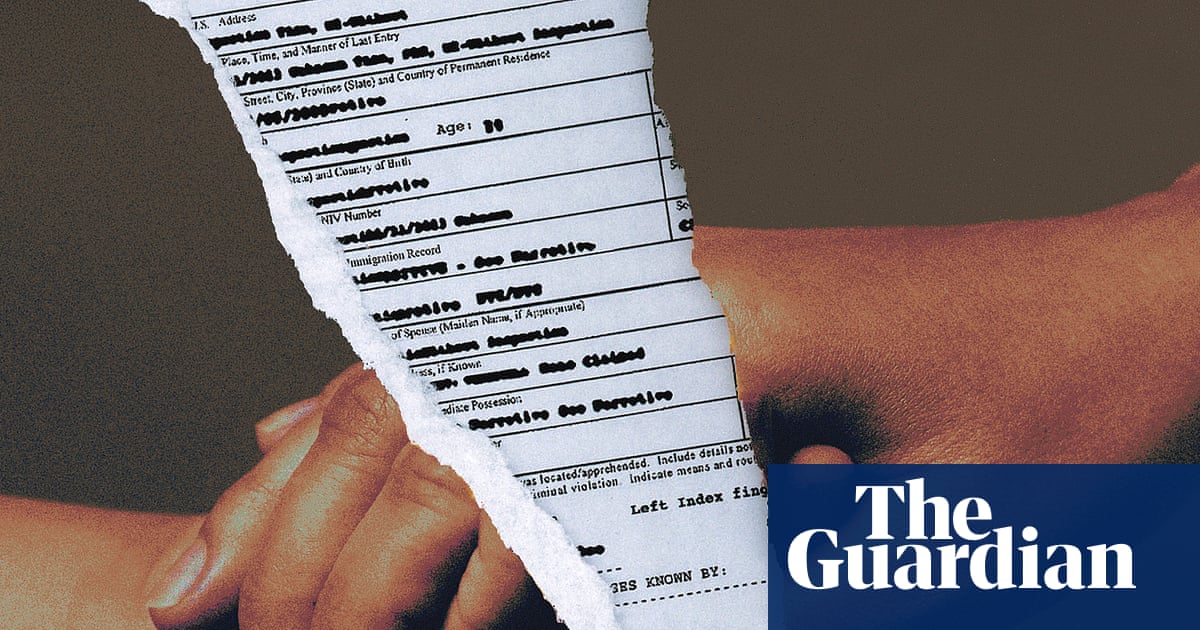
I like to shred anything with my name and address on before putting it in the recycling bin (although this usually means ripping it up and putting on the compost heap). But my children say there is no need, that the world’s digital now and no one’s going to be rooting through our rubbish to scam us or steal our identities.
I understand what they are saying, but I still feel uneasy about releasing readable information about myself into the world like that. Does anyone know what best practice is these days, and does anyone still get scammed in this way? M Palmer, Aberdeen
Send new questions to [email protected].
Readers reply
I just put it all in the bin … thenewschmoo
Our cross-cut shredded paper is a welcome addition to the compost heap. Beaglevision
It is not likely someone will dig through your trash and pull out documents with information they can use in crimes, but the likelihood is also not zero. If shredding gives you peace of mind, then shred away. Jeff, by email
Good grief. What paranoia. My parents back home use a shredder, too.
I live in a building with 15 flats. We have two bins for waste paper. I just tear up the letters and throw them all in with everyone else’s. The bins are in the courtyard at the back of the building and you’d need a key to get in anyway. Other bins in Germany are in the cellar of the apartment building and the binmen haul them up through the pavements and chuck it all into the machine. No one is going to go through your stuff.
We all have identity cards anyway, so no one is going to use an old gas bill as proof of identity. When I tell Germans how the Brits use gas and electricity bills or bank statements as “proof of identity”, they give an incredulous laugh. Nina1414
I am extremely private. If a document is no longer useful, I burn it, then mix the ashes with soil. Only then do I feel at ease. I treat my digital footprint the same way. I don’t post pictures of myself or details of my daily routine. I try to remain as much of a stranger as possible. In a world where everything is being tracked, privacy is the new food. Gowhar Naz, Kashmir, India
Anything with truly private information like date of birth etc, yes I absolutely shred it. Anonymice, by email
Better safe than (very) sorry, if it’s proof of ID or has sensitive information on it. Consider the alternative: if enough of this documentation is gathered to apply for credit cards or otherwise steal your identity, it will take a lot more effort to recover from that damage, than it took to destroy anything sensitive. Worldwatcher
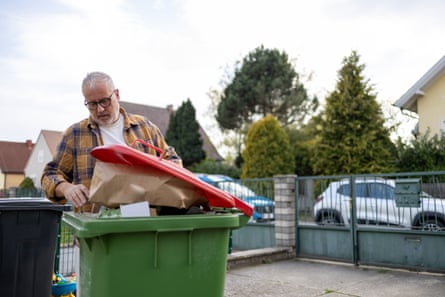
I would still shred, especially if your recycle bin is shared or in a public place. It’s not being overly security conscious to protect your privacy when it comes to financial statements. Jay Merriman, by email
It’s been a long time since I heard of anyone going through bins trying to collect information. Especially your name and address, something that isn’t in any way secret. If you still get paper bank statements or utility bills, sure, tear them up and put them in the kitchen bin. No one is going through that bag under any circumstances. Shredding is well past its sell-by date. Mealiepudding
I am eager to hear the definitive response to this. I have several large brown files of old bank and credit card statements in my garage saved from when I moved house with the intention of incinerating them. However, procrastination, concern for the environment and the thought of how much poking with a stick it will take to properly burn heavy wads of paper have thus far prevented me. The desire to bung it all in the blue recycling bag over a period of weeks is growing stronger … S Reed, Cornwall-under-Water, by email
I shred anything that identifies me, including holiday bookings, club newsletters etc. It is not because the info itself in sensitive but because the more details someone has about my life, the more easily they can pretend to know me and through that convince a collegue, friend or family member into doing something because I asked for it/need it. FBMgrer
Shredding it doesn’t do any harm and if it gives you peace of mind, it’s worth it. Bob500
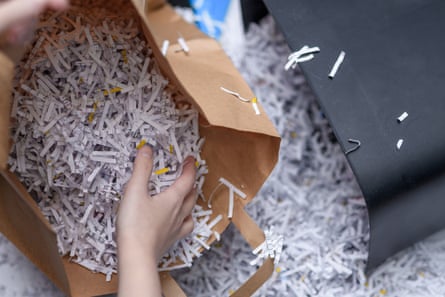
I shred everything with my name and other personally identifiable information on it. I once had some mail stolen years ago and ever since have been careful to destroy any personally identifiable documents once I no longer need them. Guardianlover
It doesn’t matter. Government agencies are only too willing to give out your personal information for a small fee. The DVLA is a good example. UKClimber
I used to travel to Germany for work each month. I would cut an expired credit card into 10 pieces. I would put one piece in the general wheelie bin at home, a second in my office bin, a third in the bin in the airport car park, another in a bin near passport control, another after passport control, another on arrival in Germany, another after passport control, another in a bin at the airport station, another at the arrival station and the final piece in a bin at the hotel. Then I used to wonder if I had been followed. I don’t sleep well. Hodnetboy
I tear off and shred the part that is personal, like the name and address, which saves me continually emptying the shredding bin. A couple of times I have had to dispose of a large tranche, so I took the boxes to the stationery/office supply place and paid for the service, hoping they wouldn’t dig into the boxes over coffee. I agree – most things are digitally available for those who really want it, but I don’t particularly want to leave a paper trail to the private details of my life. Verz57
I like shredding my letters. It’s always a fun afternoon. MartWolves
Unfortunately, you didn’t provide enough detail for a personalised answer to this question. If you could include your bank details, pin and all passwords, we would be happy to provide you with a bespoke reply. Picuzen
Shred it all, for the simple reason that shredding is such a fun thing to do, and very effective in reducing stress levels. Otherwise, rip it up and stick in the kitchen waste. If you’ve got cats, put it in the bag of stinky used cat litter. Dewnthetewn
I’ve got an ink roller gadget that obliterates my address on envelopes and so on. Really sensitive documents like bank statements get securely shredded and recycled. There is a tremendous amount of information online too. You have to be very careful with your passwords. starship_captain_66
If it can be used as proof of ID/address for the likes of opening a bank account, engaging a solicitor, etc, then it gets shredded.
I also remove anything that would trace my rubbish bag back to me – not that I am fly-tipping it (absolutely not), but because I would have no proof if it did turn up where it shouldn’t – read the news. Psionaria
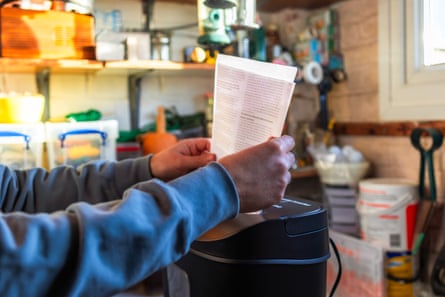
It is unlikely, but plausible, that enough detail could be put together from bin contents to defraud, for example by applying for credit in your name. Our compromise is tearing off the name and account details and putting those in the “general” waste, which travels to the incinerator in a different direction to the paper recycling.
Your details are far more likely to be hacked [online] than painstakingly gathered at your home. Your name and address are not confidential in any meaningful way.
Short of staying away from any online activity, the real “never, ever” online is reusing passwords. Use a password manager or even writing them down is safer. Don’t use your email as the account ID if there is any alternative. Don’t provide any more detail on a transaction than you (not they) deem necessary. Use temporary or disposable email addresses where you can and any two-factor authentication (however poorly implemented) is better than none. leadballoon
Your name and address are published in the electoral register. You don’t gain anything by shredding them. You only need to worry about any additional information. However, this could be something as seemingly innocuous as a subscription ID that would allow someone to redirect the delivery address of your magazine or get into your account. Ptahhotep
Definitely shred sensitive paper. As for plastic, as in expired or unneeded credit cards, I cut them into slivers with scissors then distribute those bits around the house into several different garbage bins, bins that have no chance of being emptied at the same time. Oikaze
I too am uneasy about this. Although the chance of identity theft is very small, I always tear off the name and address or card number from documents and put it with my general rubbish. The remainder goes in the recycling bin. Janchan
I just rip it up into pieces and chuck it in the black bag. No one’s going to root around your chicken bones looking for your deets. They can do that more simply and less disgustingly online. TopGyre
I have bought a shredder and use it for privacy and, when in doubt, for its satisfyingly crunching sound. There also is a certain finality to this act, also very satisfying. Now to the why of this emotional excess: I am legal guardian of my [disabled] sister. Medical bills keep pouring in, with diagnoses and other unpleasant things needing attention. I live in Germany, where bottles and cans can be redeemed. So my trash bin gets filtered, so not much of a discussion about whether to shred or not to shred. I just love the shredder. Jens, by email
You would be amazed at how many people throw out 100 points of ID in their recycling or trash. It’s still worth shredding them, even if the likelihood of someone stealing your identity online is greater. Laura Kirkby, by email
If I may, I’d like to pass on The Parable of My Neighbour.
My neighbour was a lovely fellow, honest as the day is long, and with his family the ideal people to have living next door. Unlike my place which had been divided into flats, he’d taken on the adjacent house. It was in a right old state. Although being in full-time work, he’d decided that with time, determination, and sweat, he’d renovate it. This meant for a year or so, they were living in a world of changing shapes, plaster dust, splinters, and odd smells.
As his neighbour, I was happy to assist him with anything load-bearing or beyond his sphere of competence. Slowly, a residence of considerable beauty emerged. At the same time, what couldn’t be reused, or adapted, and was completely worthless accumulated in his front garden. In the end, it grew to an impressive-sized mound.
One day, I returned from my duties to see that the garden was level, and the Great Mound had vanished. In its place, however, on the steps was my neighbour, ashen of face, waving his arms around and pointing with some passion at the space where the mound had been. Also present were two officers of the police, in very smart uniforms, listening patiently his account, but with rather severe expressions on their faces.
The next day I knocked on his door. We always had a beer and a progress report of a weekend. What had happened was that more or less at the same time he was getting quotes from skip companies, two men with a lorry knocked on his door, and offered to remove everything, for a very reasonable price. My neighbour of course accepted the offer, and acquiesced when they said they’d prefer coin rather than a cheque.
The Great Mound turned up hardly a mile away, tipped in the entrance to a small engineering company. Obviously the millers, turners, and managers took exception to this, and the constabulary were summoned to assist in the matter. It took less than 10 minutes for old envelopes, business letters, and diverse paperwork to emerge into the sunlight. All with my neighbour’s full titles, place of residence, perhaps some with his date of birth. “Well, well, well,” the constables probably announced.
Therefore the moral of the tale is:
Whichever paperwork is to be binned shall be shredded twice, stamped on, stirred up with water and wallpaper paste, and eaten. Just in case. bricklayersoption
I would still shred, especially if your recycle bin is shared or in a public place. It’s not being overly security conscious to protect your privacy when it comes to financial statements. Jay Merriman, by email
I see the key benefit of shredding as ensuring that, were some of my waste to end up somewhere that I did not leave it, I won’t be harassed or sued by my council for littering. As to the significant leakage in the digital world – I am conscious that every time I buy from eBay, my name, address and phone number can be given to another individual (or possibly state). But a tendency to minimise what one releases physically may still just help a little. Anonymous, by email