3 months ago
127
3 months ago
127
For any bodily function you want to measure these days there is a gadget – a wristband for step-counting, a watch to track your heart rate or a ring for measuring sleep.
Now the march of wearable tech is coming to the aid of what some say is a long underserved market: menopausal women.
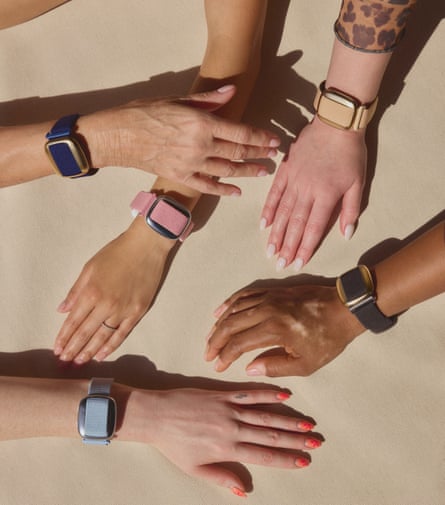
One startup has recently launched a high-end cooling bracelet that kicks into action during a menopausal hot flush. The device is one of a growing number of lifestyle products being launched in this area, which some experts say is growing as stigma around menopause recedes. Companies are developing everything from apps offering dietary advice to devices that track symptoms, hormones and body temperature.
While some caution that a boom in the menopause market could mean brands with overhyped solutions cash in on women’s fears, there is no shortage of investors who see a technological solution to the problems brought on by middle age.
The global menopause market is projected to reach approximately $24bn (£19bn) by 2030 according to the San Francisco-based market research and consulting firm Grand View Research.
Leading investors in menopause products include venture capital funds, corporate giants such as Bayer and Unilever Ventures, and retail partners such as Tesco.
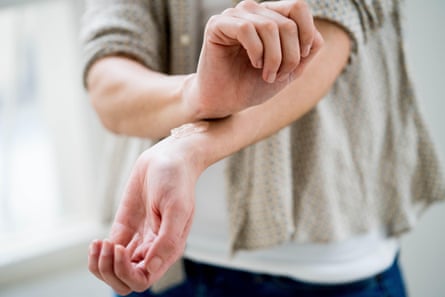
The MyCelsius bracelet, a £229.99 cooling device, is worn on the wrist to instantly cool down wearers who experience hot flushes triggered by menopause. Its designers say it also alleviates the effects of hormonal changes such as stress, anxiety or other everyday factors on body temperature.
Sarah Garlick, 50, went into surgical menopause after having a hysterectomy and her ovaries removed at 43. She is on HRT but still experiences many other symptoms. She said she bought a range of products when it first happened, including a £60 nightie that promised to regulate her temperature at night.
She quickly lost hope that these kinds of products would work. However, when she was approached to take part in a trial of MyCelcius, she finally found something that helped.
She believes products like this are only now being marketed because the stigma around menopause has started to shift. “That’s the thing as well,” she said, noting that she shows off her wristband: “I’ve spoken [to other women] about it openly, like, ‘This is what I need, and this is what helps.’”
Maxime Kryvian, co-founder of Celsius Innovations, which makes MyCelcius, said: “For a long time there has always been less investment in women’s health. But we’re seeing real improvements now, with more investment funds coming in. There’s also more institutional support, including organisations like the Gates Foundation. It’s definitely a growing area.”
With the rush of investment has come inevitable scrutiny. A recent study by University College London, led by Prof Joyce Harper, warned of a “menopause gold rush”, with unregulated companies exploiting a lack of reliable information. Researchers called for the rollout of a national education programme after finding a significant number of women do not feel well-informed about menopause.
Writing in the medical journal Post Reproductive Health, they said: “There has been a rapid expansion in unregulated private companies and individuals providing menopause information and support for profit.”
Kryvian acknowledged that scepticism around new menopause products is often justified, pointing to the supplement market as an example.
“Honestly, we’ve already seen this in areas like supplements,” he said. “It can be very hard to attribute the exact impact, and some of the scepticism around these new products is warranted. That’s why it’s so important that anything entering this space is backed by science and developed with the right experts.”
He said consumers should look carefully at who has developed a product and what evidence exists to support its claims. “My advice to consumers is to ask: how was this developed, and by whom? Is there data on its impact? What do customer reviews say?
“Another thing to look at is what companies are willing to reimburse you if it doesn’t work … That’s often the best signal,” he added.
Nearly two in three women over 50 in the UK struggle with their mental health, relationship breakdowns and changes to their appearance as they deal with menopause, a survey has found.
Dr Claire Phipps, a menopause specialist at London Gynaecology, acknowledged the potential benefits of wearable tech but said consumers should remains cautious about looking for a Silicon Valley-designed magic bullet.
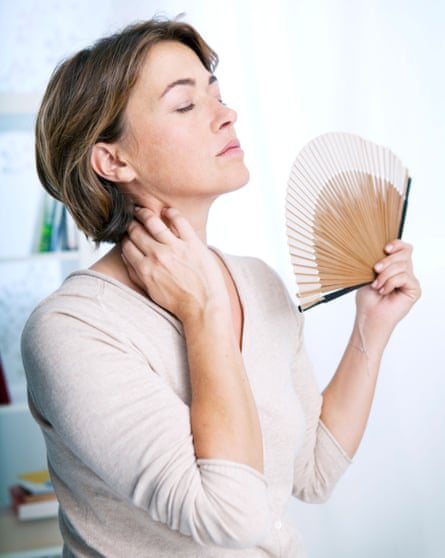
“I wouldn’t advise anyone to rush out and buy anything. For those still having periods, tracking devices like Aura Rings or basic period trackers can be useful. And a simple handheld fan might actually be the best cooling solution. But I would be wary of anything marketed specifically as a ‘menopause relief’ product unless it’s backed by solid evidence.
“The industry is booming, but there’s still a huge lack of randomised controlled trials. If a product hasn’t been properly tested, how do we know it works? It’s crucial to question the science behind every new device or supplement,” she added.
At the heart of the issue is the lack of reliable guidance. Unlike fertility, which is tightly regulated and evidence-based, menopause care has fewer safeguards. “Anyone can call themselves a menopause coach,” Phipps said. “It’s hard for women to know who to trust.”
The rush of new products reflects this uncertainty. As the “menopause economy” grows, so too does the misinformation, often spread by social media influencers. “The internet is full of exaggerated claims,” Phipps says. “It’s shameful how easily misinformation spreads. We need to focus on evidence-based solutions.”
In this environment, Phipps advocates for a more grounded approach to managing menopause. “Start with the basics: nutrition, self-care and stress management. Simple lifestyle changes can make a huge difference. If symptoms persist, that’s when to seek professional advice.”