2 months ago
103
2 months ago
103
The future of the original Bramley apple tree, which is responsible for one of the world’s most popular cooking apples, is at risk now that the site where it grows has been put up for sale, campaigners have warned.
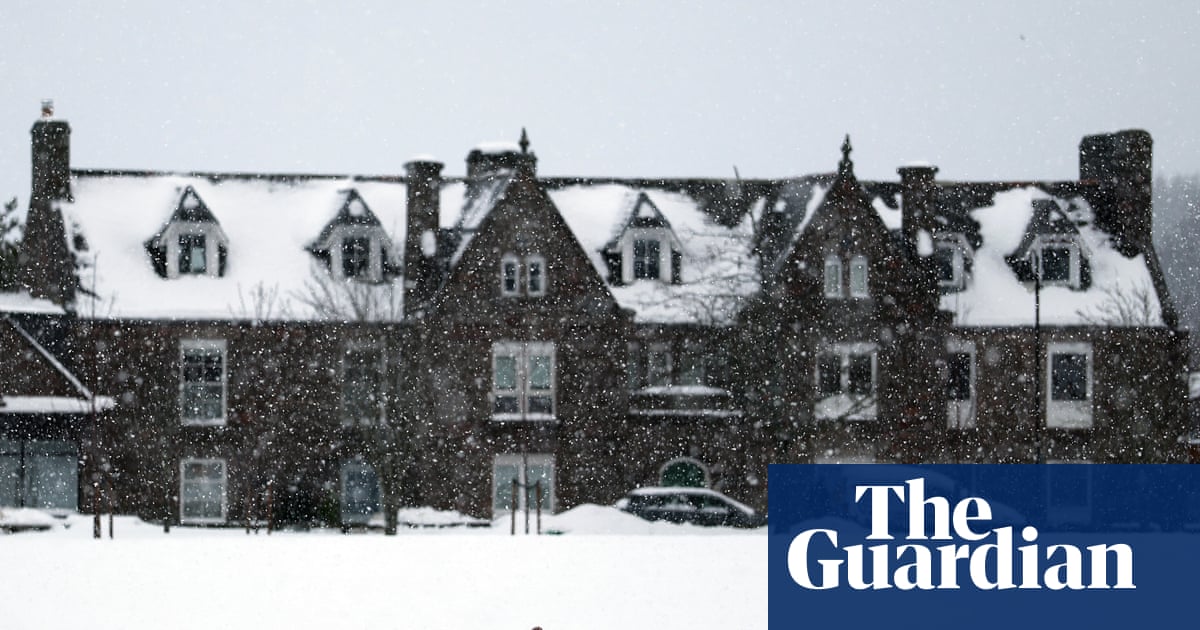
The tree is situated in the back garden of a row of cottages in Southwell, Nottinghamshire, which has been owned by Nottingham Trent University since 2018 and has been used as student accommodation.
The university said the site was for sale due to the “age and configuration” of the cottages, which made them no longer suitable for accommodation.
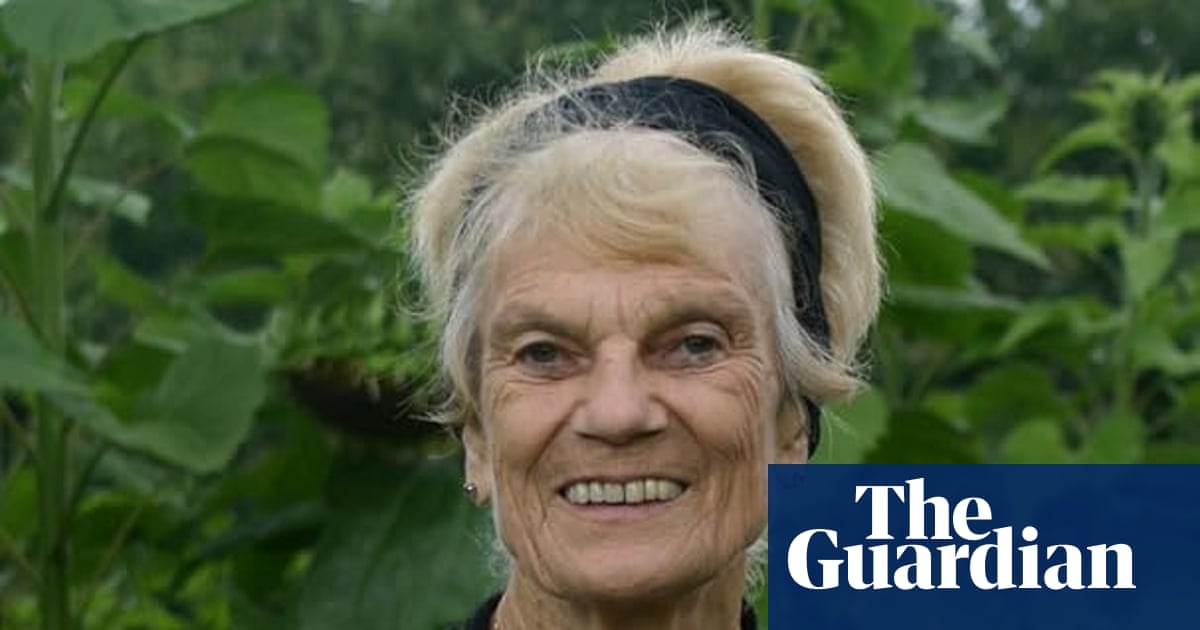
The great granddaughter of the man who first introduced the Bramley apple commercially said she was “very concerned” for the future of the tree and it needed to be protected.
“It’s a very famous tree. It’s a very well-loved tree and it means a lot,” Celia Steven, 85, said. “Sadly people are a bit prone to cut down trees and think about it later so I find it very disturbing.”
The more than 220-year-old tree was grown from a pip planted by Mary Anne Brailsford between 1809 and 1815. Its apples were discovered nearly 50 years later by local gardener Henry Merryweather in a garden owned by Matthew Bramley. Merryweather was given permission to take cuttings from the Bramley seedling as long as the apples he sold bore Bramley’s name.
Steven said her great-grandfather, Merryweather, “believed in that apple, he commercialised it, he marketed it, he promoted it … he called it the ‘King of Covent Garden’”. Since then, it has become one of Britain’s best loved cooking apples.
Despite the historic nature of the tree, it has never been granted a tree preservation order, which would protect it under law and prevent it from being chopped down.
It has, however, been recognised by the royal family. In 2002, the queen’s golden jubilee cited the Bramley as one of the 50 “great British trees” and two decades later it was recognised as part of a selection of 70 ancient trees dedicated to the queen for the platinum jubilee.
Steven said: “Our ancient trees are not protected in the way they should be. They’re not revered in the way they should be. They’re very special to this country and when we have got such things we do need to look after them and protect them for the future.”
Dan Llywelyn Hall, the founder of the Mother Bramley legacy fund, said such heritage trees should never be at risk like this. The 45-year-old artist, who is hoping to fundraise £400,000 with the Merryweather family to buy the site, said the tree had been “in a state of neglect” since the university bought the cottages.
Despite this, and the fact the Bramley was diagnosed with an incurable honey fungus, it is still alive and producing apples, he said.
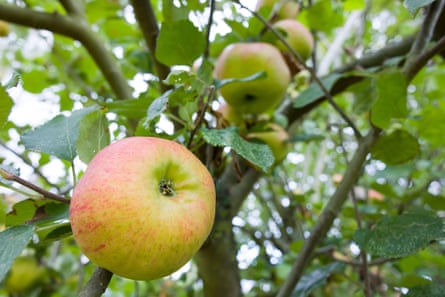
“It can’t be understated, it’s the most important, most famous apple tree in the world. It’s produced a million-in-one apple which is highly regarded in the culinary world. The fact we have the original still alive is quite an extraordinary thing,” he said.
“It brings a bigger national discussion up here as to why we are terrible in this country at looking after our heritage trees,” he said.
A Nottingham Trent University spokesperson said: “NTU is proud to have been the latest custodian of the Bramley apple tree and to have played a part in helping to safeguard and celebrate its legacy.
“When the university became custodian it was well known that the tree had outlived its natural lifespan by quite some time. We have worked hard using our academic expertise to maintain it in the most careful and appropriate way for a tree of this age and condition and been delighted to provide access to members of the public and for annual events such as the Bramley apple festival and Heritage Open Days. Without the dedication and hard work of our colleagues, we believe it would have deteriorated significantly further.
“We were visited by an independent tree specialist last year who paid tribute to the work we have done to both maintain and celebrate it. We also reached out individually to people in Southwell with a special connection to the tree before the cottages were listed for sale and, again, people expressed support for the work we have undertaken.
“The university aims to ensure that the tree will remain in the care of a responsible custodian. We will also continue to provide expert guidance and support to them on how to care for the tree.”