4 hours ago
11
4 hours ago
11
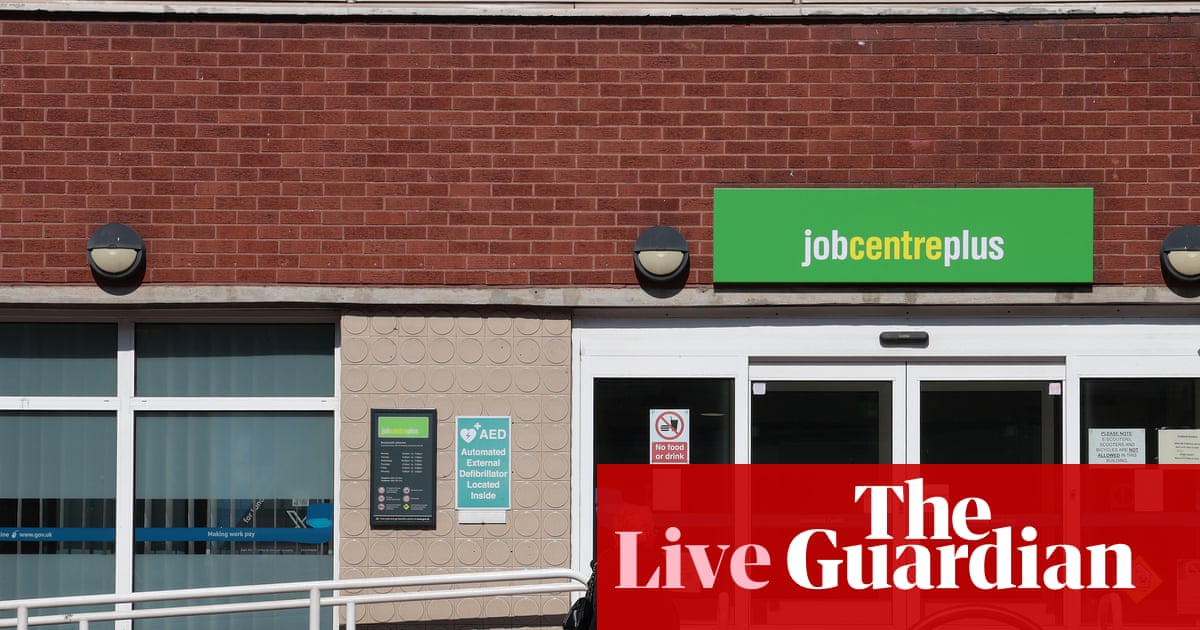
A rescue deal for Thames Water is under threat because of a potential change in prime minister, government insiders have said.
Ministers are negotiating a takeover deal for the stricken water company with a consortium of creditors led by American investment firm Elliott Management.
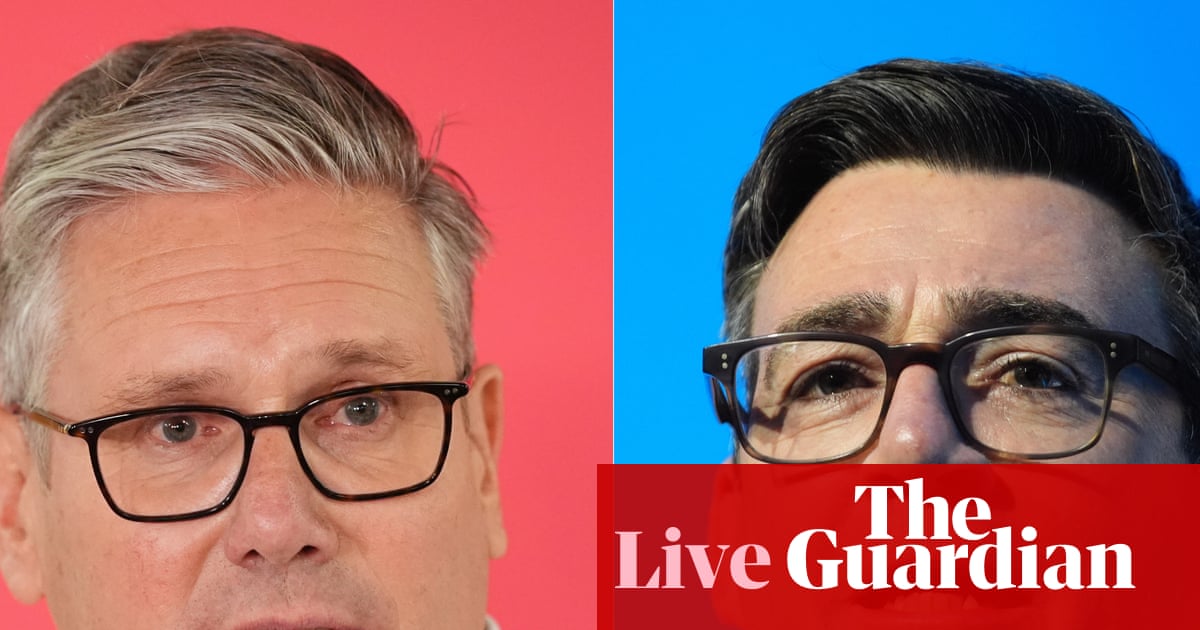
But government sources said that deal, which some expected to be concluded this month, has run into problems in part because of the uncertainty surrounding Keir Starmer’s position as prime minister.
Starmer’s most likely successor, the Greater Manchester mayor Andy Burnham, has talked about bringing utility companies under public control, with his supporters advocating for him to start with Thames Water if he enters Downing Street.
One senior source in the environment department said: “Things are changing every day – it’s very uncertain.”
They acknowledged the uncertainty about who will be prime minister by the end of the year but said they were unhappy that details of the deal had appeared in the press. “We aren’t very impressed that things keep getting leaked by the creditors,” they said.
They added that there was currently “little direction” from the top of government.
A government spokesperson said: “The government will always act in the national interest on these issues. The company remains financially stable, but we stand ready for all eventualities, including applying for a special administration regime if that were to become necessary.”
Both Thames and the creditors group have been contacted for comment.
Thames has been trying to stave off financial collapse for more than two years, after building up a £17.6bn debt pile in the decades after its privatisation.
Bosses tried to sell the company last year but saw their preferred bidder, KKR, pull out of the deal at the last minute.
Creditors, who provided the company with £3bn worth of emergency funding last year, have demanded a write-off of tens of millions of pounds in fines issued to Thames for dumping sewage in waterways. They have also asked for a reduction in environmental investment until 2030.
Government sources have until recently defended the proposed deal, arguing it would cost £100bn to compensate private sector creditors and take it under public control.
Experts have disputed this figure, however, arguing ministers would be legally entitled not to compensate creditors at all, given the financial state of the company and how much they have already made in profits.
If the deal collapses, the company will fall into special administration, which is a form of temporary nationalisation. It would then be up to the government to either sell the company to the highest bidder or bring it under public control.
Burnham, who is hoping to win the Makerfield byelection expected next month before challenging Starmer for the leadership, has called for the government to be more willing to take utility companies into public ownership.
Talking about Manchester’s buses, which he brought under public control, Burnham said on Saturday: “You’ve got £2 fares. So you take that principle and you apply it to energy and you apply it to water. That’s what I think we need to do.”
Many of Burnham’s supporters have called for Thames Water to be publicly owned. They include Compass, the thinktank run by one of his closest allies Neal Lawson, and has been running a campaign calling for public ownership of the entire water industry.
Lena Swedlow, Compass’s deputy director, said: “The reluctance to move Thames Water into special administration is really shortsighted and dangerous. It will simply mean taking more debt out to service the existing debt.”
Earlier this month, Yuan Yang, one of the MPs leading the Tribune group, seen as close to Burnham, wrote an essay calling for the government to consider putting Thames into special administration.
Defra sources say, however, that even if Burnham does not become prime minister, they believe a weakened Starmer or any other Labour leader would find it difficult to allow the deal to go through.