2 months ago
68
2 months ago
68
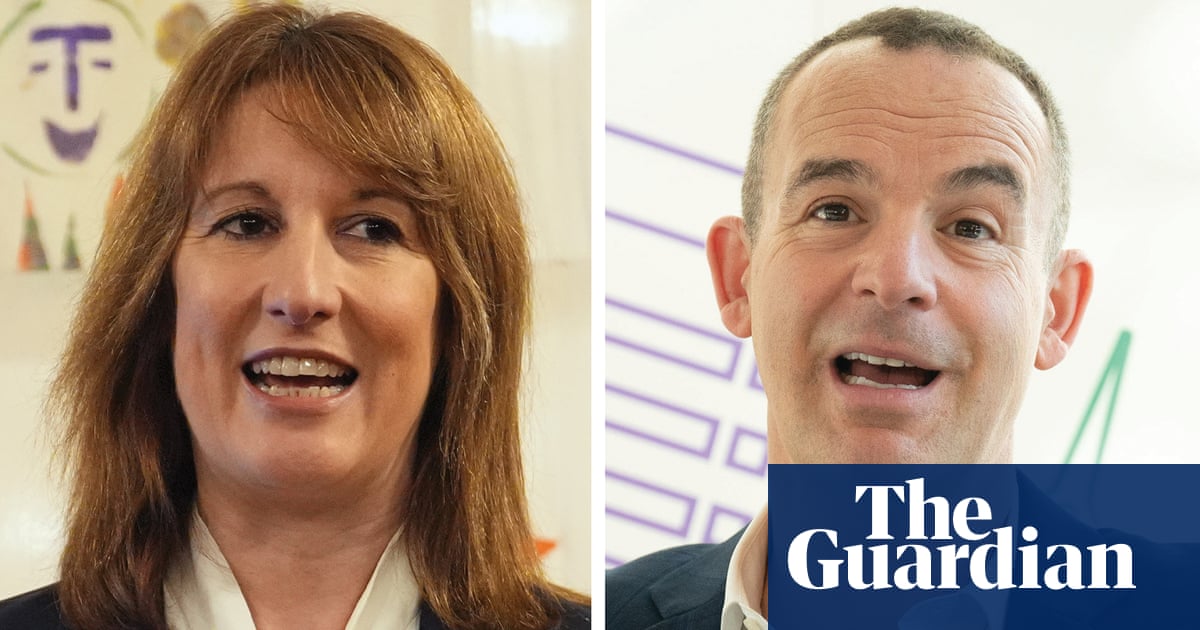
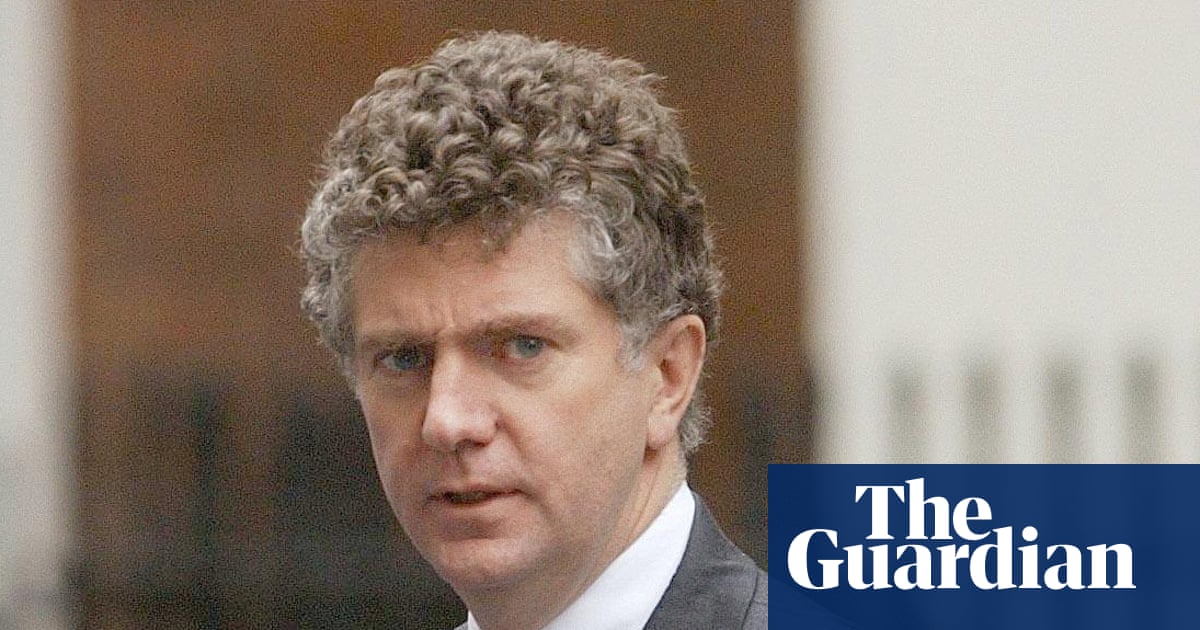
Voters will look elsewhere if Rachel Reeves does not use next week’s pivotal budget to show that “centre-ground” politicians can fix the UK’s entrenched economic problems, the former head of the civil service, Simon Case, has said.
Case told the Guardian that at the time of last year’s general election, when he was still cabinet secretary, he believed Labour would be forced to break its manifesto promise to not raise taxes because of the state of the public finances.
The buildup to Rachel Reeves’s set-piece fiscal speech has been dramatic, with the chancellor briefing heavily that she would be forced to breach the Labour manifesto and raise income tax, before the Treasury suddenly rowed back on the idea.
Instead, she is expected to seek more revenue through a suite of changes, including possible levies on gambling, and potentially a freeze on income tax thresholds – a de facto increase that would, however, allow Reeves to argue it does not breach the manifesto.
Before the election, some fiscal thinktanks said Labour’s pledge to not increase income tax, national insurance or VAT was unrealistic. Case said that while he was not allowed to give advice during pre-budget access talks, he believed the same.
“In Whitehall we were very worried about the promises they made before the election on not raising taxes because we obviously knew the true state of the public finances that would face them on arrival,” said Case, who left the role last December and is now a cross-bench peer.
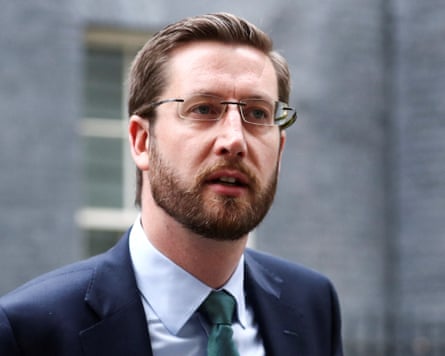
If Wednesday’s budget fails to get to grips with ingrained problems connected to tax, spending and debt, voters might abandon centrist parties for the likes of Reform UK, Case indicated.
“Yes, this budget is going to be critical to the fortunes of Keir Starmer and Rachel Reeves, which are intertwined,” he said. “But this budget is even higher stakes than that, because it raises the question of whether centre-ground governments can answer the fundamental questions that are hampering the UK. And if they can’t, voters will look elsewhere. It’s a really pivotal moment.”
The arguments about whether particular tax rises may or may not break a manifesto pledge were, to an extent, missing the wider point, Case argued.
“We talk about a few billion here or there that’s going to be enormously politically significant, because it’s the difference between breaking the manifesto rather than accepting the fact the process is unsustainable,” he said.
“Nobody is having the really big conversation: if we’re going to dramatically change the UK economy we need to be talking about how we spend hundreds of billions.”
Reeves’s woes are deep-rooted, he said: “Some of this is to do with the current political situation, of course. But there are other long-running issues that just feel like they’re getting harder and harder.
after newsletter promotion
“Our economic productivity is poor despite multiple governments’ efforts to fix it. There’s also great pressure to spend on public services because they’re not performing as we’d like. Every budget now for the next few years is going to be incredibly difficult.”
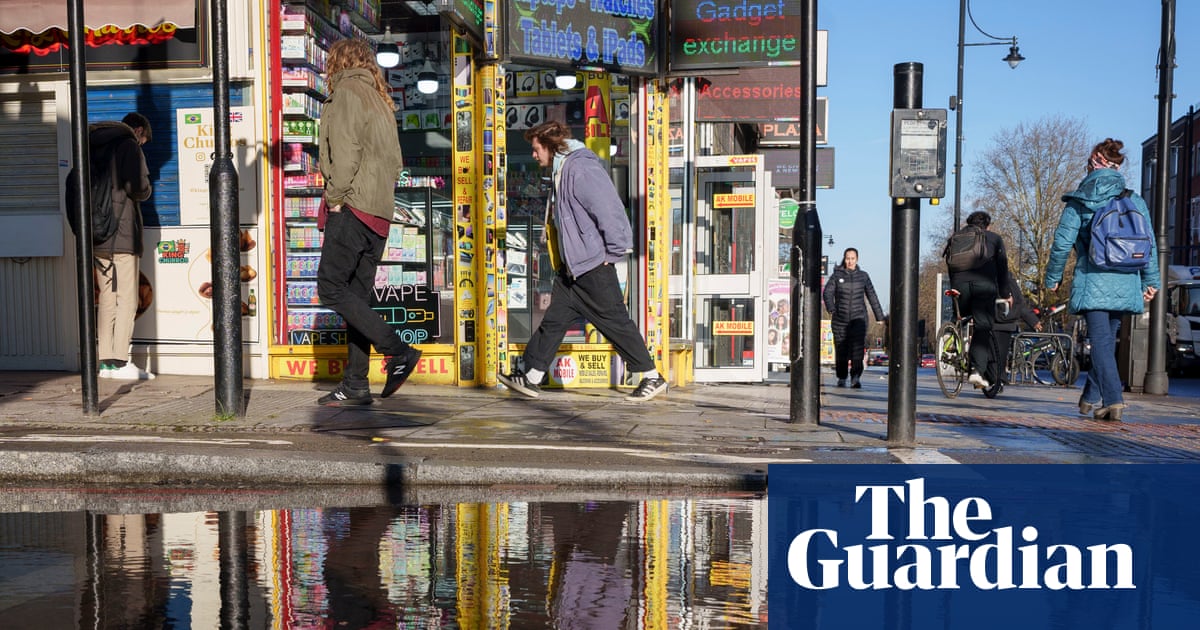
One confirmed measure in the budget is a renewed crackdown on illegal vapes, involving new powers for border and tax officials to clamp down on the products, as well as QR codes for legal ones to make it easier to spot fakes.
The move comes five months after the government passed a ban on single-use vapes in an attempt to reduce environmental damage and stop their widespread use among children. Since the ban was passed, however, the government has struggled to limit the proliferation of illegal products.
Officials said Reeves would use her budget to unveil a series of new tools to fight the illegal vape trade. They include giving Border Force and HM Revenue and Customs the power to seize illegal vapes on the spot and fine rogue traders up to £10,000 for breaking the law.
A government source said: “Britain’s high streets are being flooded with illegal vapes by rogue traders. The chancellor will crack down hard – giving Border Force and HMRC the power to seize dodgy vapes on the spot and hit offenders with £10,000 fines. We’re protecting shoppers and backing honest businesses.”