2 months ago
70
2 months ago
70
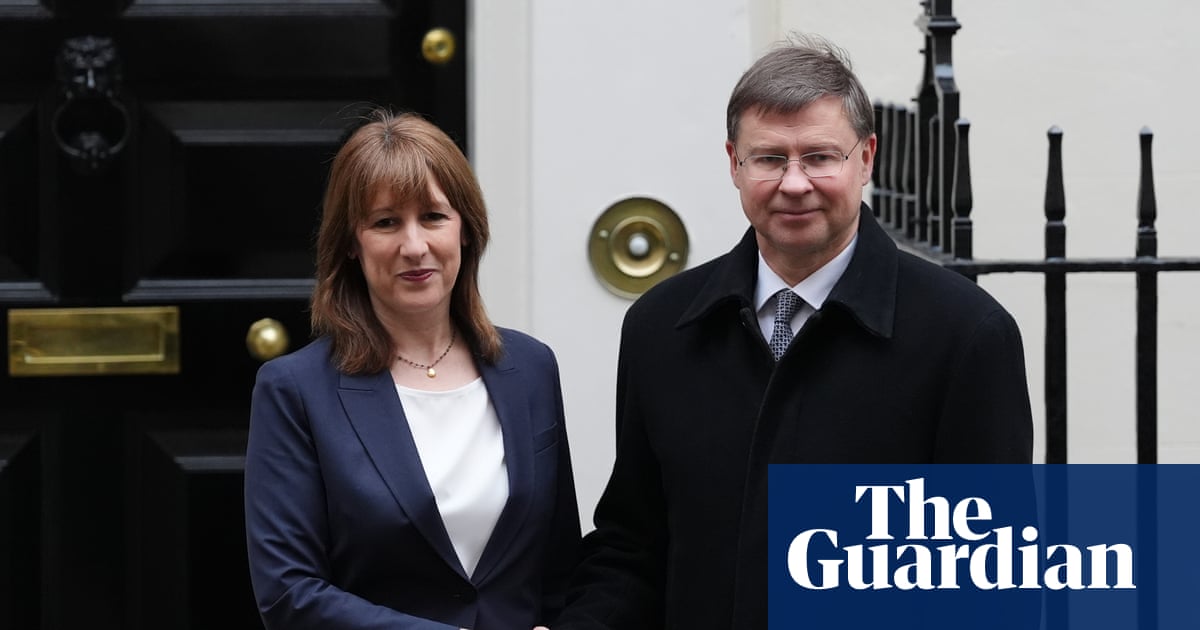
Rachel Reeves is expected to reveal in this week’s budget that the UK’s economic growth forecasts have been downgraded in each of the next five years despite her efforts to boost output.
The Office for Budget Responsibility (OBR) has reportedly downgraded its forecast for UK growth in each year to 2030-31 as part of a review undertaken before the budget that will argue a lack of investment under Tory administrations undermined the UK’s potential economic expansion.
The chancellor’s efforts to increase growth will be unable to offset annual downgrades by the OBR, Sky News reported, undermining Labour’s chances at the next election in 2029.
The Treasury refused to comment on the leak. A spokesperson said: “We know there is more to do. That’s why we are investing £120bn more than the previous government in national infrastructure, cutting red tape and unnecessary regulation for businesses, introducing a new planning bill and securing new trade deals across the globe.”
Reeves has already acknowledged publicly that growth forecasts will be hit due to the OBR’s revision of its assumptions about productivity, which measures the output of a worker for each hour.
It was understood that a downgrade was likely once it was agreed by senior executives at the independent forecaster – including its chair, Richard Hughes – that previous growth rates were overly optimistic. A downgrade could slice £10bn to £20bn from future tax receipts each year.
Reeves has battled to convince the OBR that measures in her first two budgets will turn the situation around and improve growth, allowing for more generous settlements closer to the election.
Treasury officials are likely to be concerned that the OBR believes the economic outlook continues to remain subdued despite extra investment.
In her search for extra taxes, Reeves could hit more than 100,000 high-value properties with a levy that applies to those worth more than £2m, raising £400m to £450m, the Times has reported.
after newsletter promotion
She is also expected to freeze income tax thresholds for an extra two years to 2030, which would pull more people into higher tax bands as wages rise.
Other tax-raising measures are expected to include a pay per mile scheme for electric cars, to start to fill the gap left by petrol duty as more people move to EVs, and measures to make salary sacrifice schemes less generous, including those for pension contributions.
The chancellor is also expected to lift the two-child limit for universal credit, and the government has already announced a freeze on rail fares and prescription fees in an attempt to ease the cost of living crisis.